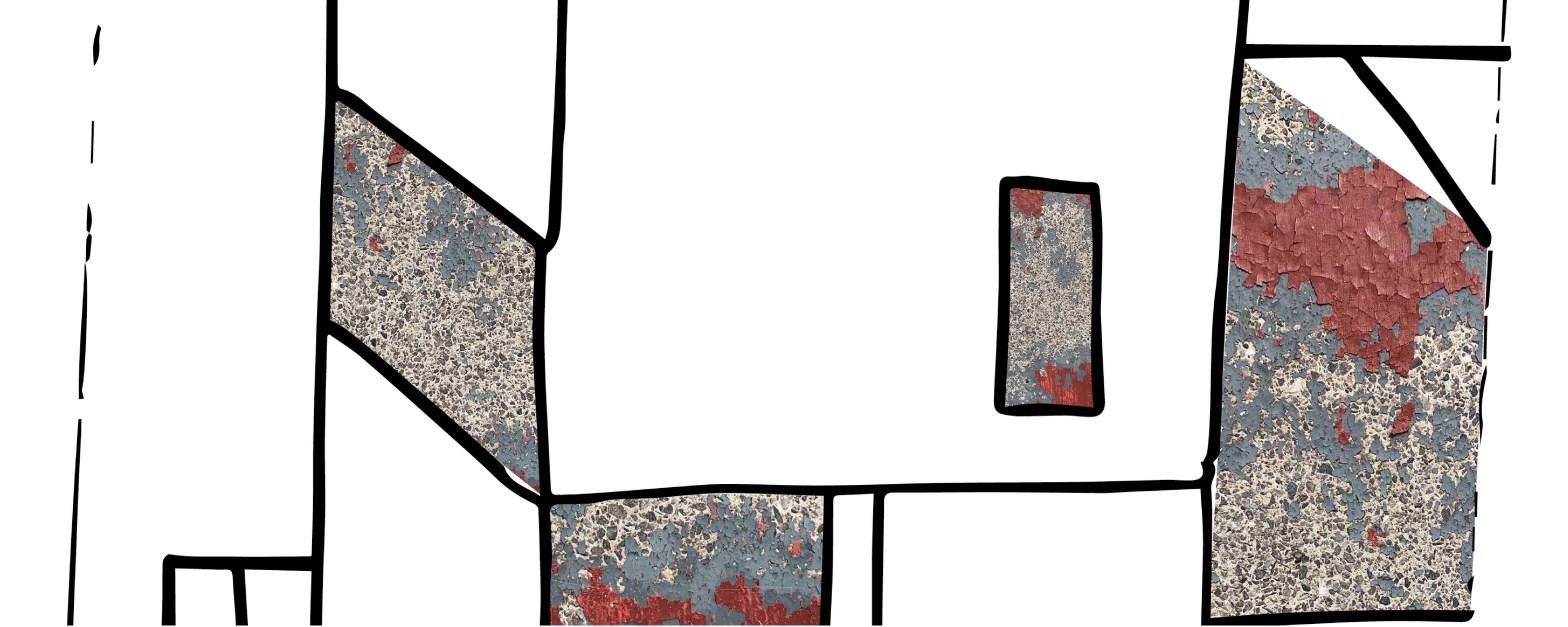
Lecture Comments
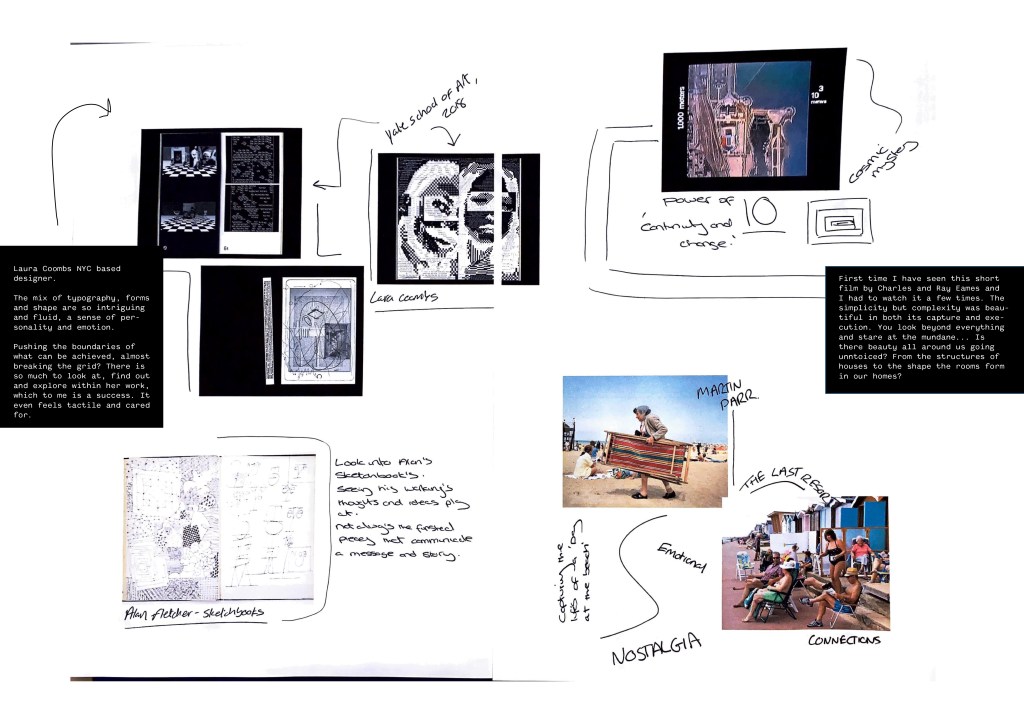
Capturing in time the practitioners inspiring me in this week’s lecture. From the emotional captures by Martin Parr to the simplicity and complexity of Charles & Ray Eames, Power of 10 short film.
We go about our daily lives and spend time exploring and research ideas, things to explore but why don’t we more often look around us, look outside? Has the digital age taken away our sense of investigation and exploration.
What I most enjoy about Martin Parr’s work ‘The Great British Seaside’ is the nostalgia, present and realness to the work. You can get to know the people in the photos, see British traits and see how people live, very personal. It makes you think about the photos you have taken which ‘capture’ a moment in time? There more than a photo there a segment of peoples lives.
“Drawing is a constant correcting of errors”
John Berger, Ways of Seeing
Design Development (weekly Challenge)
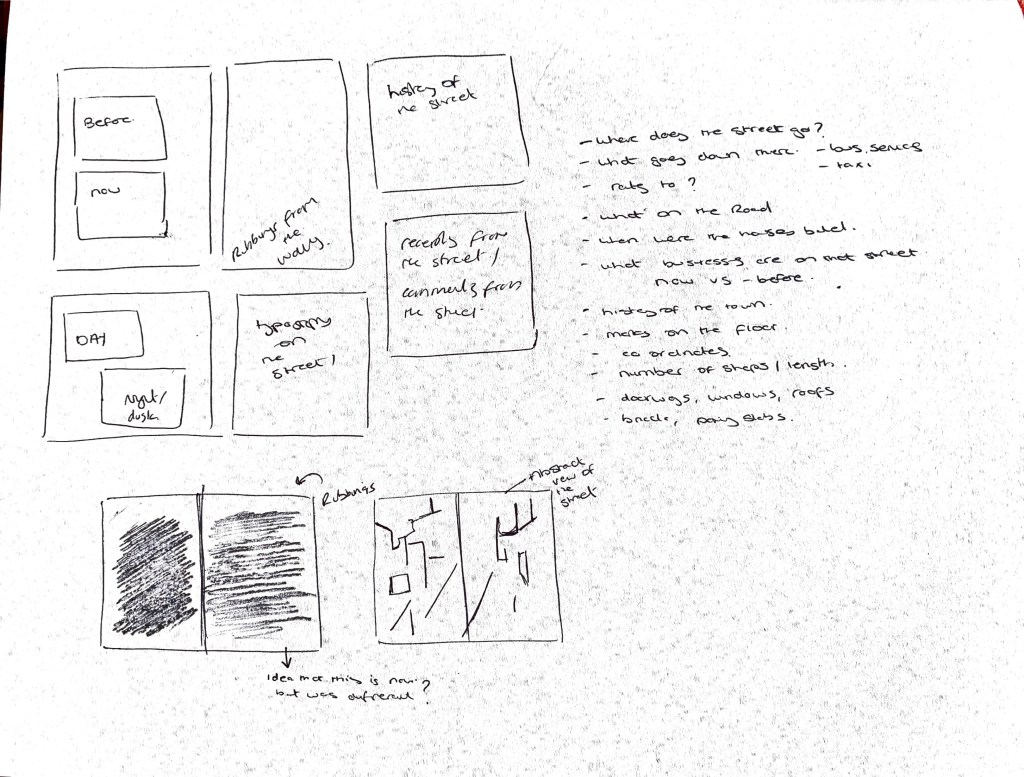
Where does the street go?
What travels down the street (bus services)
What’s on the road (which shops, businesses)
What makes up the road?
Doorways, windows, structures, rooftops, bricks
What textures can I identify on the street? (take rubbings)
What typographical elements can be discovered
History of the street?
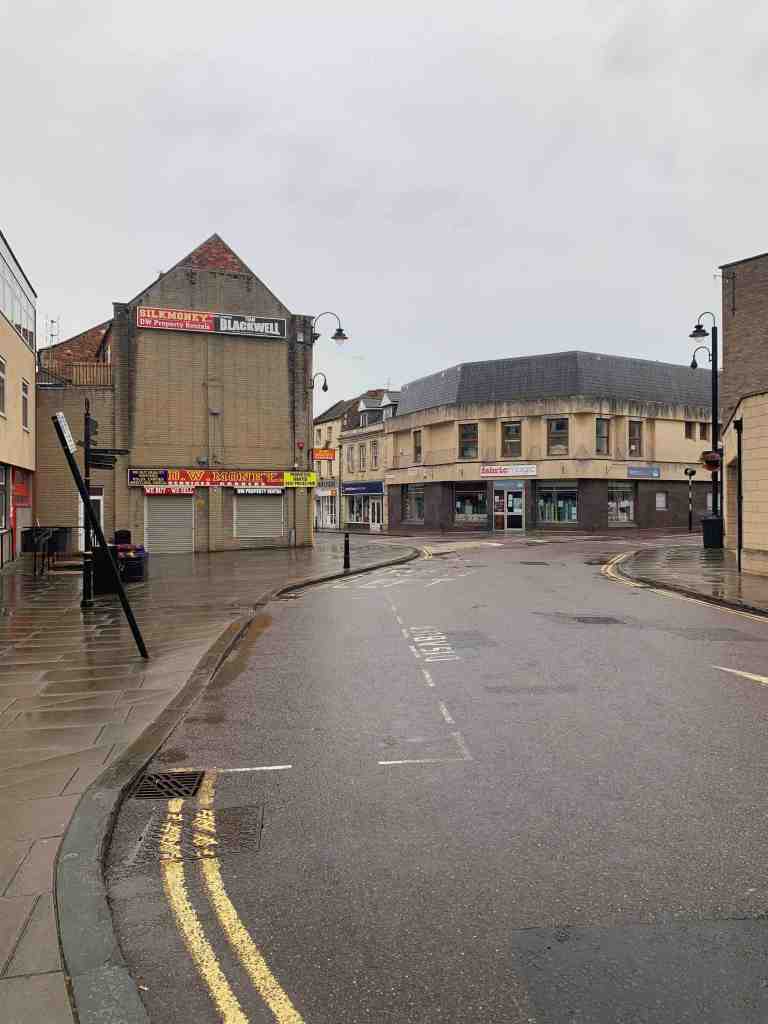
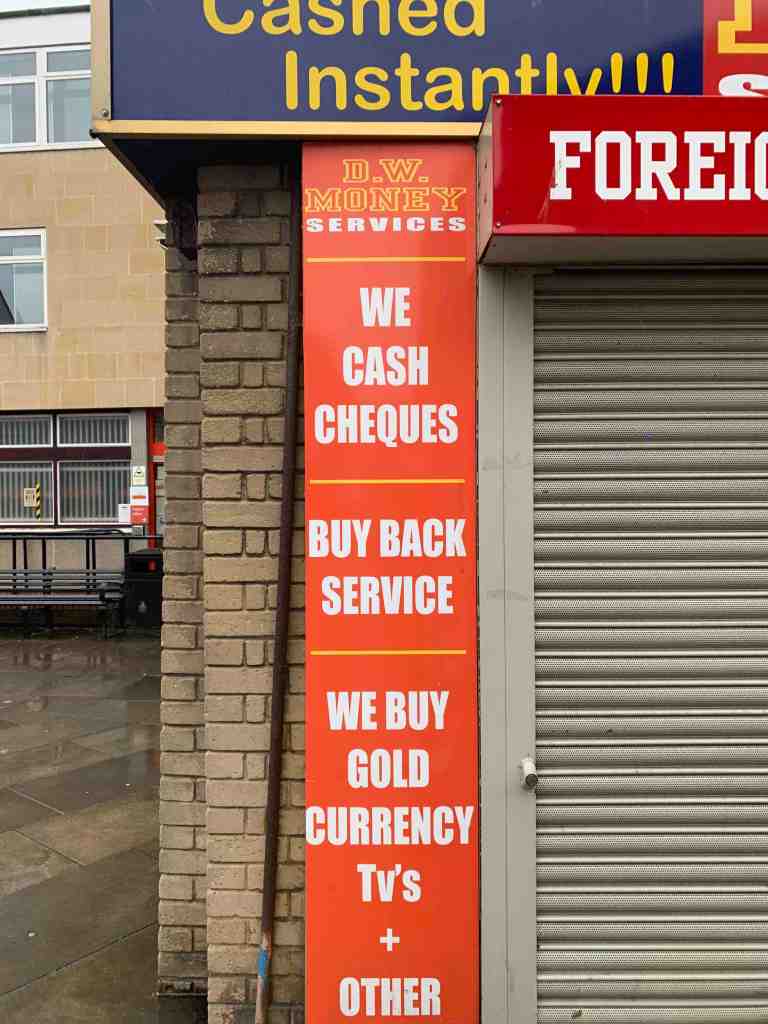
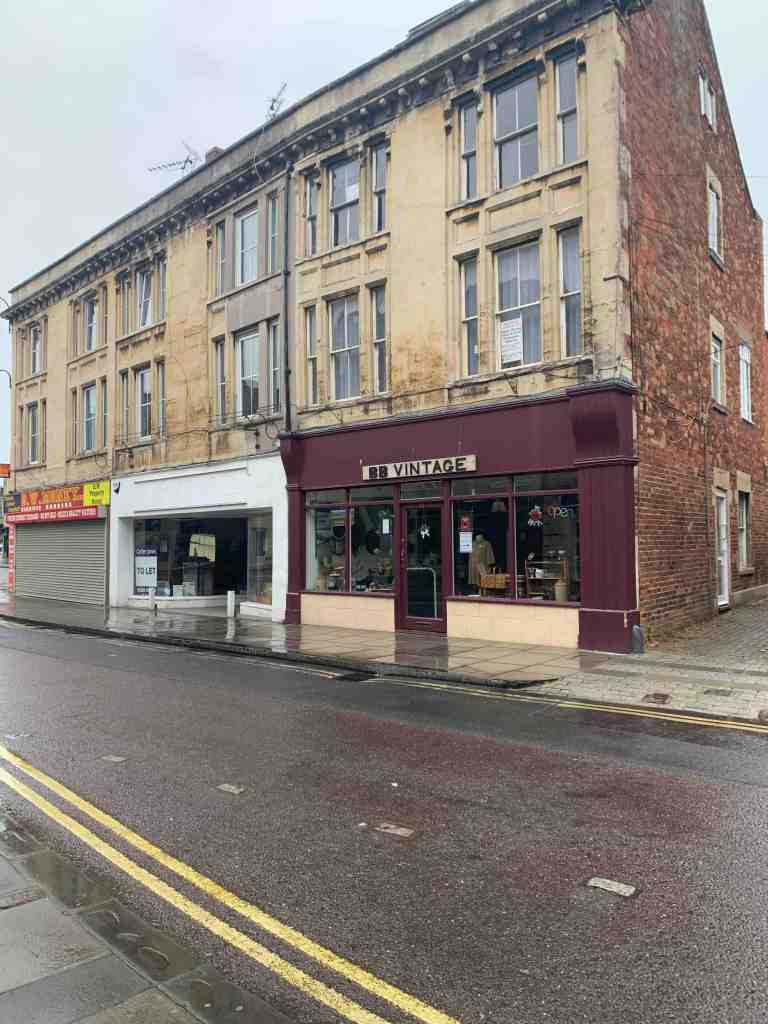
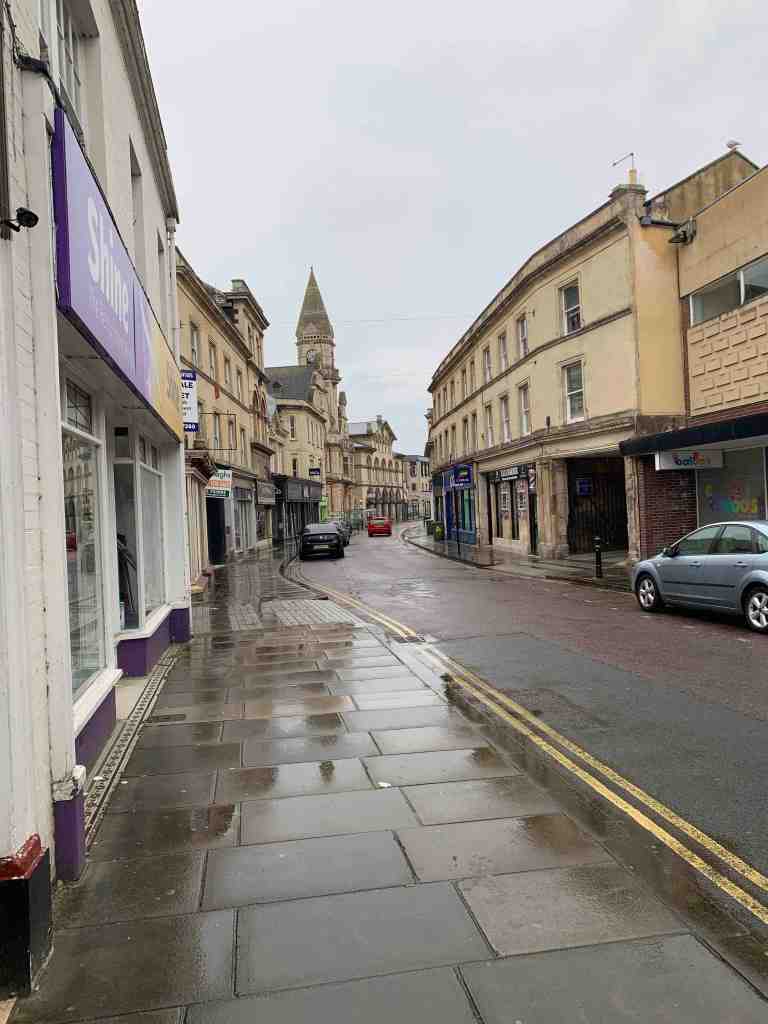
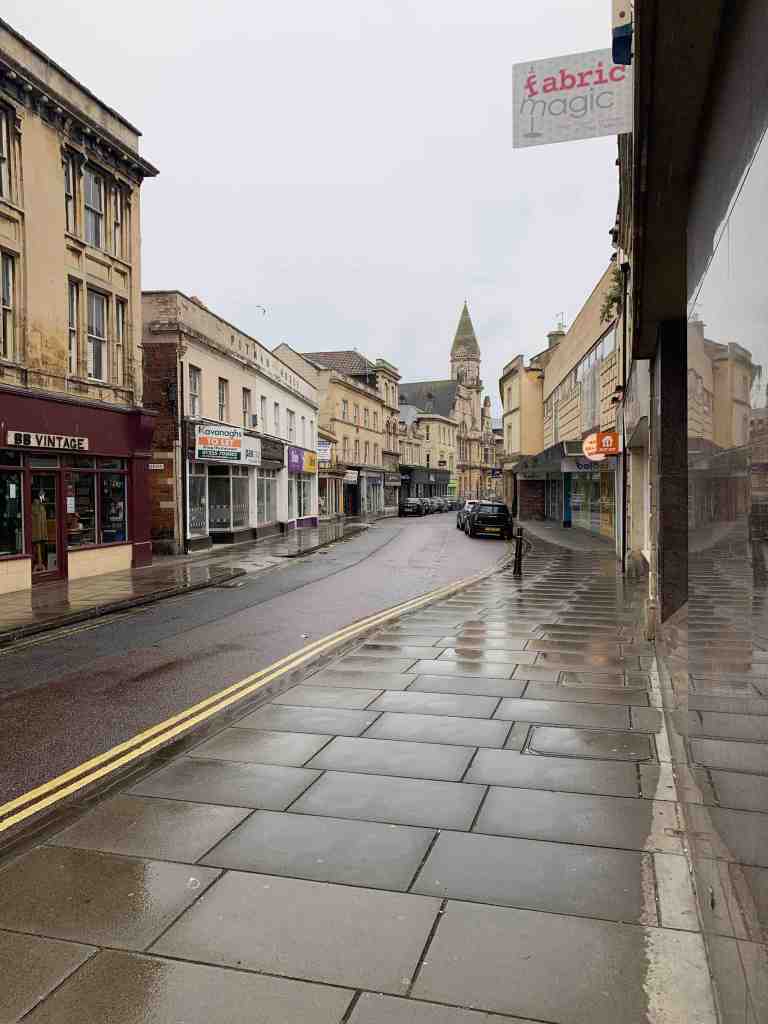
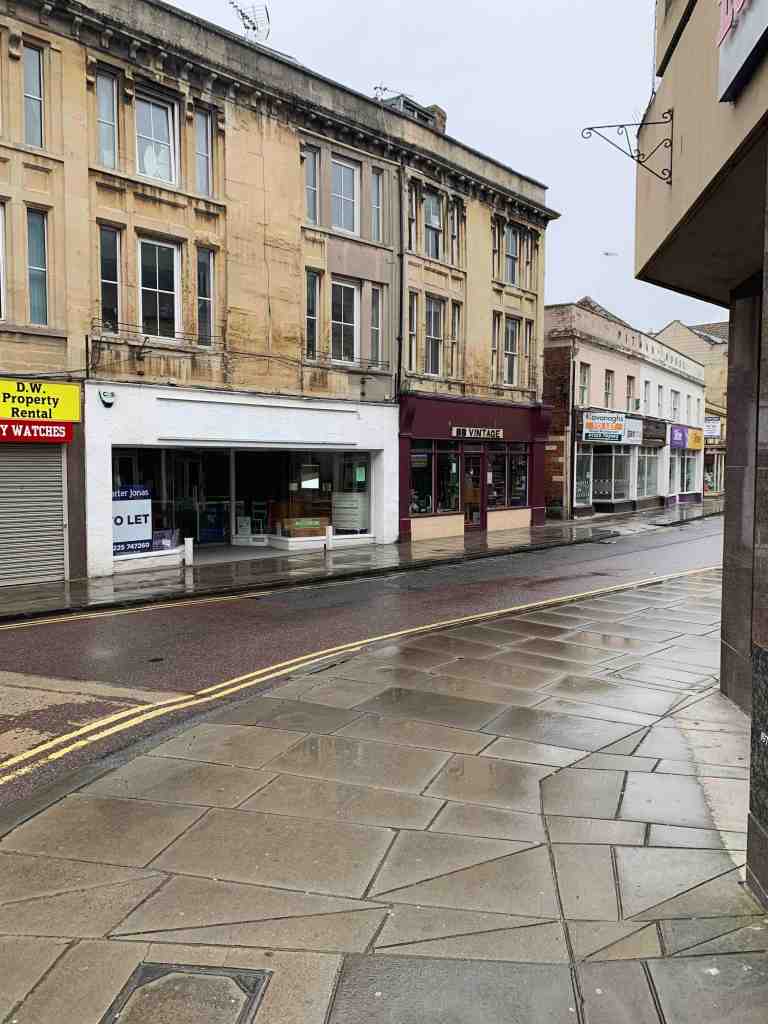
Exploring Silver Street on Monday evening in the rain. The reason I decided this street was It’s the main route into the centre for me, with traffic, transport and people using this as a main route through the centre from outside roads. The road that runs to the ‘heart’ of the town.
After taking the photos and retuning home and looking back at the photos, Silver Street looked different, it felt lifeless? It felt as if i had seen it in a different perspective? There is many negative views around Trowbridge, with it always being compared to upcoming, affluent Frome. Many shops are empty as the town struggles to draw in resident to take up shops on the streets flowing out from the main ‘high street’
– Georgian bath stone vs empty shops
– Once a thriving mill town vs a town now struggling
– Character beauty vs ugly shop fronts
I want to go back and take further photos in a different light of day to see how I see the street then. I also want to explore the typography, texture and signage on the street? Does this give off a different outlook on the street.

Question asked on the ideas wall:
Since starting this discovery of my chosen street this week it’s opened up how I see and look ‘in person’ to how I see through the camera? I walk down my chosen street, Silver Street most days if not every week at some point, yesterday I went out and photographed it in the rain at around 6PM. I came back home and looked over the images, It opened up so many questions and I viewed the street in a whole different light? It looked sad, tired and run down, it lacked community, activity and presence. before I would just walk down and ignore everything going on.
In your investigations this week have you explored your area and taken a different look / stance on the street/ area?

Response:
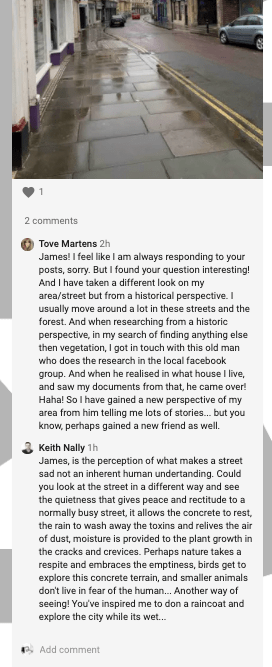
Keith has sparked a few questions and thoughts on how I should potentially look at the street. Not from my emotional side as a human but how is the street almost feeling?
Once the evening draws in the pavements rest and let out a sigh of relief, the buildings close up and go to sleep, the weather settles with no disruption, the air becomes clean, the animals can take over? Keith has made me see the street in another light, I also want to explore what Keith says about ‘explore this concrete terrain’ – what’s the texture of it, where was it made, what’s it made from, who stand on it, what’s its purpose, where does it start, where does it stop? What patterns are on there.
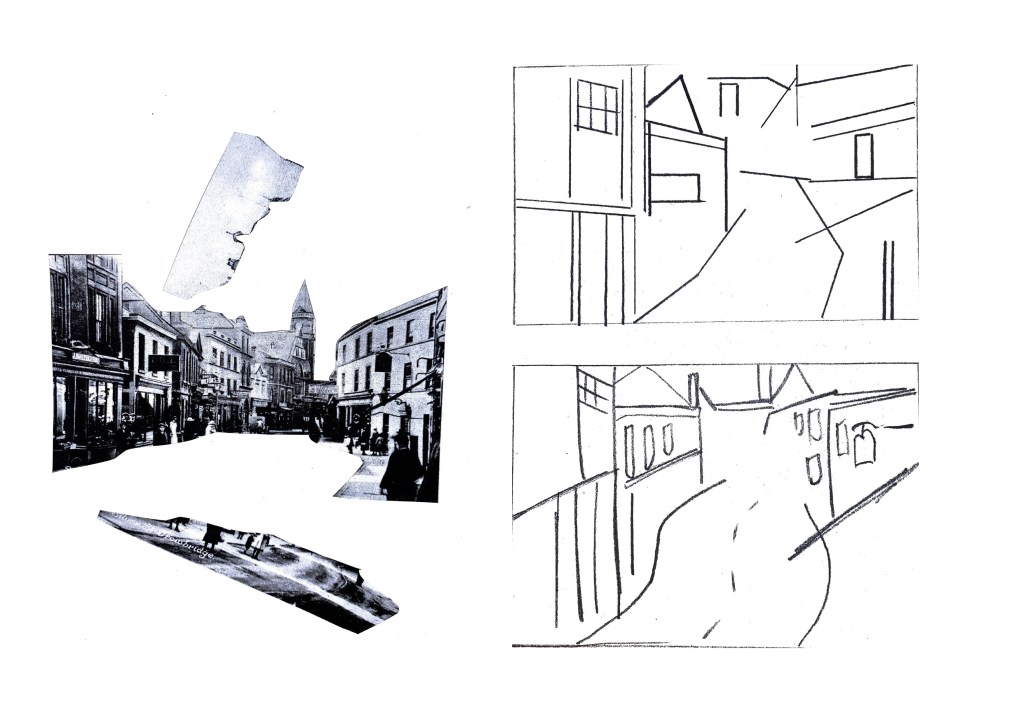
Historical images of silver street leading to market street. I see these to have more life? more intrigue and more life? Did the closure of the mills in Trowbridge have an effect on how the town developed?
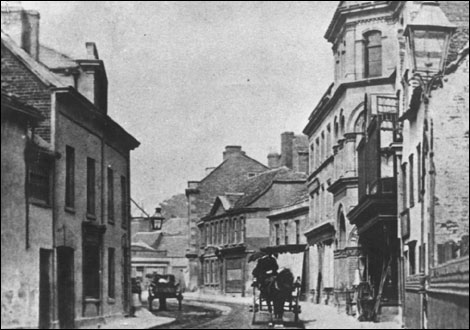
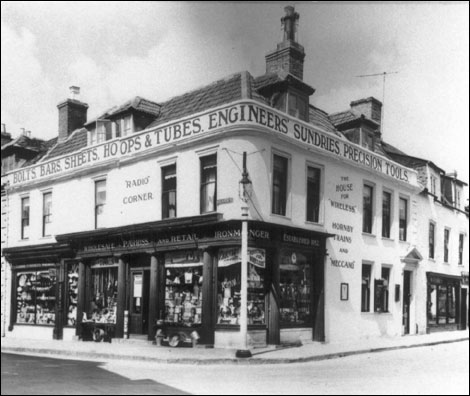
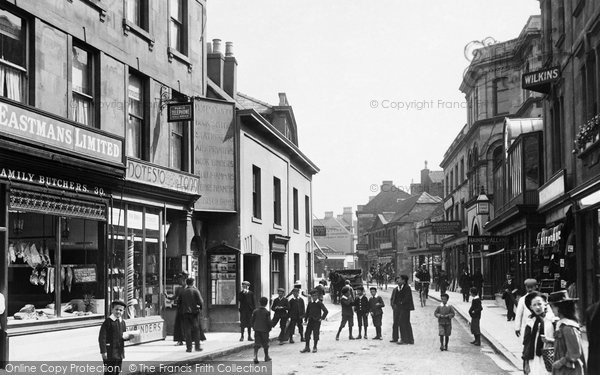
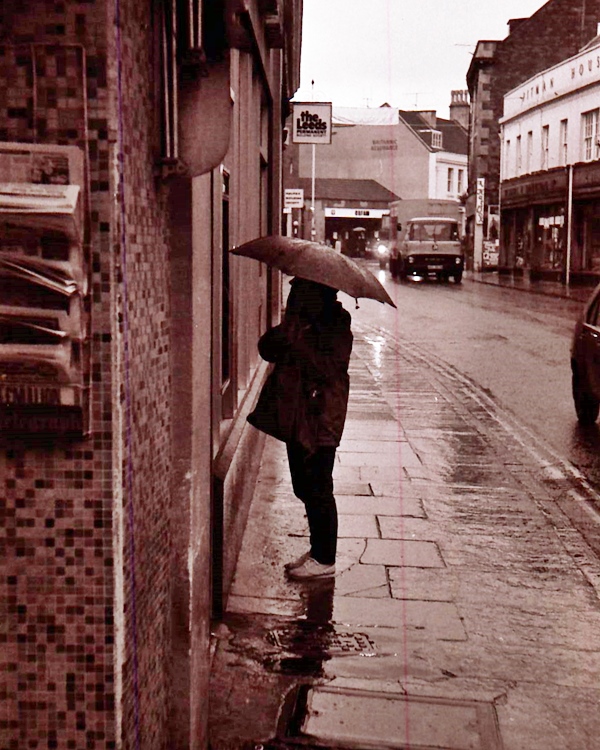
Photo Credit – Mike Lloyd 
Photo Credit – Mike Lloyd 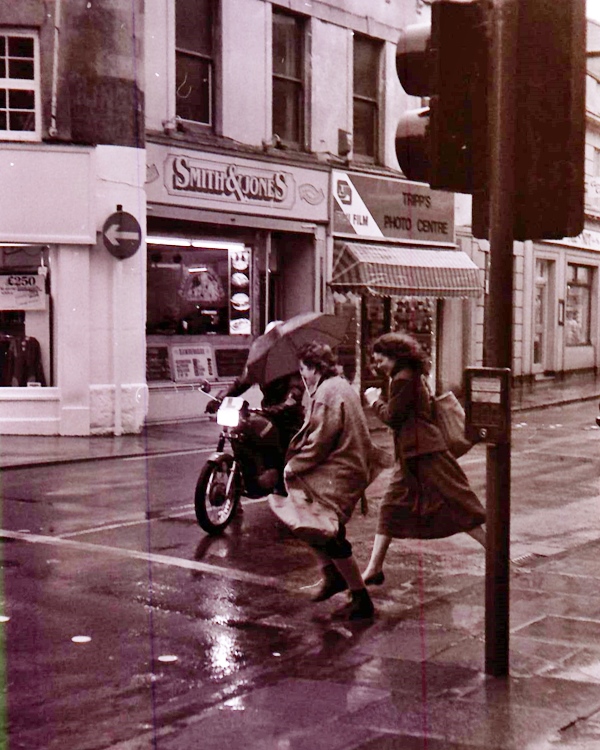
Photo Credit – Mike Lloyd 
Photo Credit – Mike Lloyd 
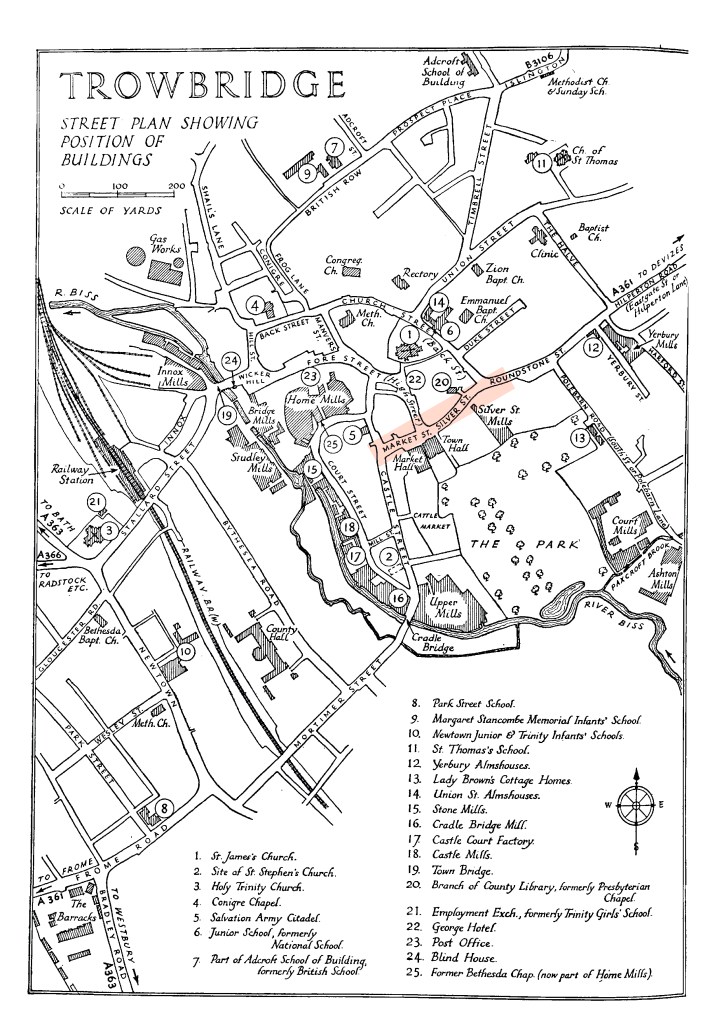
Orange Zone – Highlighted area of investigation (Historic Map)
Below work:
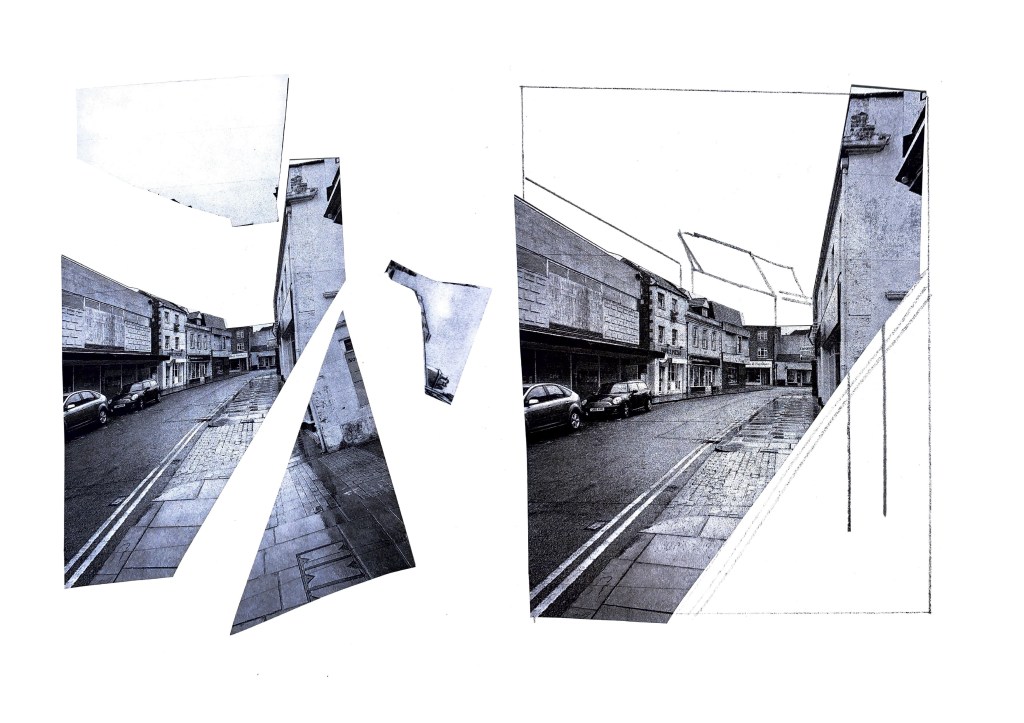
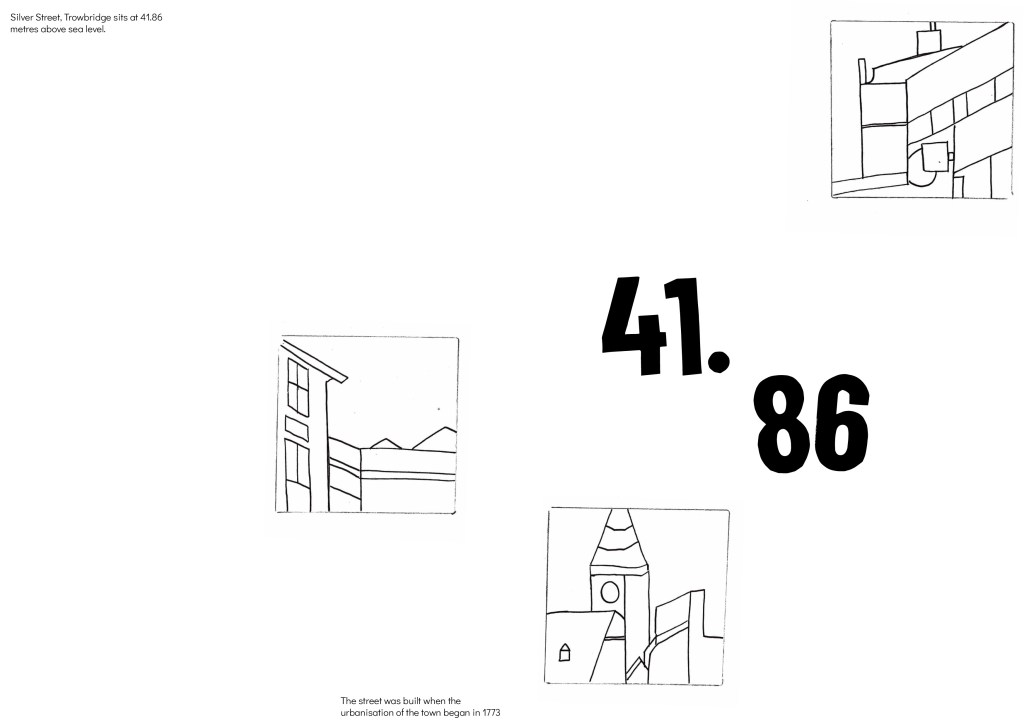
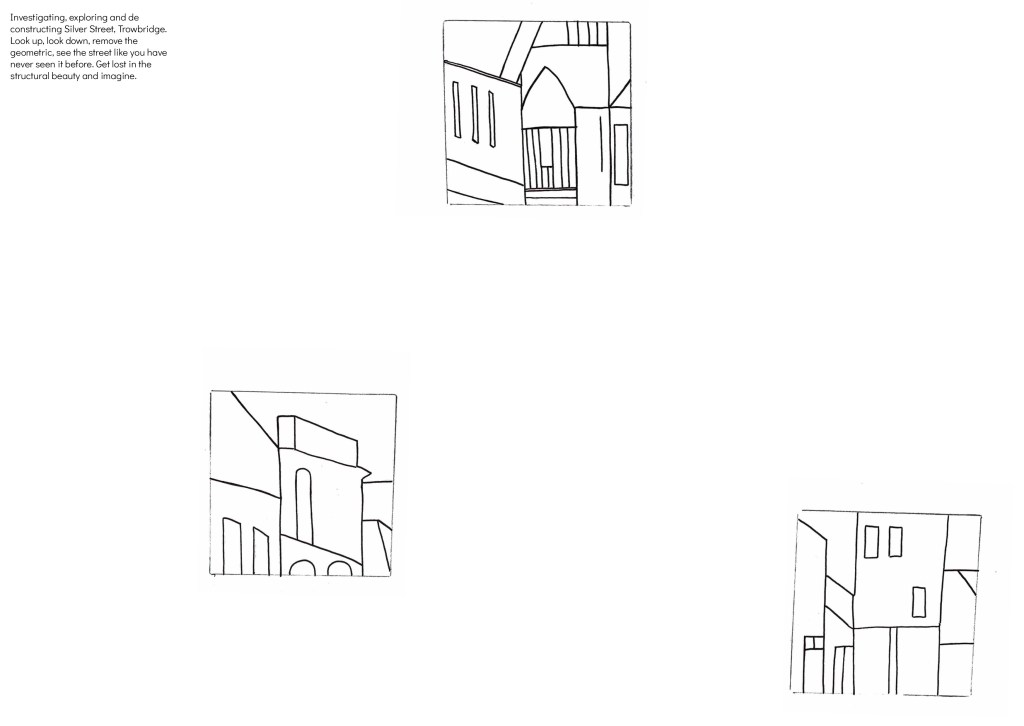
Exploring the structural elements of Silver Street, deconstructing them with simple quick lines, quickly observing like I would be walking down the street. using both up to date and historical imagery for observation. Importantly observing from photo not real life. Would drawing look differently if in person. Cutting up the photo in prominent areas of solid shape or structure.
Following on from the line drawings I now want to explore further the hidden elements which go unnoticed within the street. I want to document the stonework, rubbings of surfaces, typographic present, shapes and build up a library of ‘things’ which show the hidden elements of the street. The public walks on the surfaces, transport goes over it, air pollution attacks the surfaces, weather erodes.
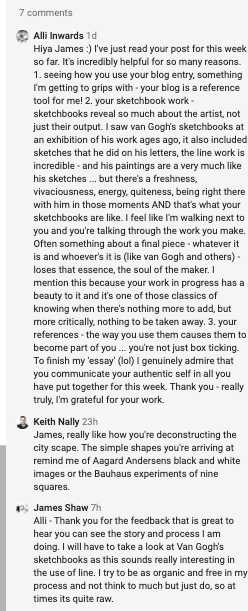
Feedback from Ideas Wall on above process:

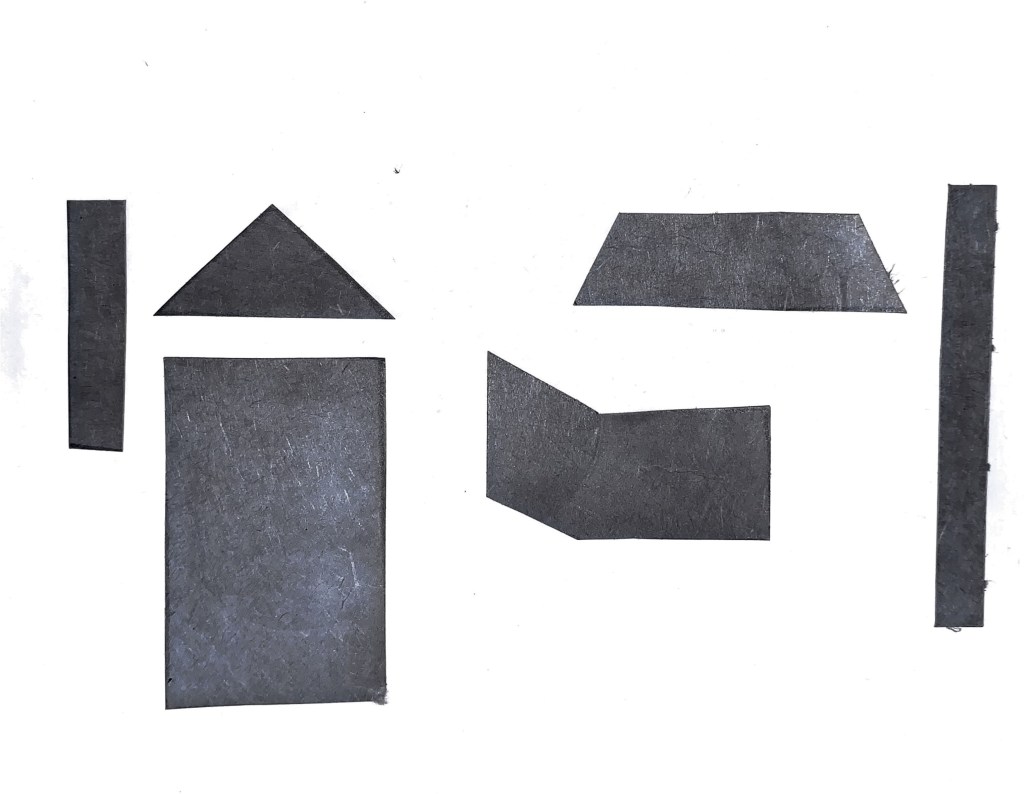
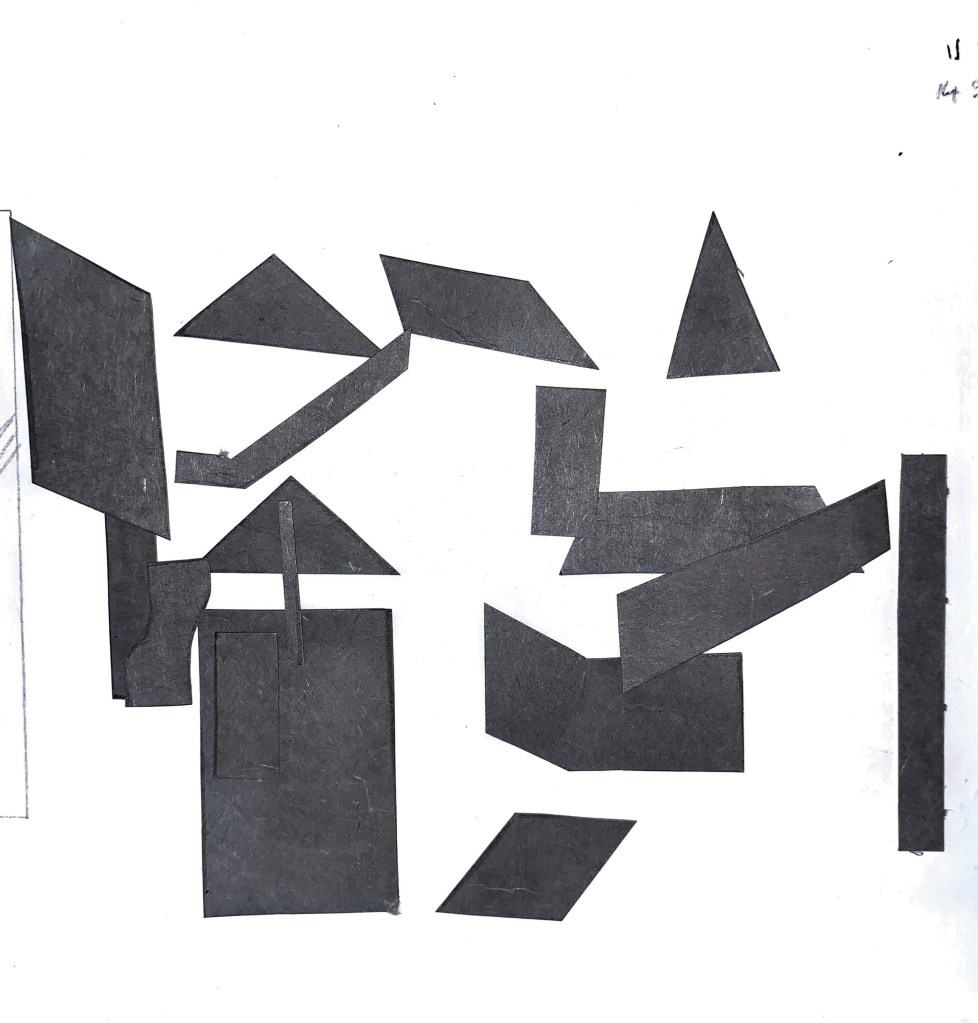


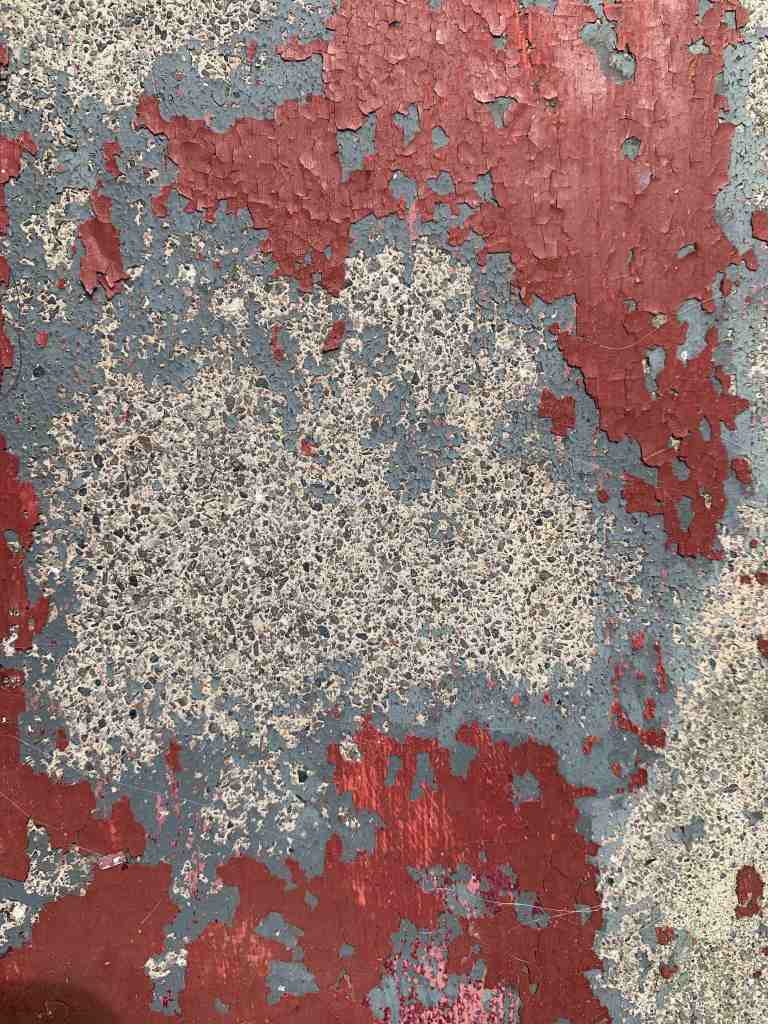
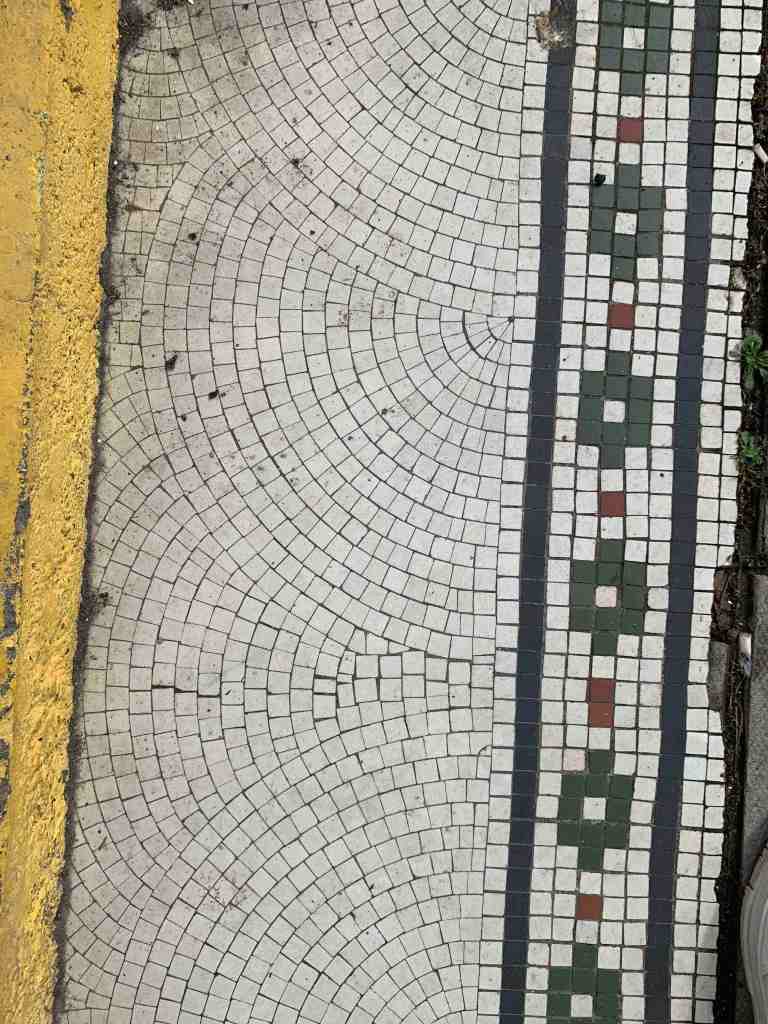
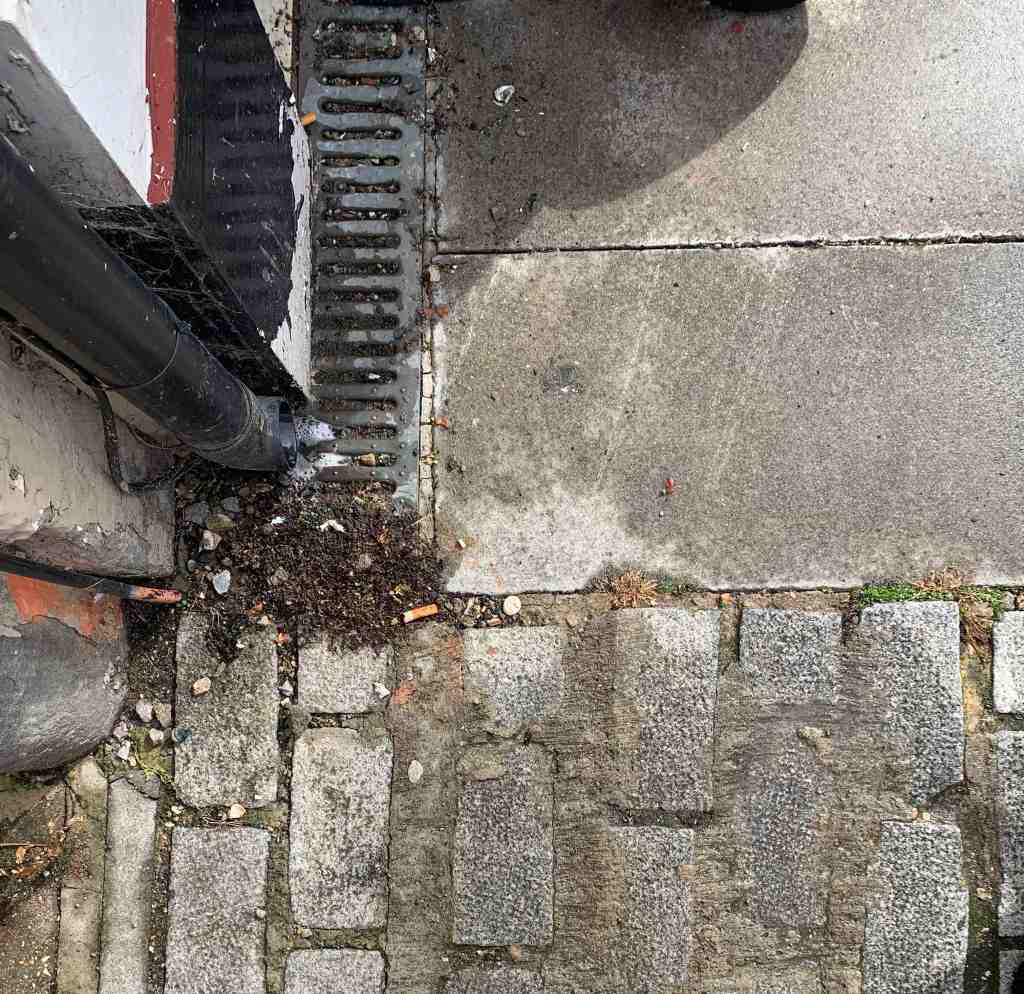
Following on from these observations and deconstructions I went back to the street at an earlier time to capture the texture of the street. Exploring the walls, pavements and shop fronts. Results Below
These closer up observations revealed a different street? A more alive street, a more playful and tactile street. Bursts of colour and texture showing the once vibrant street which was bustling with people.
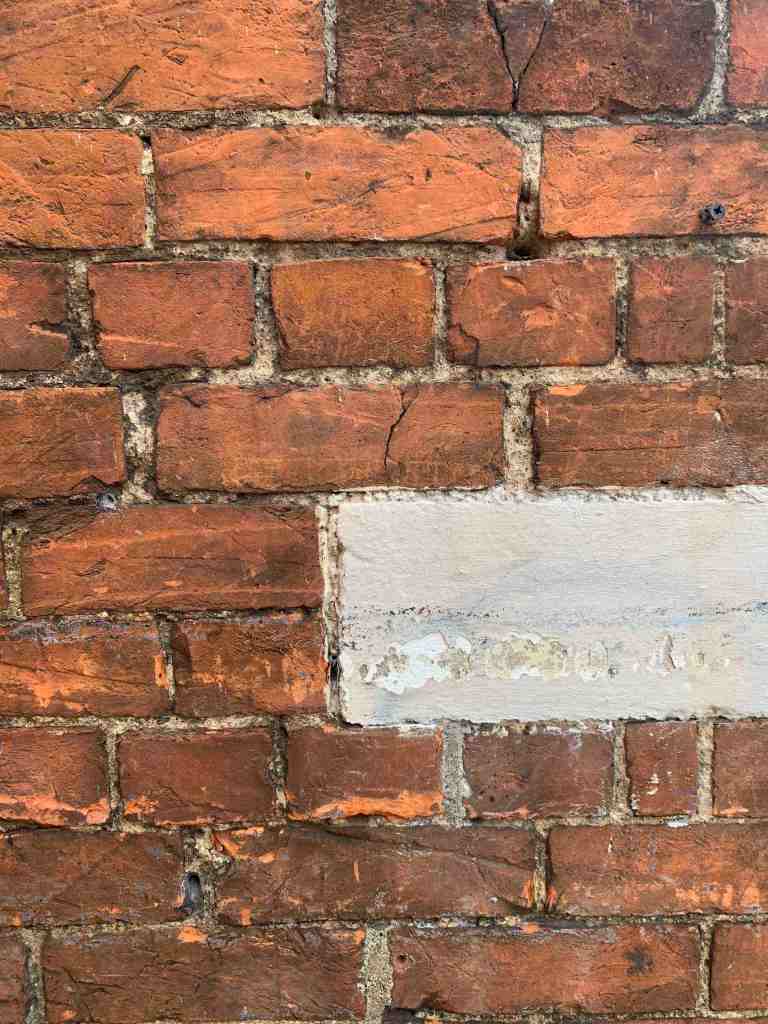
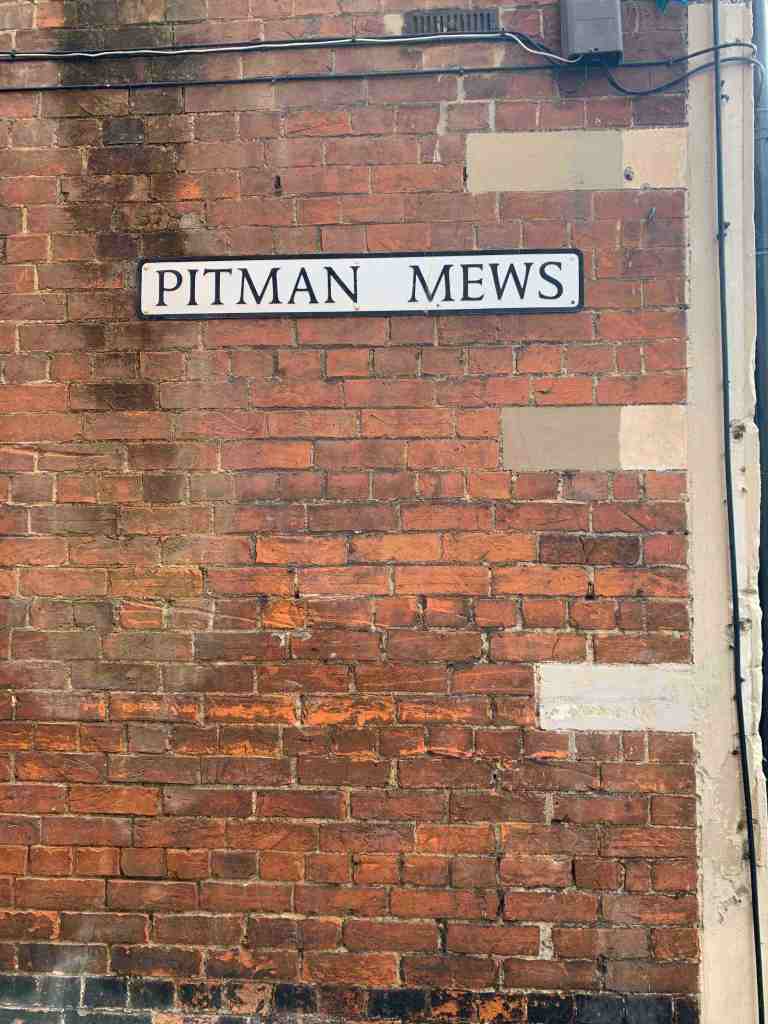
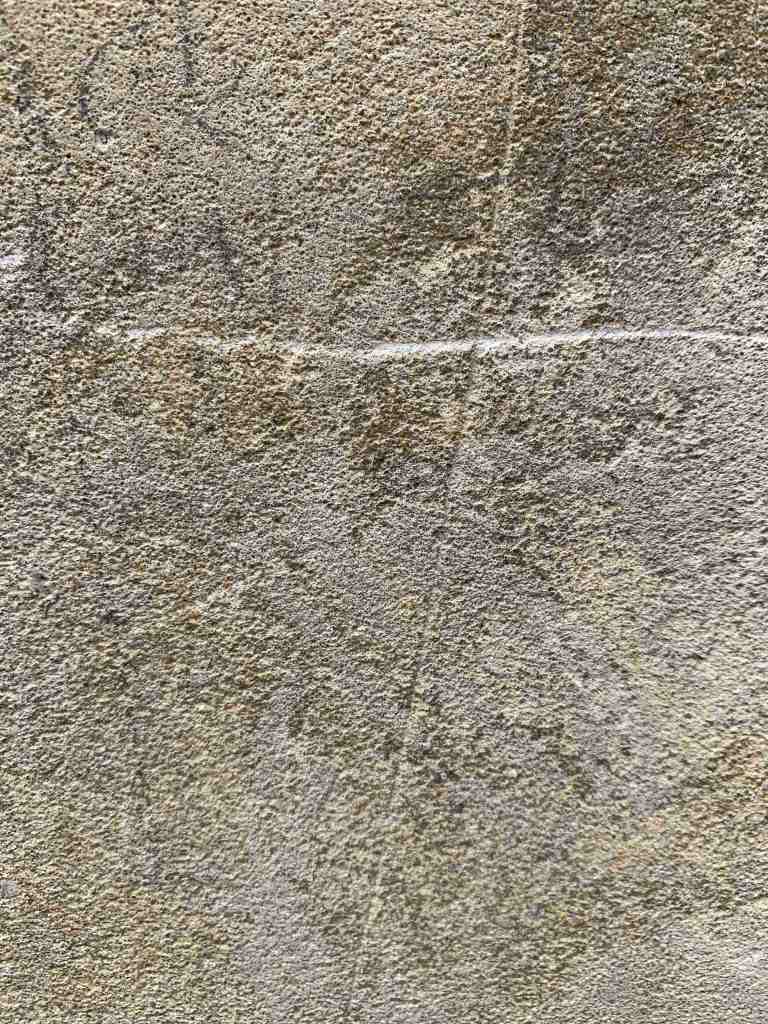
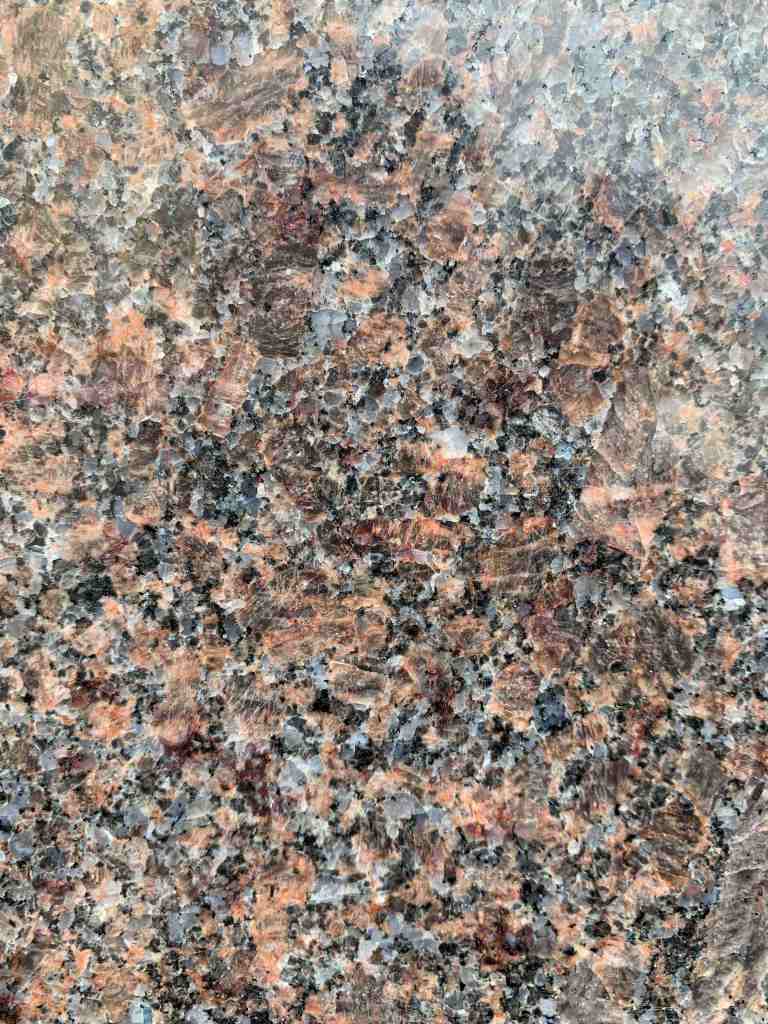
I had a great conversation with a shop owners son who told me about the shop his parents once occupied on 11 Silver Street from 1948 -1956. The shop was called Boulters and was a greengrocers, florist so they made wedding flowers and wreaths for funerals. In addition they sold seeds and horticultural sundries (including packing their own seeds), bedding plants in season and pet foods and sundries.
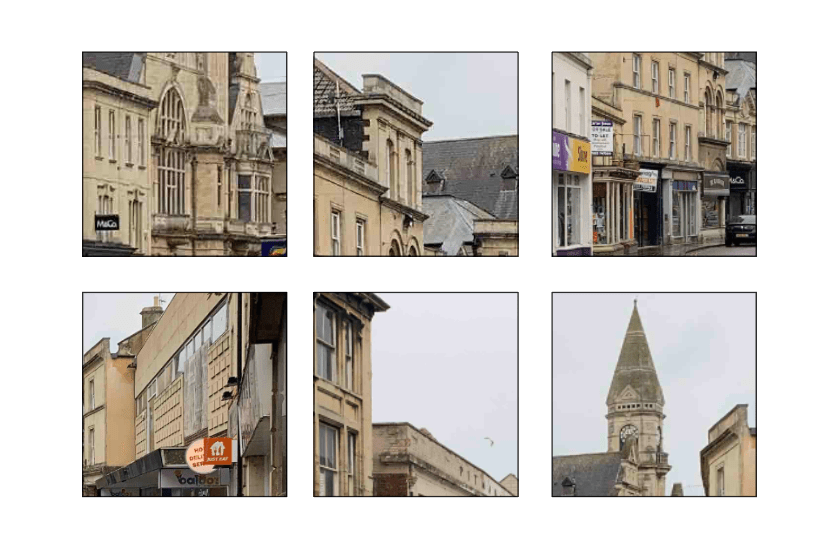
Observational drawings – segments of the street.
Cropping and angle of the street down into 6 sqaures and quickly drawing the shapes and forms seen from my eye. What I find interesting is how this could be done by many people and the outcomes would be different. It leaves me asking would they be influenced by the surroundings? the weather? how they feel that day?

Research
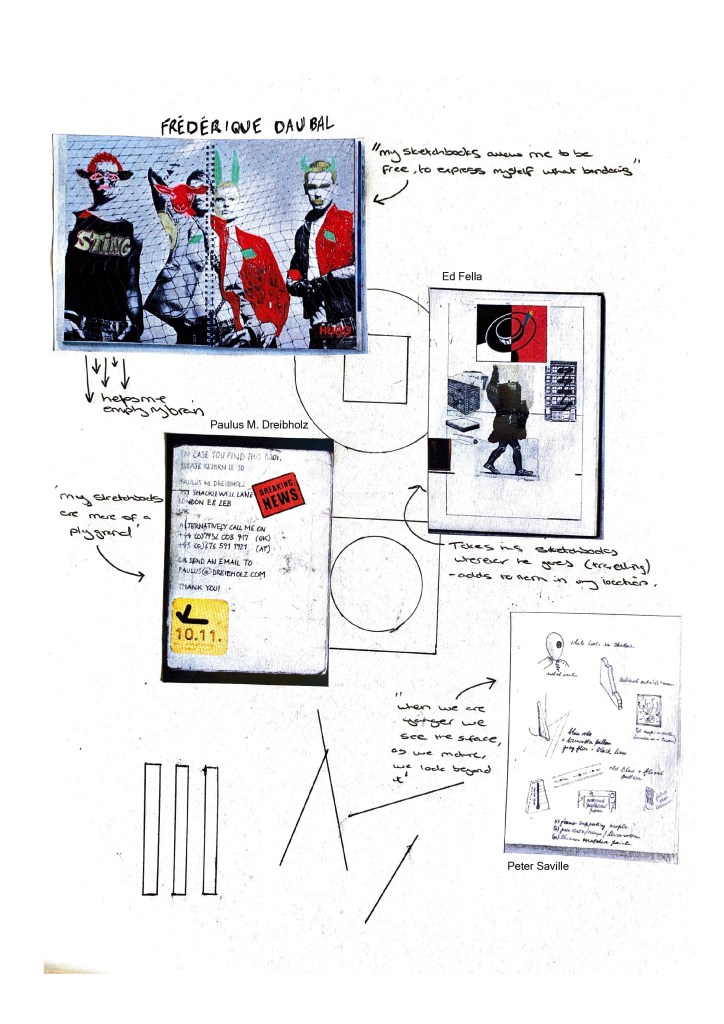
Sketchbooks – The Hidden art of designers. (Below)
As designers we show the polished piece we have been working on with a client, the result, the implementation but what goes on through our thoughts individually. Since researching into Frederique Daubal, Ed Fella, Paulus M. Dreibholz and Peter Saville it’s started a fire to document more of my daily processes, thoughts, ideas and sketches. Technology and social media takes over this nowadays and we are less focussed on working in analogue. I make lists everyday, use post it notes, sketch out things and if I look at these they give you an insight into how I think, my creative process and me as a person. I particularly found Ed Fella talking of taking his sketchbooks everywhere he travels so interesting, he is instantly informed by his location, the people, the materials around him? That is rich content and when recorded documenting a part of his story?
Chris Ashworth for Penguin Books
‘Swiss Grit’ the term which Chris describes his style as. Inspired by Swiss Aesthetics. Found materials ( plane tickets, receipts) are used alongside typography to create these compositions which feature within the book. Some of the materials have been collected from the writers within the book while they were travelling, how about that for collaboration? Real content which was part of the journey of the writers stories? Overlooked and to people just rubbish has been turned into intrigued. designs which are raw and true to the stories.
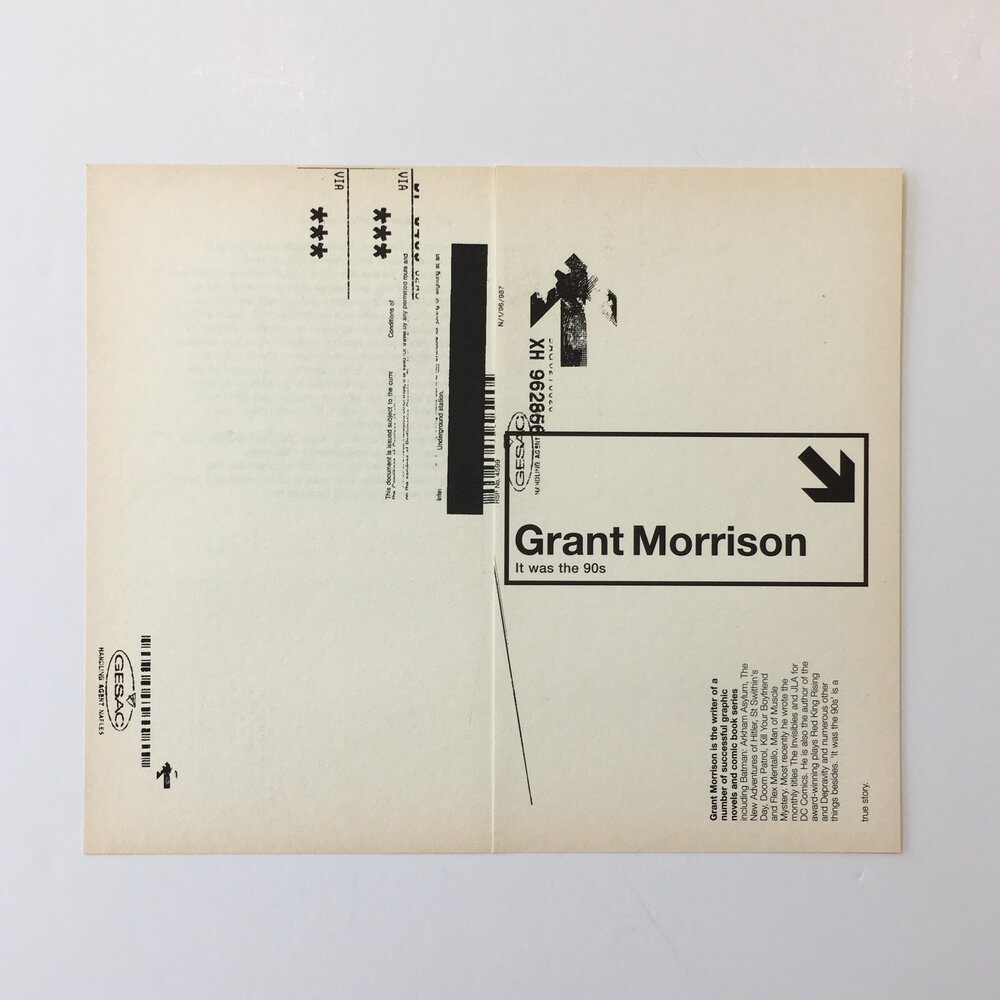

Photos sourced from Chris Ashworth’s Site – https://ashworth.work/#/skyline/
My response to Chris Ashworth below. I wanted to explore the typography and ephemera I had collected on a few trips to Las Vegas over the past couple of years. Vegas is known for it’s bright lights, chaos and 24/7 movement, however allot of the pieces I collected where black and white with minimal colour visible, interesting contrast to the life and movement of the city. The typography elements evident though where at times over the top, in your face with money and food being highlighted the most.


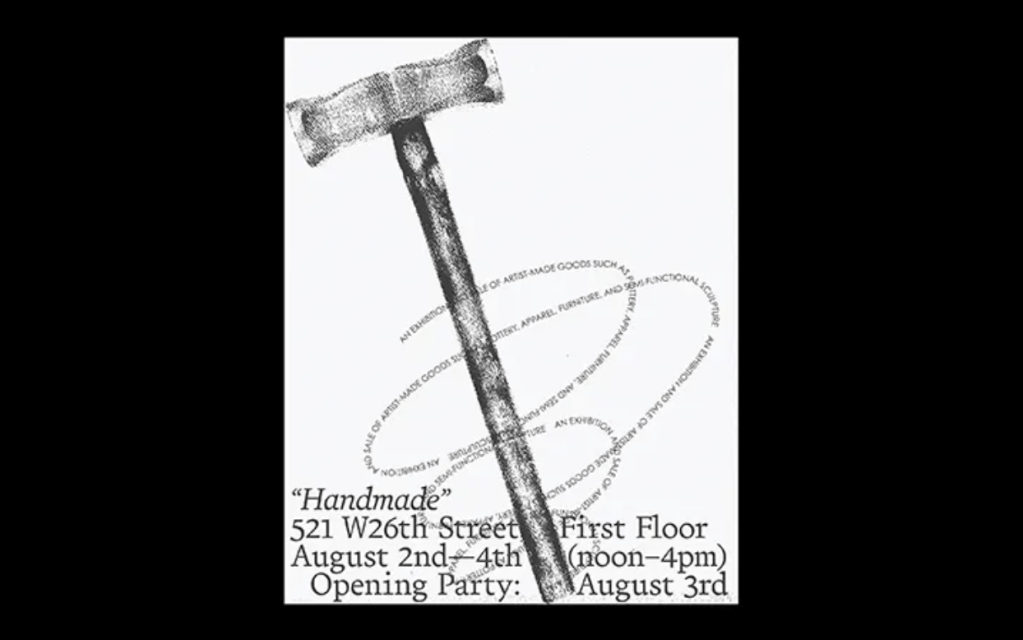
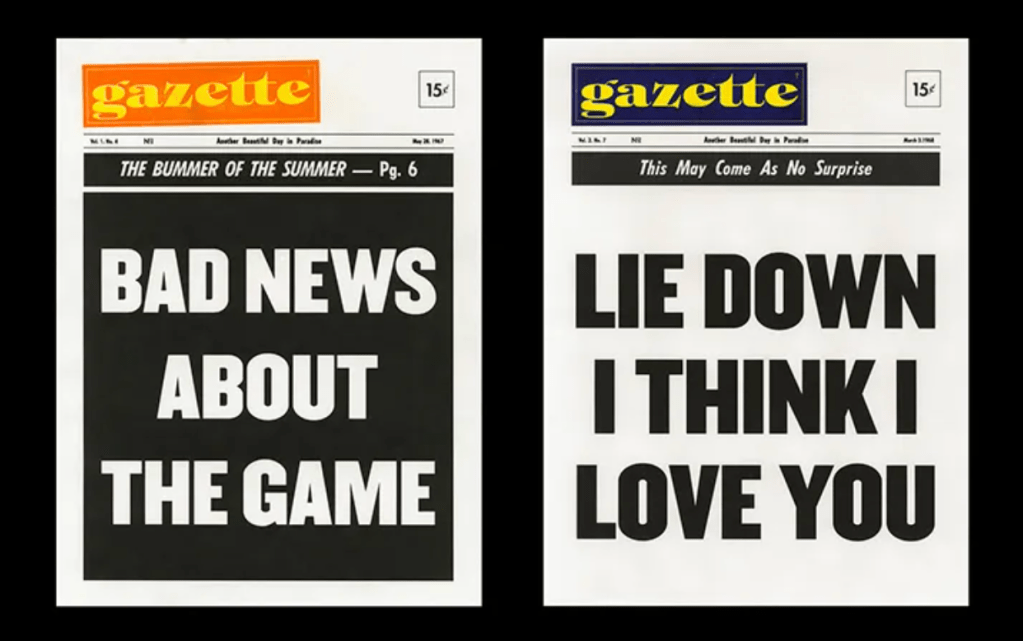
Niccolo, Senior Designer at Document Journal explores the beauty of found objects.
“I collect found photos, postcards, random scraps and tickets for fare evasion on the subway, I’ll scavenge through public domain collections, old works, sharpie notes from my mom – and I scan it all”
Instant connection with the way Niccolo collects, records and responds with found objects from postcards to random scraps. I myself enjoy finding what I call ‘stuff’ interesting pieces of typography, leaflets, folded paper, newspapers etc, they all have a story behind them? But for most people there just another part of the turning world. There is beauty within the ‘stuff’.
Niccolo ‘music’ work is of particular interest mixing photography, found and typography together to create expressive but delicate work. Not only from Niccolo but from others alike I want to start exploring what can be created from the ‘stuff’ go deeper into the stories?
John Berger – Ways of seeing – episode 1
“It takes its visible world with it as it walks”
John Berger
Since the introduction of the camera ‘items’ are seen in so many different ways in many different locations around the world. Before this you would have to physically go to a place and use your eyes to see the object, piece of art. Does this make everything around us less noticeable because we are consumed and bombarded with information all the time digitally?
“Everything around the object has an impact on it”
I have a fascination knowing that areas haven’t been discovered yet with just the naked eye.
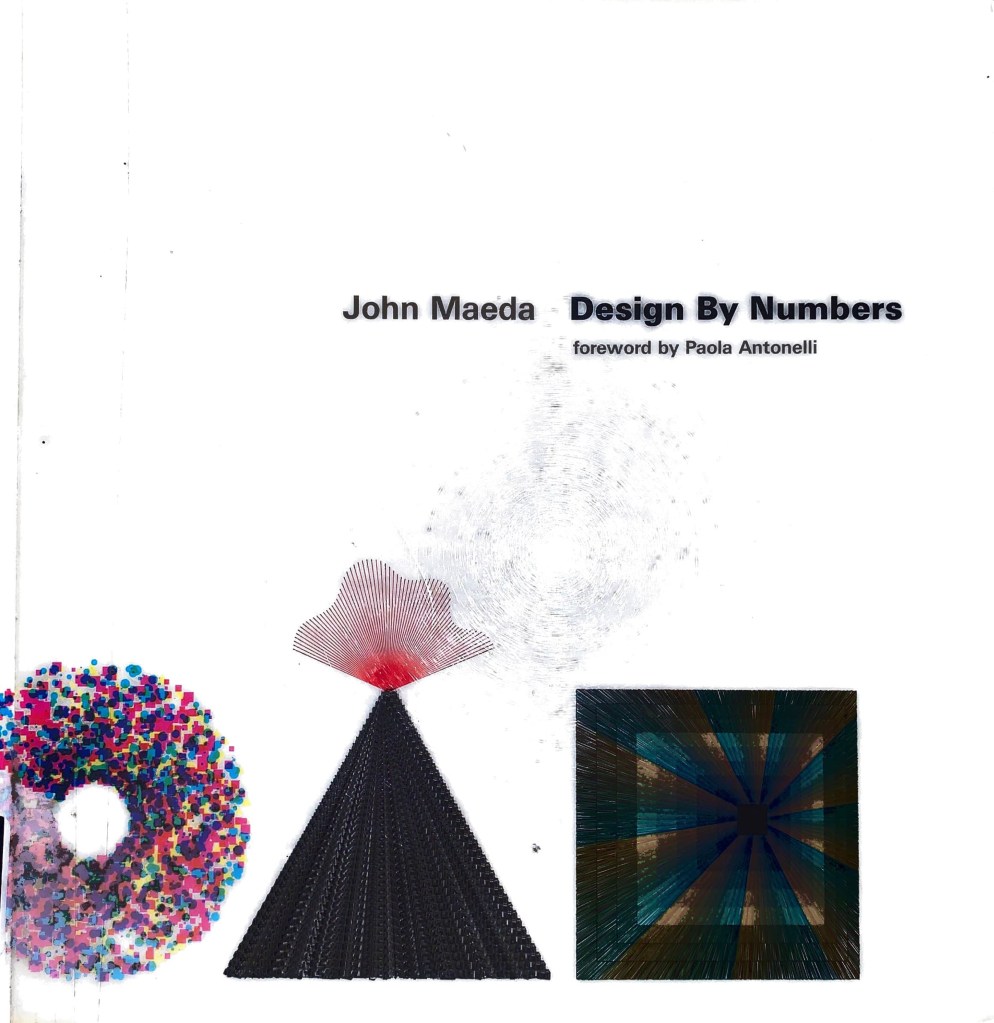
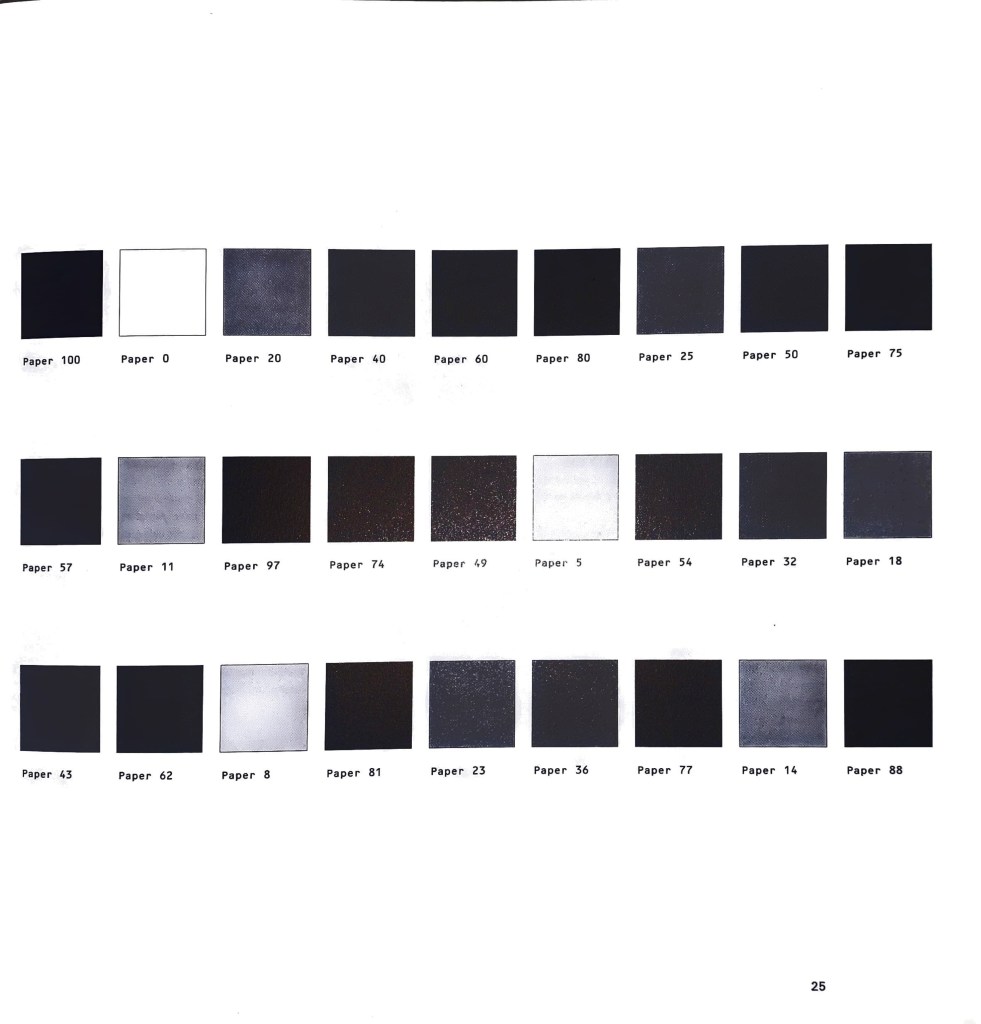
John Maeda – Design By Numbers
David Blamey
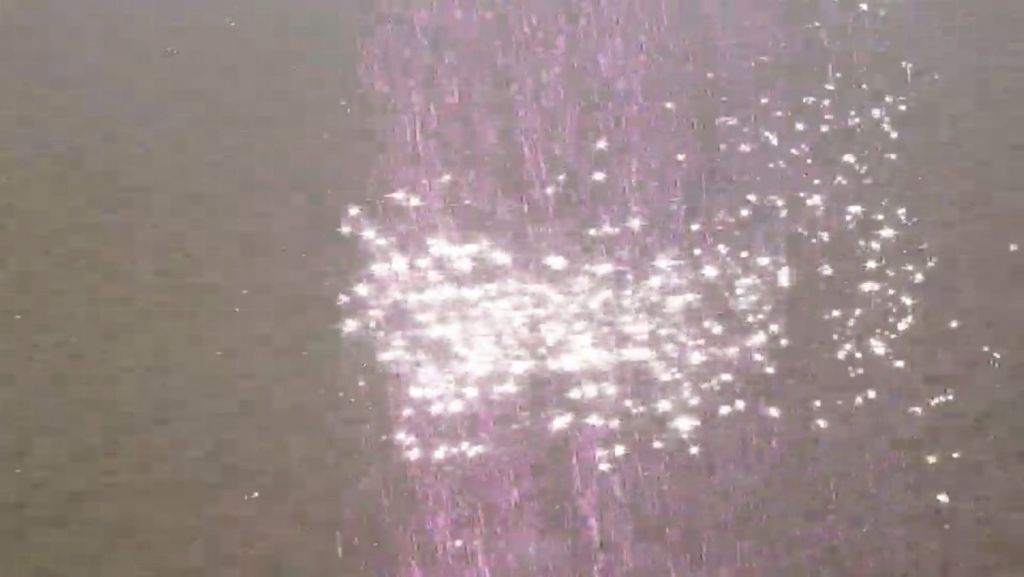
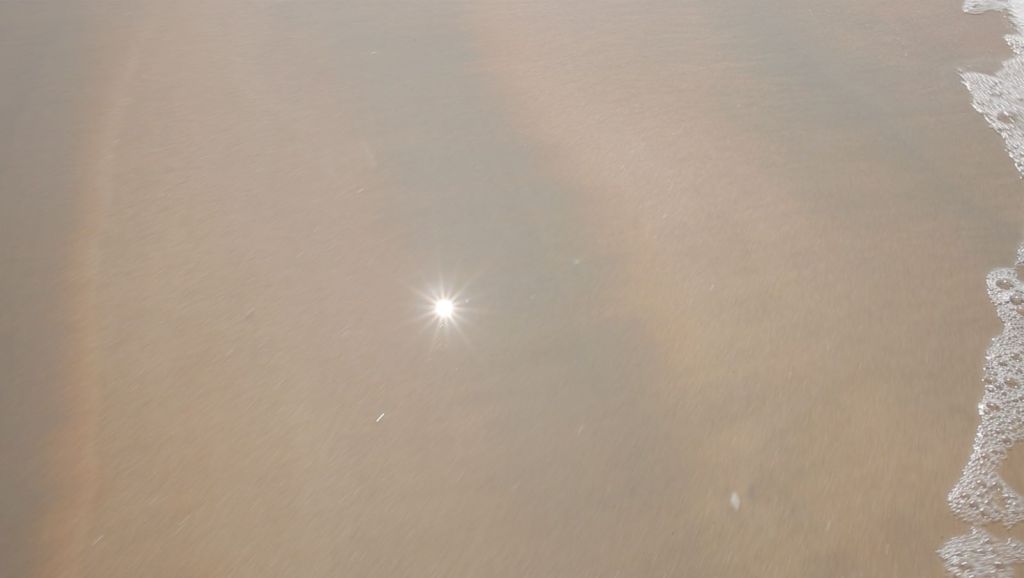
The question that was asked ‘how do I see the unnoticed’ really comes into play with David Blamey’s work. He captures mundane objects, day to day happenings but when you see them captured they turn into something else? His work below ‘Production Stills’ is of the sun reflecting off the sea and sand in India but put into this context it looks like digital projections, a galaxy that we are yet to discover? What I find most interesting is everyone will see something different to you? They will interpret it different, describe it different.
David’s work has informed the way I discover and investigate my chosen street. Could I capture and observe it in my light but get others to as well? What will they draw, observe and pick out?
Nine Squares – Bauhaus
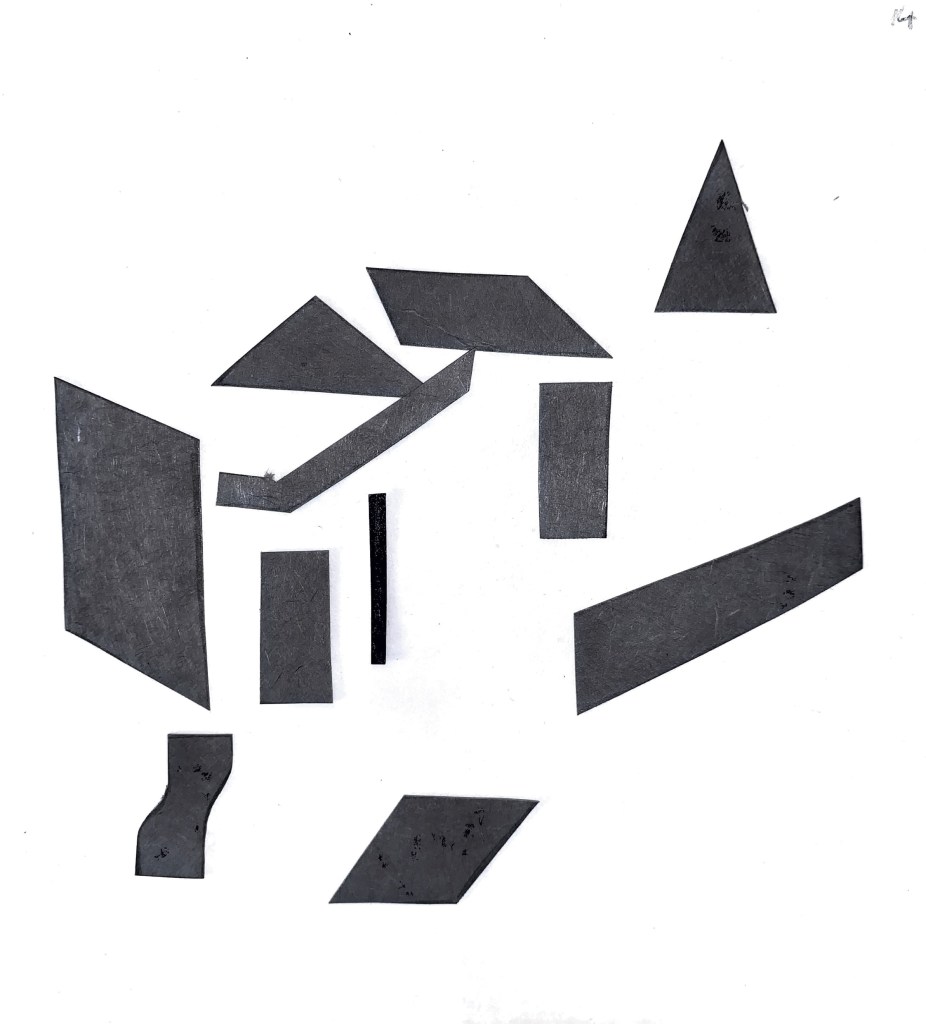
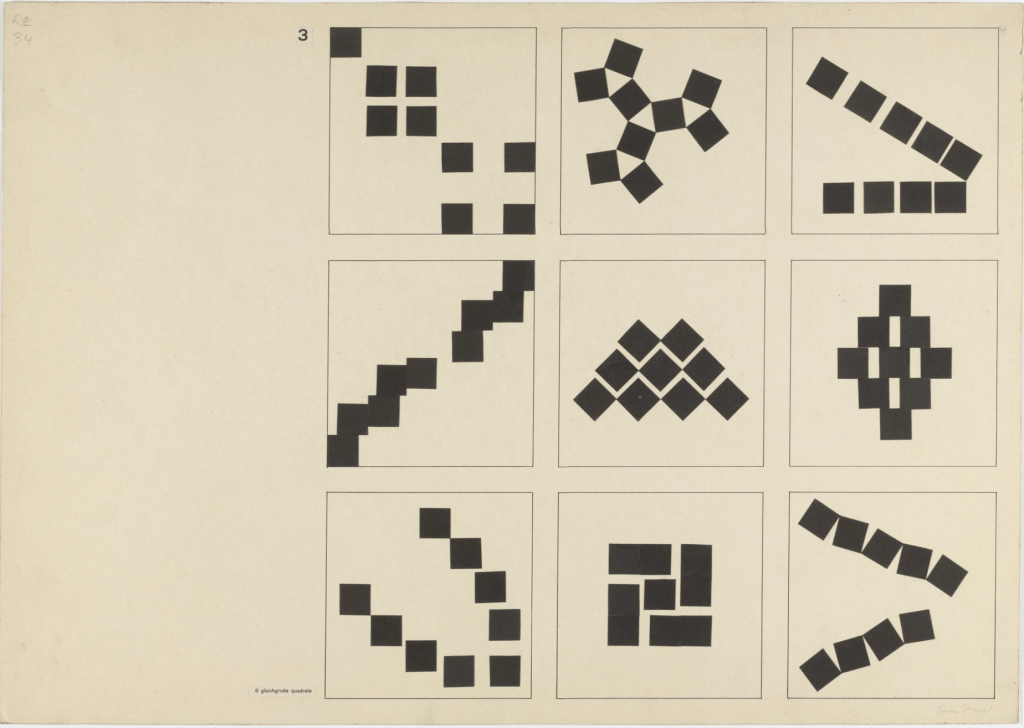
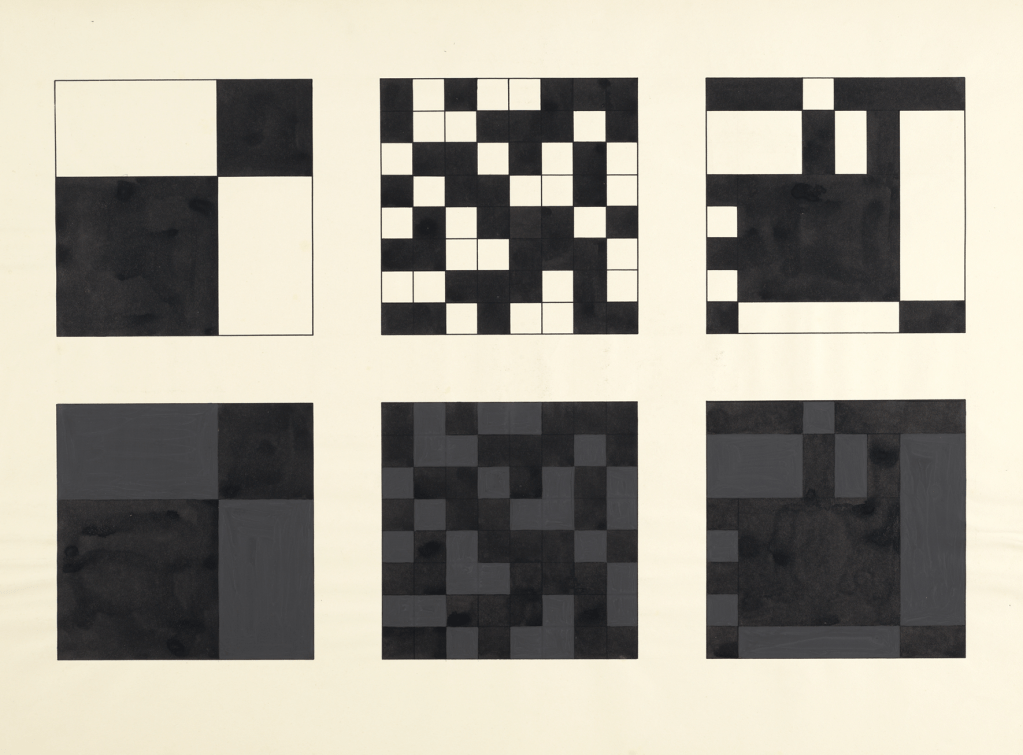
On the ideas wall Keith mentioned my deconstructed street observations reminded him of the Bauhaus 9 square compositions. This led me to want to explore how I could take my experiments further and try framing parts of the street and observing them in shape format. Heubner Studies are contained and complex studies which can easily be adapted to produce multiple.
Something as simple as an equal square box with geometric shapes inside gives the viewer things to consider, ways to unlock and solve the puzzle? When these were created in 1930 at the Bauhaus we have to remember advancement in digital technology was not at the stage it is now, where we are consumed by adverts and digital output. If this was created and put out there today would it be ignored as just ‘shapes in a box’ ? This is where creatives can identify, create and imagine the endless possibilities of these 9 squares.

Aagard Anderson
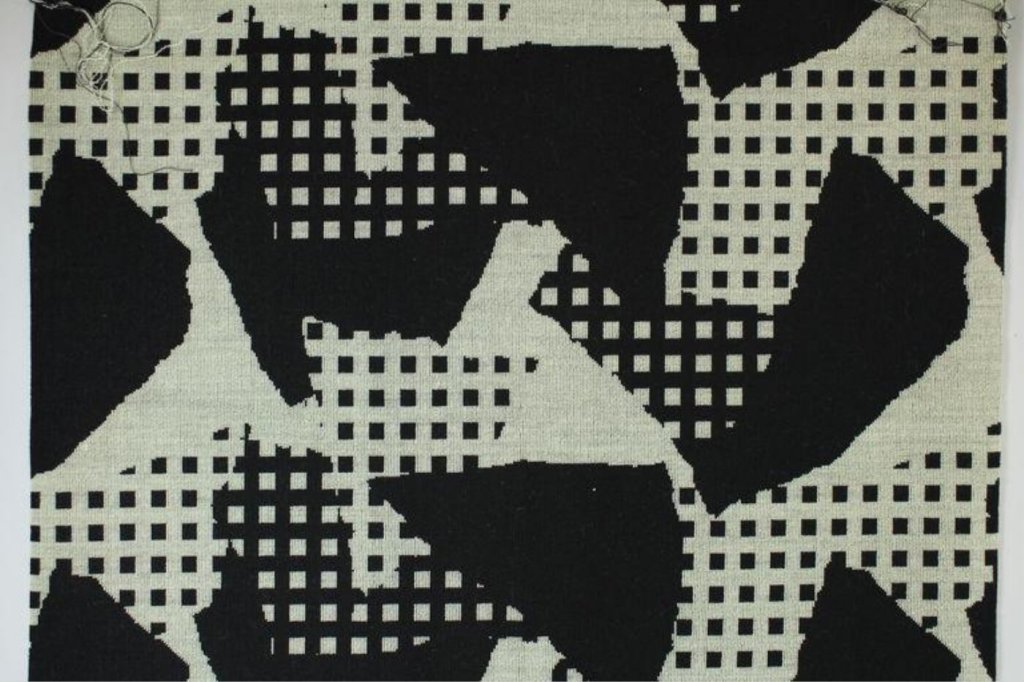
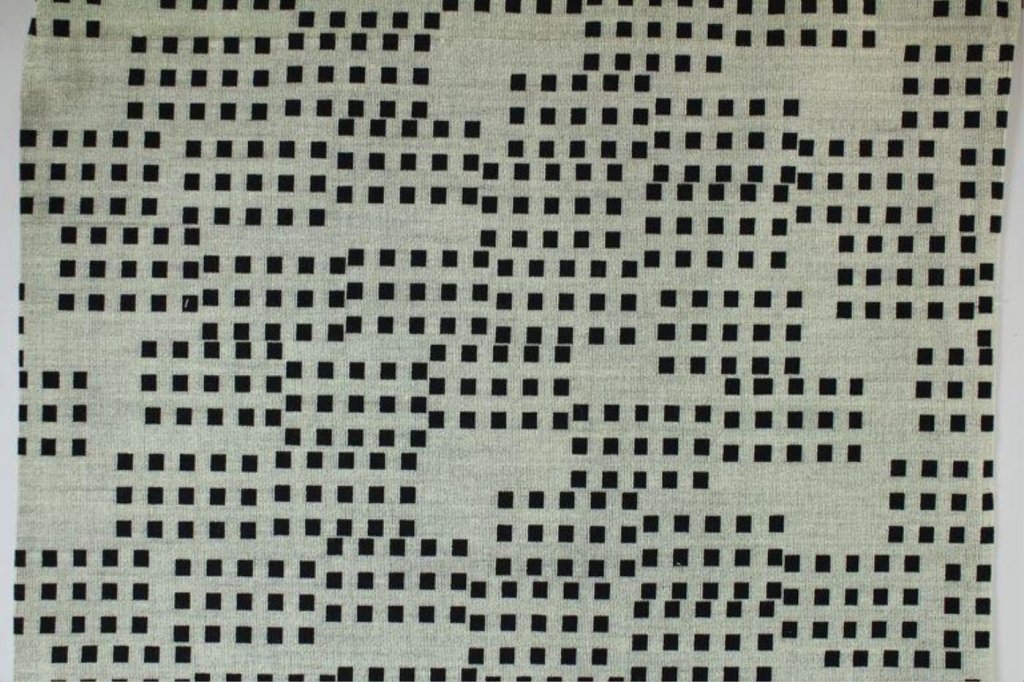
Non figurative expressionism, refraction of light, the nature of colour and structure of form. Aagard used unexpected materials to create compositions which explored the use of shape and form.
On the ideas wall Keith said my process work reminded me of his work and I can see why. As a designer I still wan’t to be able to explore materials by hand, make mistakes and develop those pieces of work. Aagard’s monotone work captures your imagination and gets you thinking why did he place them in that order?
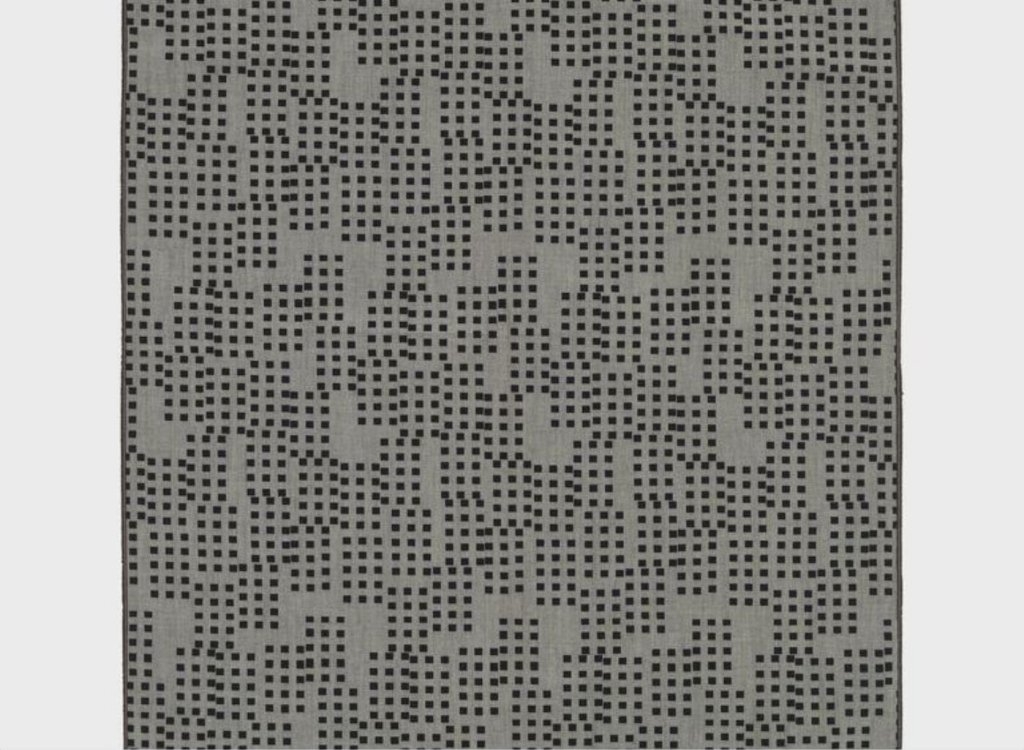
Final Outcome
‘Deconstructing what’s there’ – Vol. 1 Silver Street Trowbridge.
What worked well here: The success for me here is being brave and pushing the boundaries to what traditional graphic design can be. I also feel the route I have taken plays into the ‘unnoticed’ not thinking this outcome would be produced?
Where can this go: I can see this project becoming a series exploring a number of streets in different geographical locations around the UK (maybe even beyond) and treating it like a diary zine. I want to further explore with typography and words within the zine to bring it to life and give the drawings further context – maybe photography is added alongside.
Within the series I also want to explore more technical aspects of the location? Looking into the numbers of buildings on the streets for example.

References
Ashworth, C., 2021. Chris Ashworth. [online] Chris Ashworth. Available at <https://ashworth.work/#/skyline/> [Accessed 12 July 2021].
Debole, N., 2020. Niccolò Debole. [online] Niccolodebole.com. Available at: <https://niccolodebole.com> [Accessed 12 July 2021].
Weekly Critical Reflection
What went well this week: What a week! For me this has been a really exciting and explorative week. Being able to dive into a mundane subject such as your local street has allowed me to examine different research methods and ways of seeing the unknown. I felt connected and in control this week like I was on a journey of discovery. This week I also felt connected to the resources, especially John Berger, Ways of Seeing and the Sketchbooks from designers, both inspirational pieces which I can take from and apply into the coming weeks.
The outcome from this week’s challenge challenges what I do as a graphic designer and the boundaries of graphic design itself, its explorative and predominately visual. The outcome I feel can be taken further and created in a series or further development.
Keep working on: A few things I want to start working on is introducing further typography and statements into my work, really exploring what I am communicating, this week really helped me see the beauty of communicating what others don’t see, which I think is powerful. Keep developing my research outside of the given resources, this has got stronger this week but I still want to build and dive deeper into more historical contexts of design as well as contemporary.
Into next week: Keep being explorative, document the process and enjoy the discovery and investigation into my practice. Feel confident in delivering feedback to others both on the ideas wall and in group crit/webinars
 James Shaw