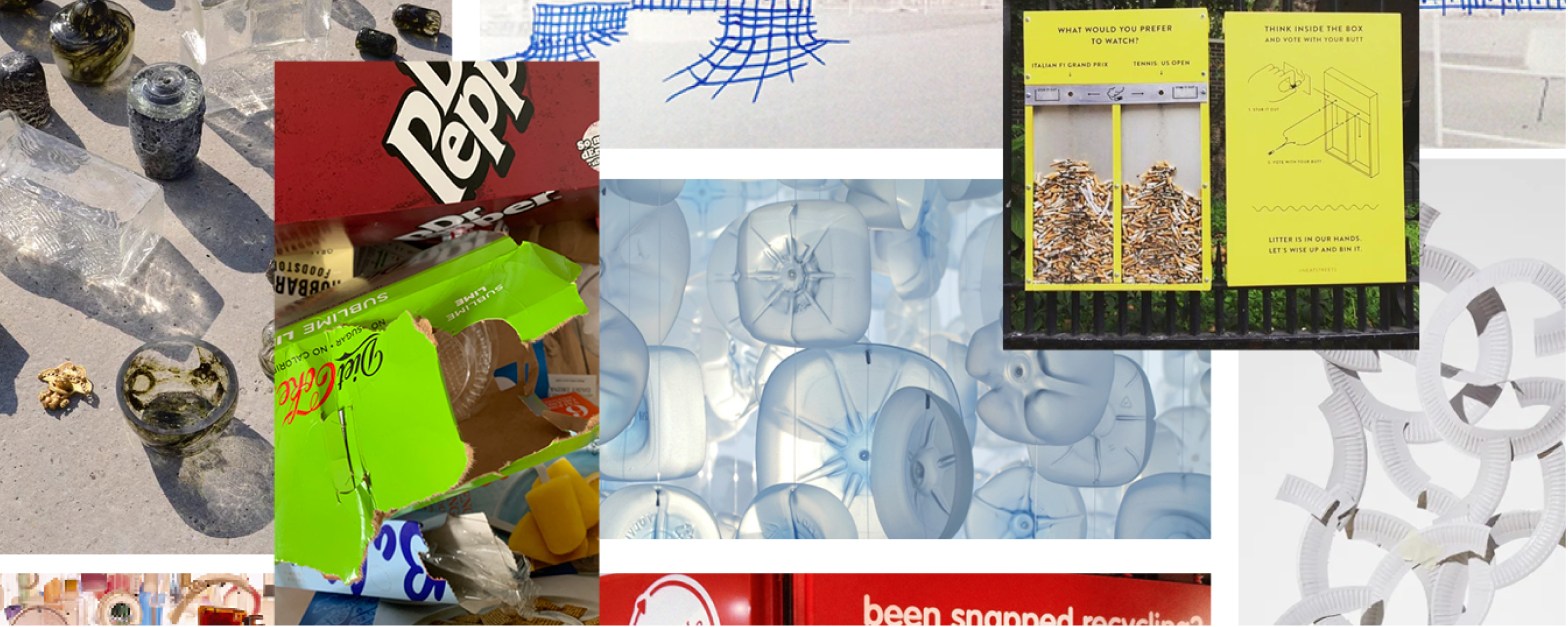
Lecture Comments & Reflections

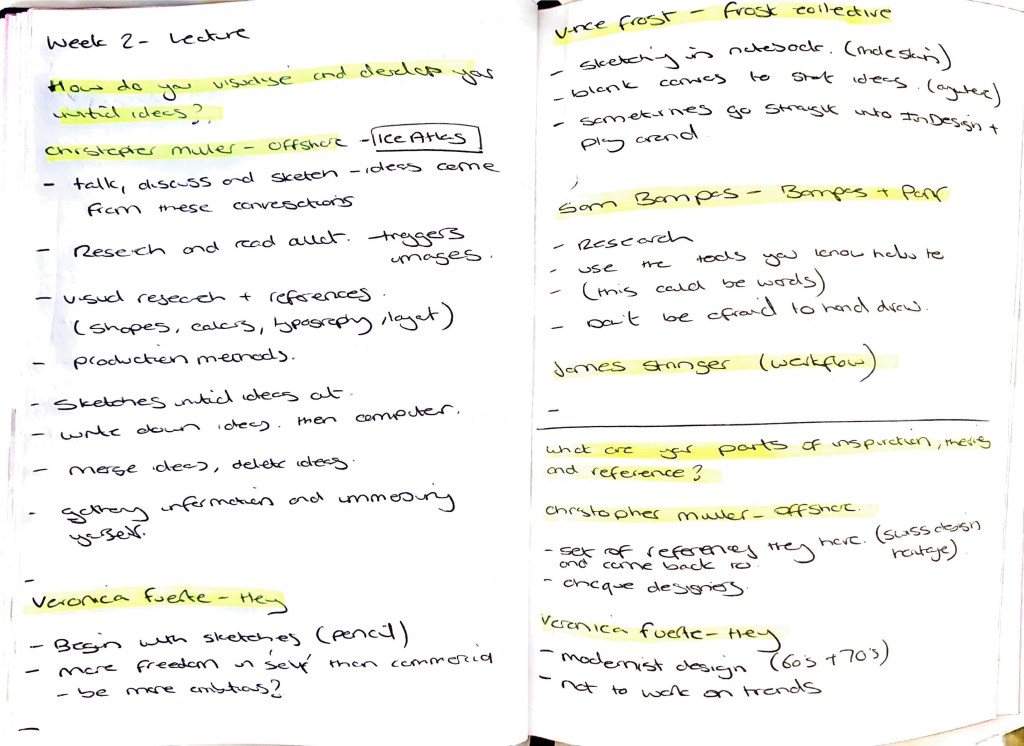
In response to the question asked ‘ How do you visualise and develop your initial ideas?’
My response: When working on either client or self initiated projects I like to start by making notes and sketching my immediate thoughts, this helps me almost clear my brain of all my ideas. From there I will also research, ask questions and look at existing resources I have ( Slanted Magazines for example)
Writing notes and sketching for me is the best way to get down those initial ideas. I find that when doing this process it triggers other thoughts and areas to look into. These sketches tend to be quick and only really understood by me. Sometimes they can be more detailed with annotations when an idea really gets going.
I am not one to go straight onto the screen as I feel it restricts what can be achieved in the early stages, it also can limit what’s around you. When sketching by hand you can pick up pens, pencils, rulers, any materials, found objects and create. Not so easy on the computer. I would tell people to keep away from the computer at the early stage to really explore your idea in your head, even if you think it sounds wild or not on topic, sketch it and jot it down.
Design Development (weekly Challenge)
Mood Board Research and development:
With my project exploring news/information around environmental in a typographic form with sound I want to explore what ways of presenting this information can be achieved typographically. This will be the main focus. I need to explore what ways I can explore type and sound together. Also can imagery play a part within this outcome?
Words to inform: Fluid, abnormal, tactile, nature, object, form, deconstruct, informal
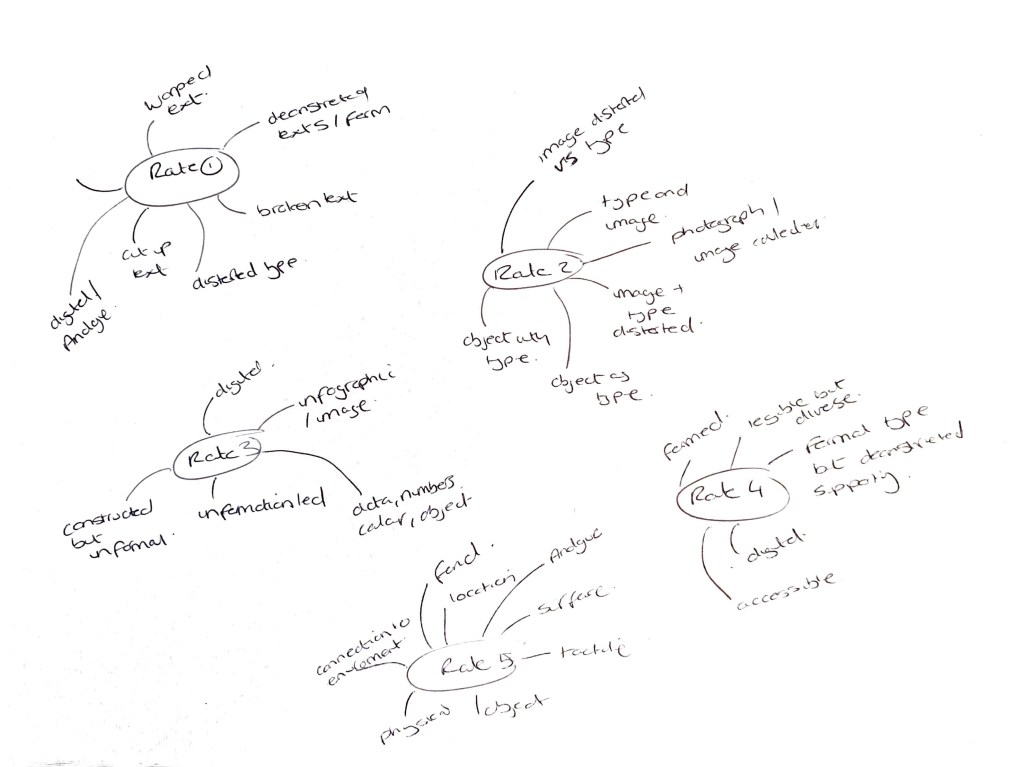
Mood Board 1
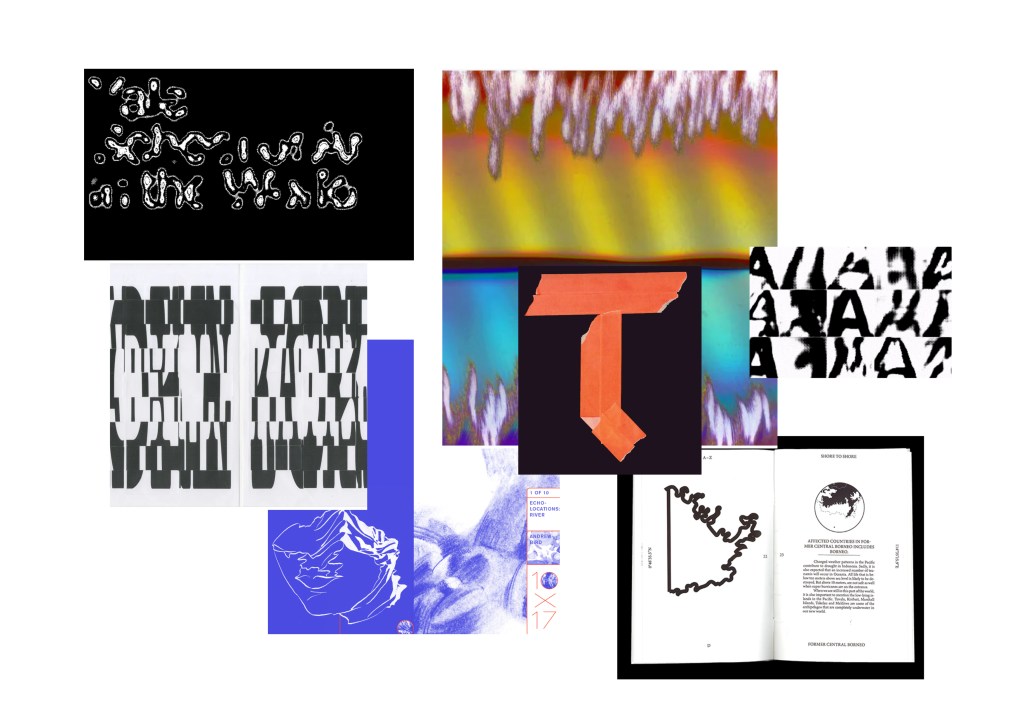
Messages delivered such as news tend to be in a legible, accessible format. However for this project I want to see how pushing the boundaries of presenting news can effect its engagement. For this idea I’ve been looking at distorted typography, fragmented messages, and ways of experimenting with the forms of words. This way would compliment the additional sound element to the project, with the sound being informed by the typography.
Words which informed the mood board – distorted, illegible, re presenting, abnormal.

Mood Board 2
For this idea I wanted to explore how the environmental news could be explored with the use of texture and type from the surrounding geographical area. Delving into colour, texture, emotion in relation to the information. Distorted imagery and texture. Tapping into areas like weather systems (hurricanes)
Words which informed the mood board – illusion, unknown, science, foliage

Mood Board 3
Here I wanted to investigate ‘tactile’ how tactile ways of designing can inform the information I am putting across. This will allow for me to be hands on and explorative, tapping again into the immediate geographical environment. Looking at paint, water, soft vs hard, letterpress, sketch, materials. This would give a more connected feel to the project.
Words which informed the mood board – tactile, connections, hands on, emotion

Mood Board 4
Off track from the others but could the project be more structured and legible with elements of explorative work to balance? The information I want to present could be text heavy so this gives me the opportunity to play with a more considered layout, but with playful elements. Looking at editorial design, typography, layout and how the information I present could be tangible (physical object)
Words which informed the mood board – considered, structured, formative, legible, balance

Mood Board 5
The exploration of this mood board, which is the one I want to work with and further develop. This gives me the opportunity to have playful approach to presenting the environmental news but considered at times (where important text may need to be legible) The direction will push the boundaries of how existing news is delivered and juxtapose against elements of the information presented.
Part 2 – Going back over my question and refining it further. – A MAJOR RETHINK
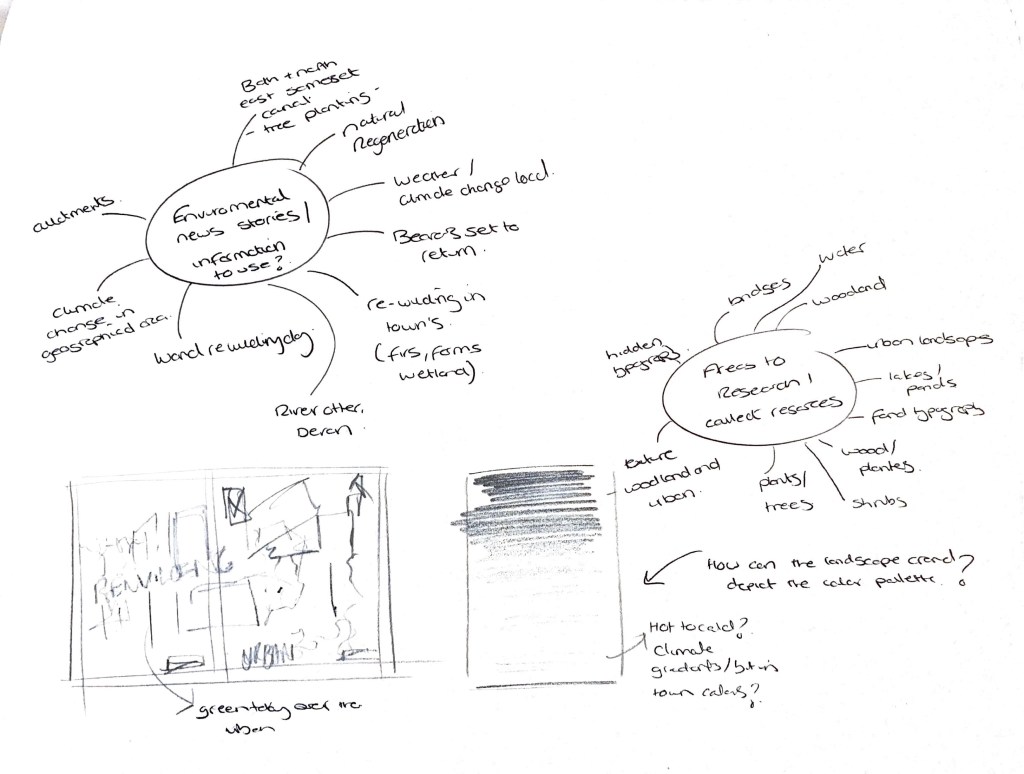
I was getting stuck in my direction and finding any way through and realised this was due to such a broad question. I was trying to make it sound ‘good’ rather than focusing on what I actually wanted to achieve. There is an element of climate change that I know I want to explore I just need to extract it out and hone in on this.
I booked a tutorial with Stuart so I could share my thoughts and bounce ideas around. This has helped me in seeing how broad my question is. It also started to eek out ideas, further questions and thoughts I could look into for my research question.
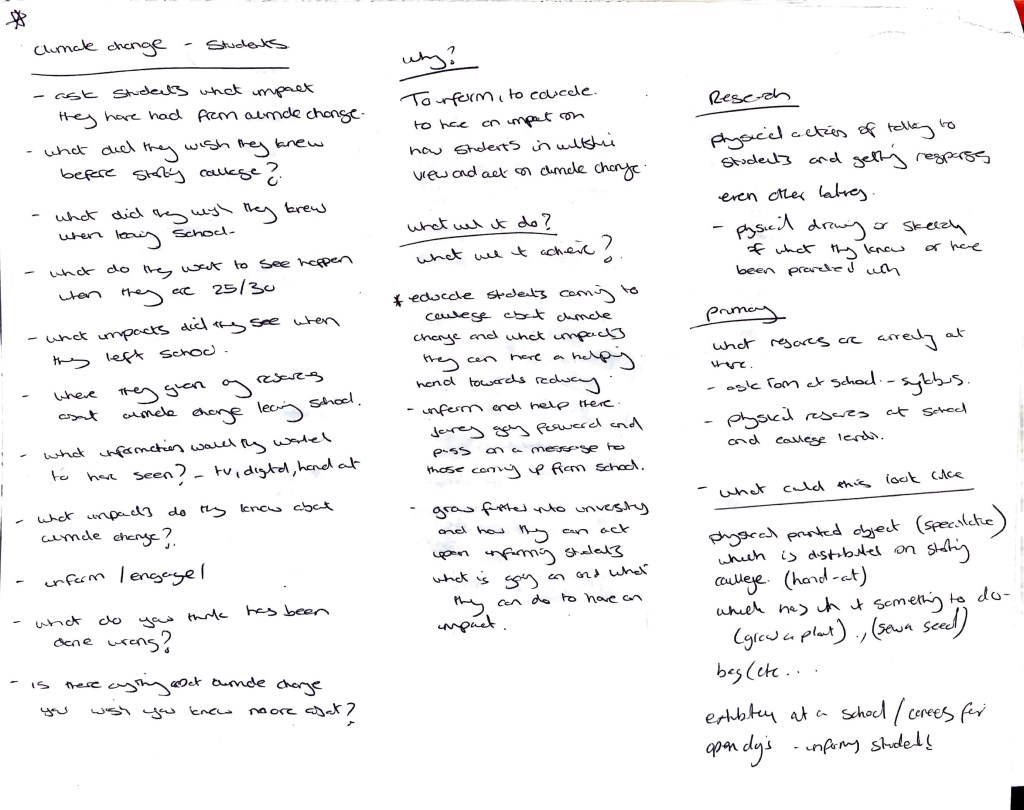
We spoke about a few different directions from themes I wanted to explore this being climate change (weather) and how I could get college students to be more informed and engaged. The other idea of capturing conversations within a geographical area and re presenting them in a way to the town.
My initial thought was drawing me more towards informing and engaging with students about climate change (or more specific, potentially rising temperatures, recycling, fast fashion, sustainable travel in the UK (just the South West) putting into place something tangible which would inform an age group who can pass this on (college/ university level) This could be presented as part of induction to college, a pamphlet, an exhibition or group which would continue to build on the engagement. The purpose would be to get more students engaged with the effects of climate change as they are the next generation and will see the impacts of what’s happening now.
Further questioning.
Climate change – how design can impact students decisions when recycling
how can graphic design help students understand the importance of recycling
Can graphic design inform students of the rising temperatures in the UK due to climate change
How can graphic design impact the decisions students make when it comes to plastic (or recycling)
How can graphic design engage college students about climate change in wiltshire.
How can graphic design get college students engaged about rising global temperatures
How can graphic design impact the decisions students make about recycling
How can graphic design engage students to have an impact on recycling and the wide climate crisis.
How can graphic design inform students of the rising global temperatures and the impacts this will continue to have?
How can graphic design inform students of climate change and the impacts this will continue to have on our weather.
How can graphic design inform students of wiltshire the impacts climate change will continue to have on our weather here in the UK – collaboration with met office?
sub topic? – How can the impact of rising temperatures in the UK be presented to help inform students about the effects of climate change?
How can graphic design help educate students in Wiltshire the impacts climate change is having on our weather here in the UK.
Sub – How can graphic design help inform students the impacts recycling is having on our weather here in the UK.
Initial thoughts on new direction
Peer to peer with Wes
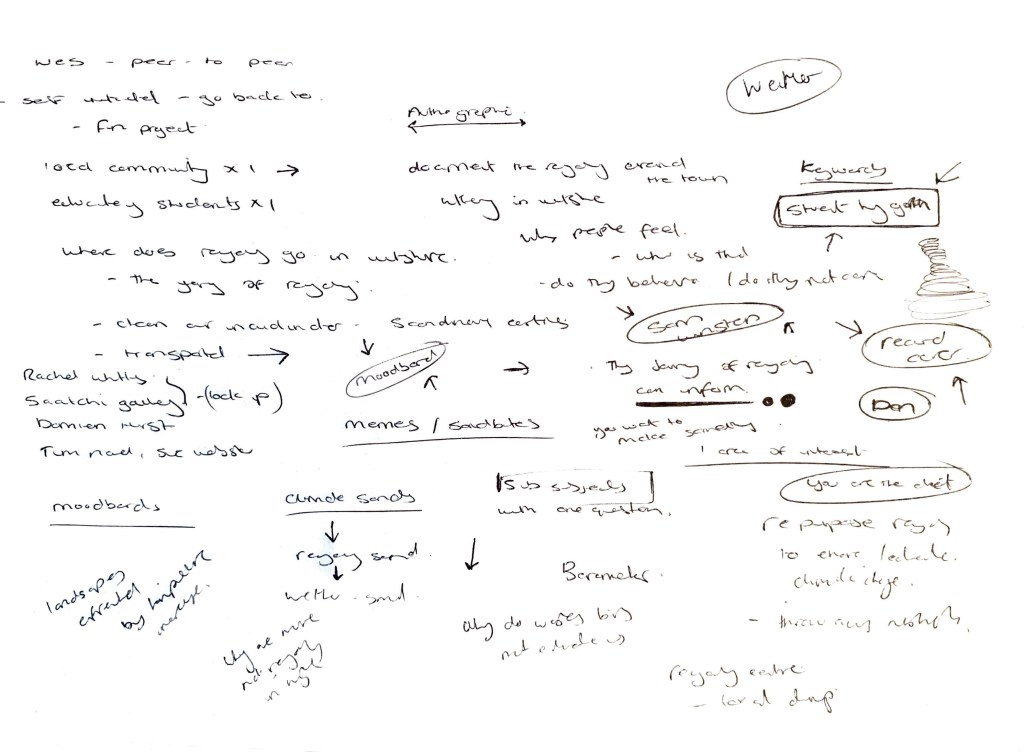
– I had a peer to peer with Wes to get some feedback on my latest developments. This helped hugely in really starting to narrow down my question and area of research. We spoke about really getting into recycling in particular, with my geographical area. Could the recycling / non recyclable materials produce sound? What if they produced sounds? what if they created sounds which helped engage and educate on a larger scale? Could this help heighten the awareness of recycling in a town?
I am now in a development stage where I can see my idea working and informing an area but also allowing me to explore an area I am really interested in? I can see this having an impact. My next step is to review my current mood boards which are to broad and start to narrow this into potential routes.
Notes from Wes and mine peer to peer
Initial thoughts on routes:
Sculptural recycling (3D, tactile)
Recycled typeface?
Recycled instruments? (interactive)
A more paired back type/page outcome
World of plastic and recycling
Questions / areas I am now at – What if non recyclable and recyclable household materials produced sounds – with this almost being a sub question to a bigger/broader question of engaging students/ a community on the ongoing issues with recycling in our local towns.
Could typography play into the visuals? Physically try printing waste materials in the home? What message does that give off?
Jonathan Barnbrook, a graphic designer well-known for his political work protesting issues such as the arms and weapons trade, agrees that designers should be “using their creativity in a way that is useful to society”, rather than producing “‘cool’ work for companies that encourage endless consumption”. – sparking ideas on how I can use materials we are producing daily to engage and help raise awareness. I want to have impact. Even if it’s local and small to start with.
How can the physical objects create the sound?
How can I encourage recycling within university halls of residence in a creative and engaging way.
Mood Boards 2.0
Mood Board 1. How the physical aspect of recycling can be presented along side the sounds they make. Looking at the physical object of recycling and the shape. Putting the object in front of the viewer in its true form. Idea would be to exhibit these ‘objects’ within a space (very clean) with the sounds recorded from the objects themselves (almost feeling overwhelming to the viewer like rubbish is taking over) – Could the audience build them? Could it be part of a game to build a structure? (The recycling games)
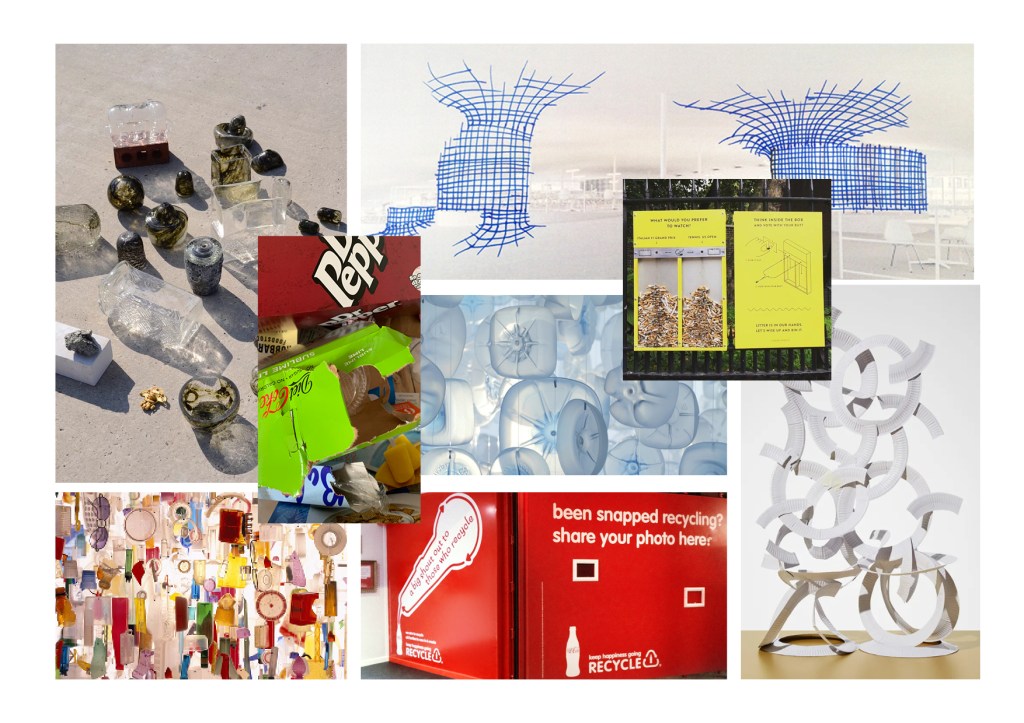
Mood Board 2. Broken down household waste. Looking into the idea of what the fragmented household waste item might look like. Scraps, pattern, texture, everywhere, fragments, allot to do. Again looking at the physical object itself and how that can be used to create and present the message? A more abstract outcome which asks the questions of how the viewer can improve there household recycling.
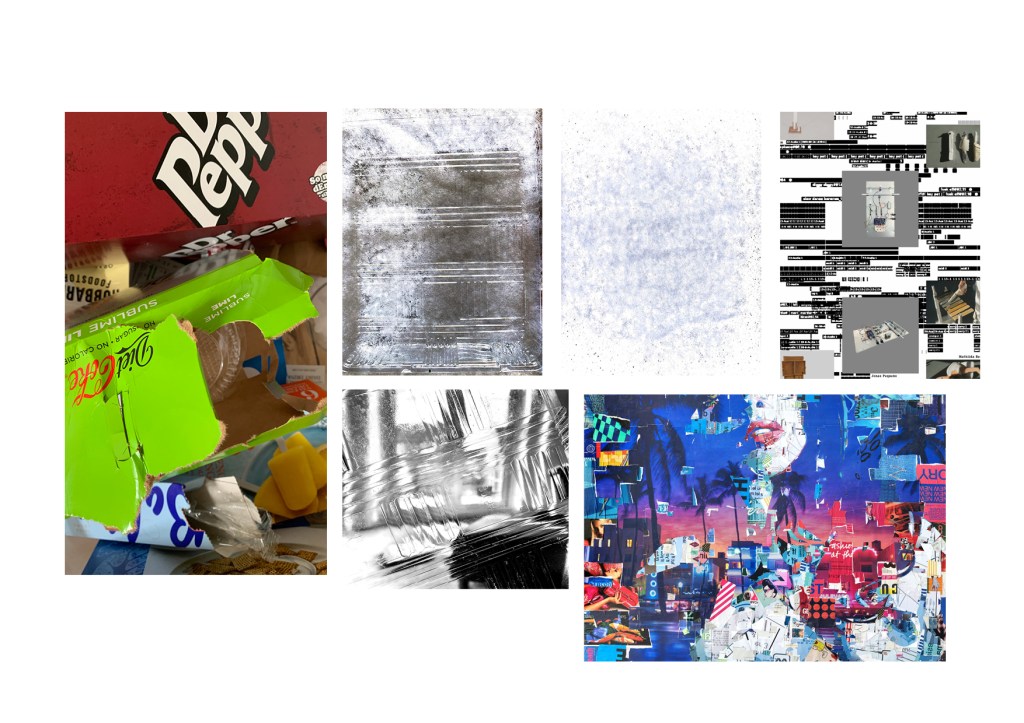
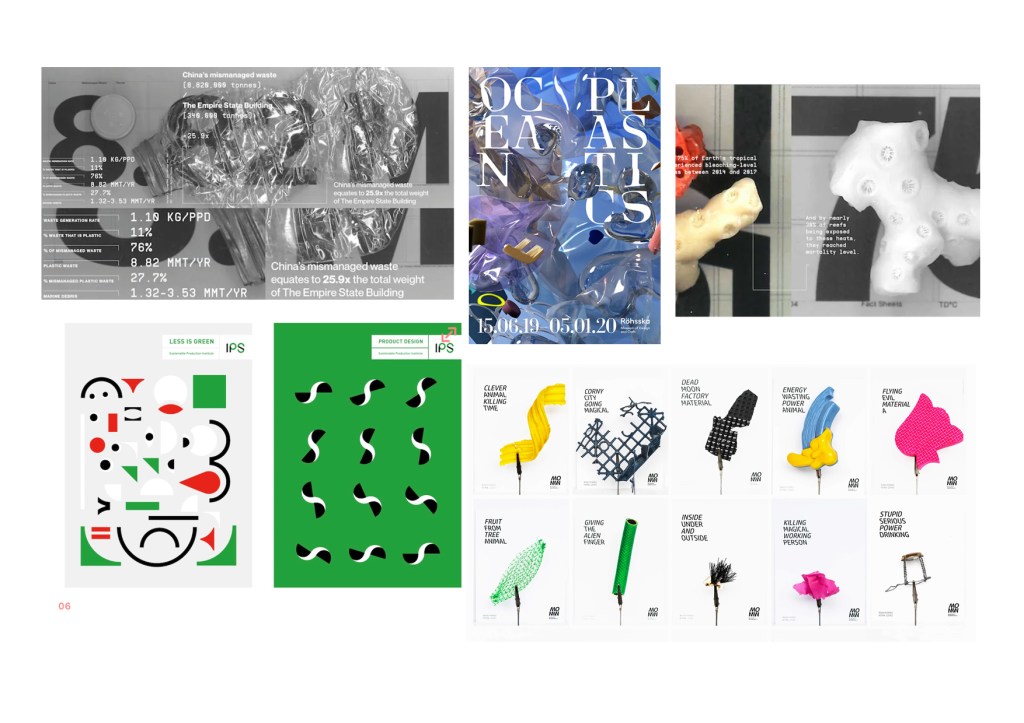
Mood Board 3. Using the household recycling as an object to create a campaign. How can the objects be used to enhance messaging and impact? Physical photographs vs sound and layout. Extracting the elements as shapes. Audience more in mind with legibility and messaging. Speculative thoughts on outcomes – digital campaign to engage the audience on the problems facing recycling. Could this change up depending on location? Falmouth (plastic in sea) London (rubbish on streets)
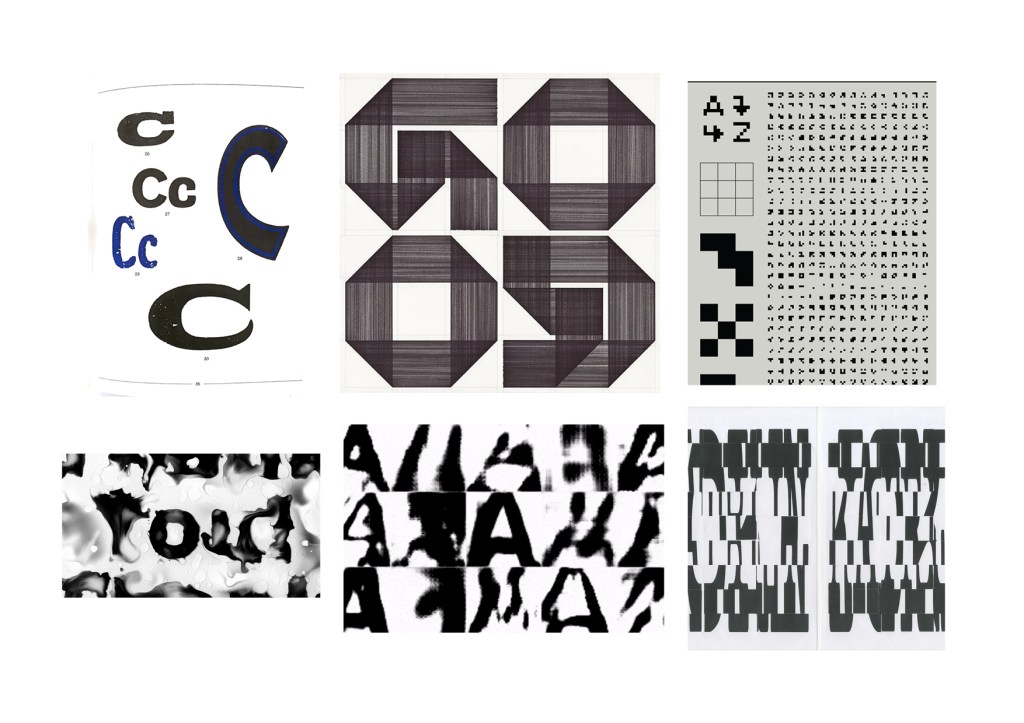
Exploring a more typography based approach to engaging the students within halls. Using the raw materials to create a typeface. Printed elements from recycled materials, outline and deconstructed elements.
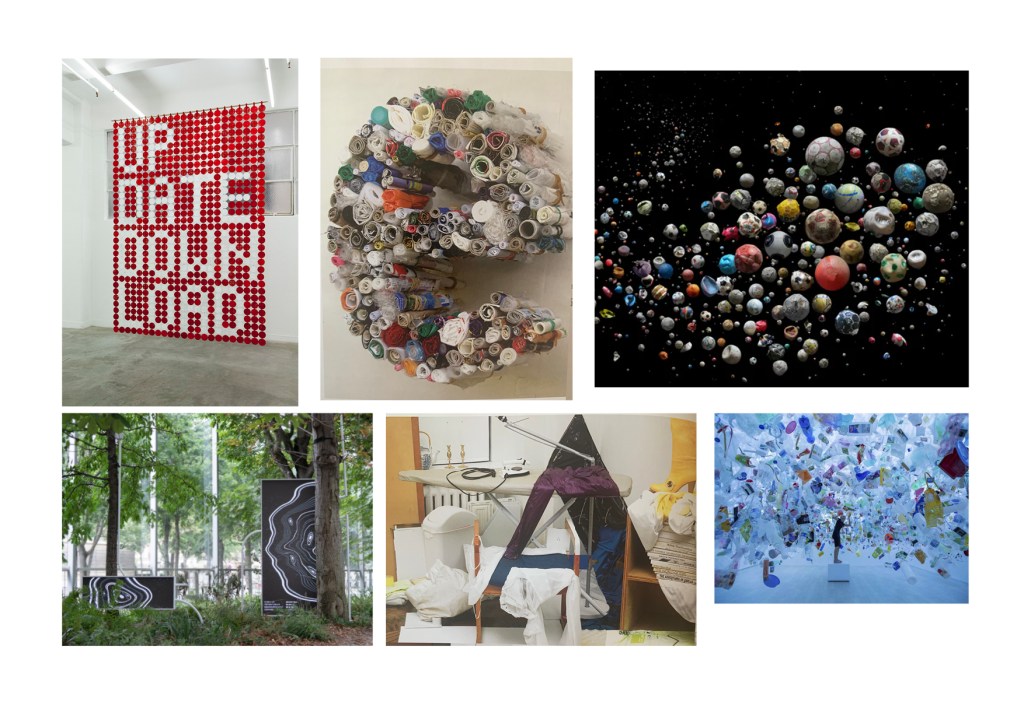
Ryan McGill, Founder of Two Degrees Creative, says that “recycling has always been about turning a material back into itself, but a newer, different version: one that’s better for the planet, and more effective for the world.
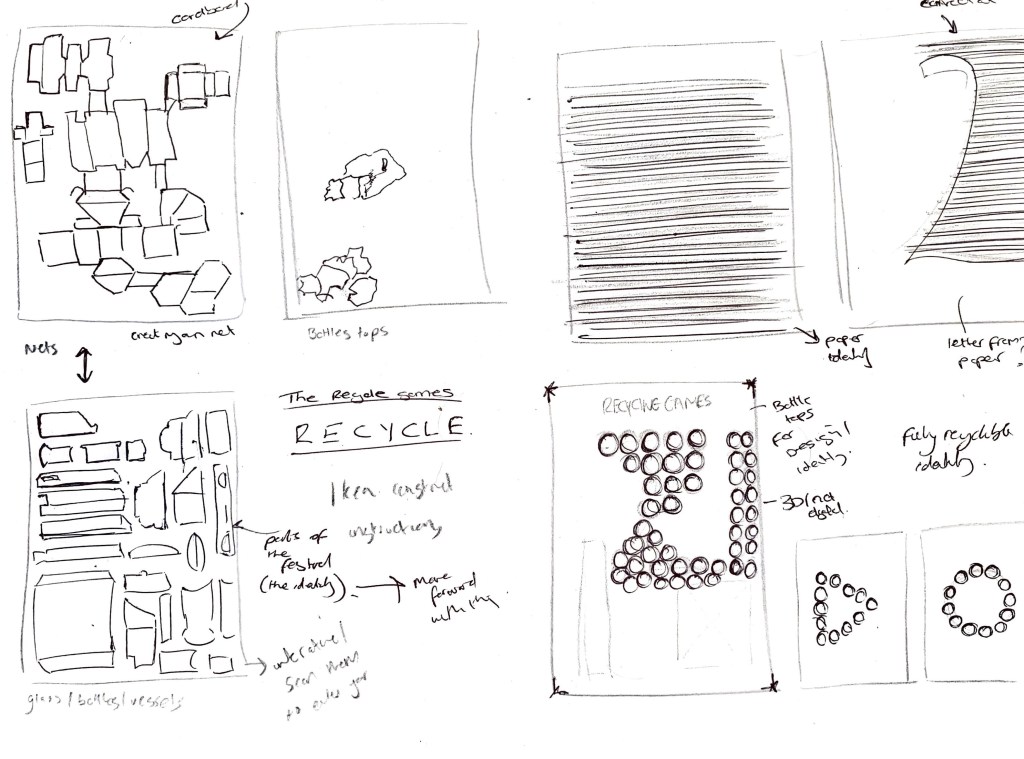
Initial developments of idea and sketches. Thinking how recycling can become a ‘games’ at universities. How can students get involved and have fun while learning about the materials we need to recycle. Campaign materials made up from household materials, hands on and tactile. A connection can be made
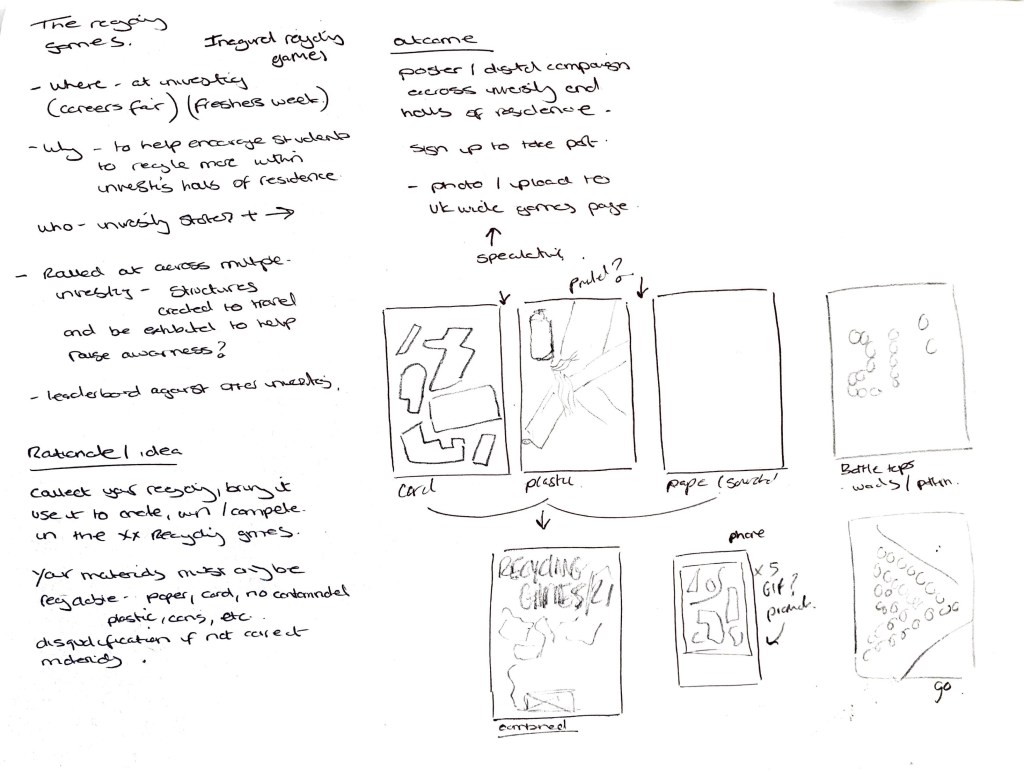
Initial sketches on how I’m going to communicate the ‘recycling games’
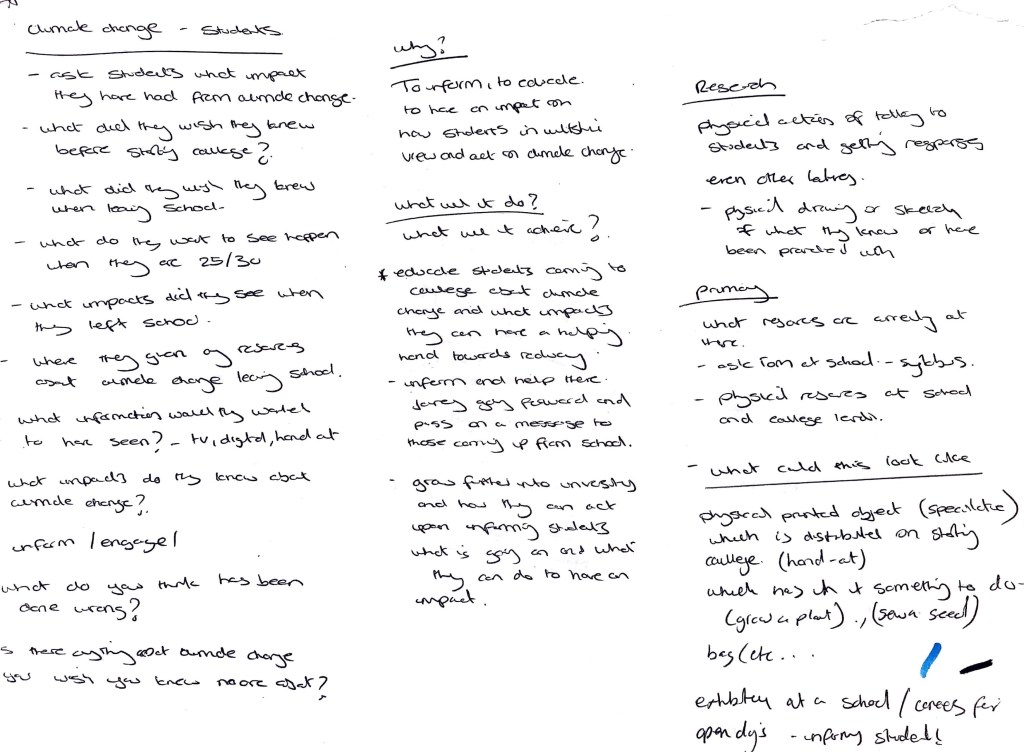
Feedback from friends on ‘recycling games’
– Positive feedback from a friend who works directly with students – “students would love that”
Also giving feedback on what the structures they build could be used for? They mentioned making structures which could be used as stalls, chairs, elements for freshers fairs and or parties (props) (which can be re used and then recycled) – potential route to tie it all together?
– Going to connect with Unite Students about the idea as they are having a real push on sustainability within the halls of residence.

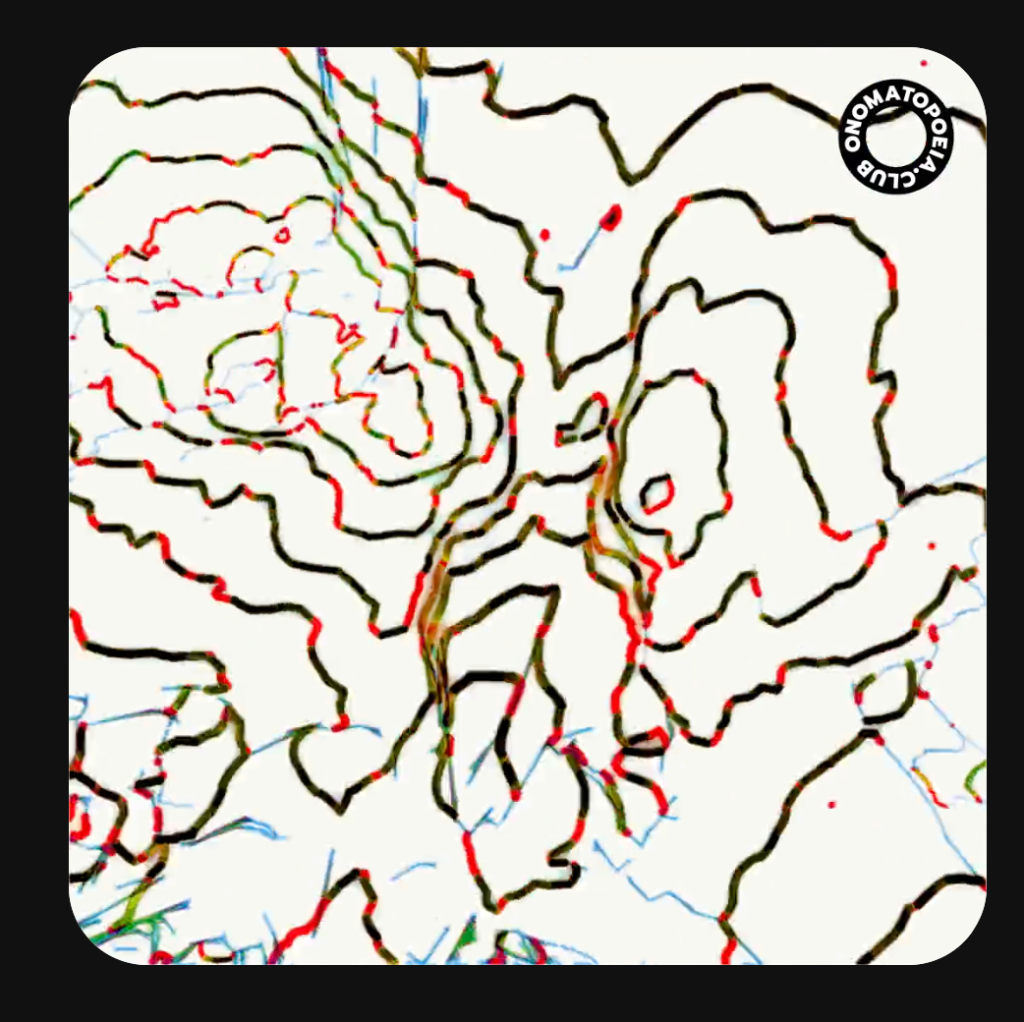
Research
Onomatopoeia.club
Non-Format record covers.


Rainer Kohlberger – Light
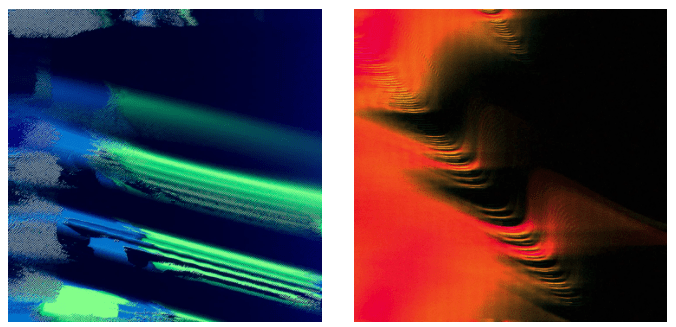
Joseph Bradley Hill
Two degrees creative
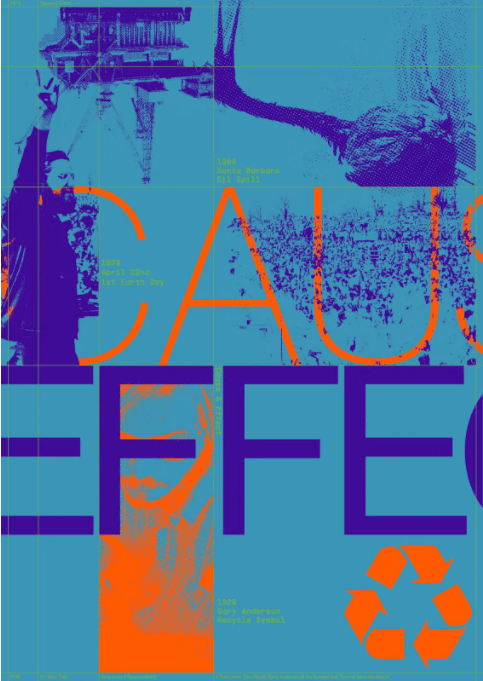
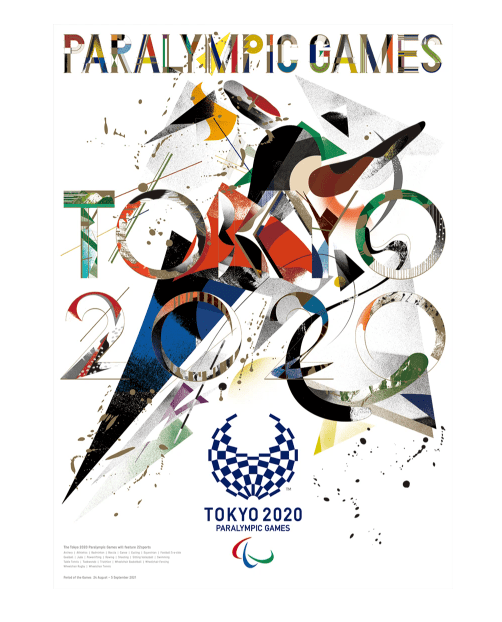
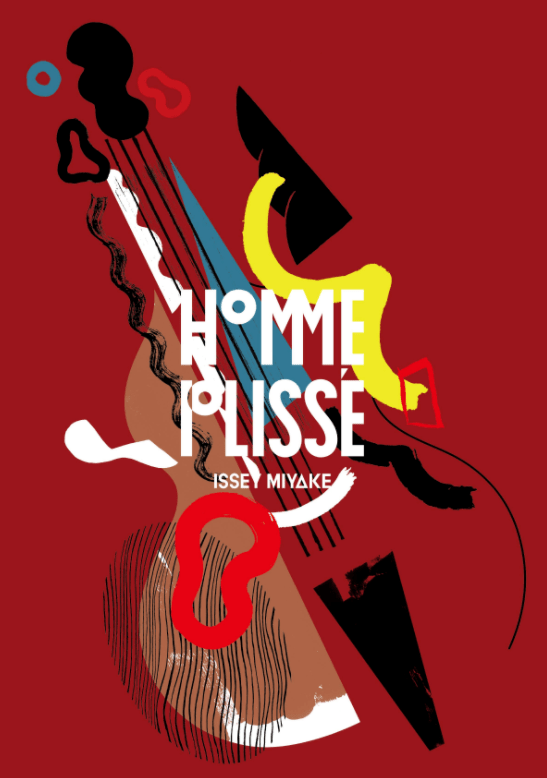
References
- https://www.brainpickings.org/2011/06/21/shapes-for-sounds/
- https://eyeondesign.aiga.org/why-type-should-be-heard-as-much-as-seen/
- https://dia.tv/
- http://non-format.com/jq-outside
- https://www.designweek.co.uk/issues/29-april-5-may-2019/what-can-designers-do-to-help-tackle-the-climate-change-crisis/
- https://www.itsnicethat.com/features/response-and-responsibility-gary-anderson-two-degrees-graphic-design-100719
- https://www.itsnicethat.com/features/response-and-responsibility-gary-anderson-two-degrees-graphic-design-100719
- https://the-brandidentity.com/feed/two-degrees-creative-displays-200-recycling-symbols-online-exhibition-space-shutdown-gallery/
Weekly Critical Reflection
What went well
Continue to work on
Prompts for next week:
 James Shaw