Lecture Comments & Reflections
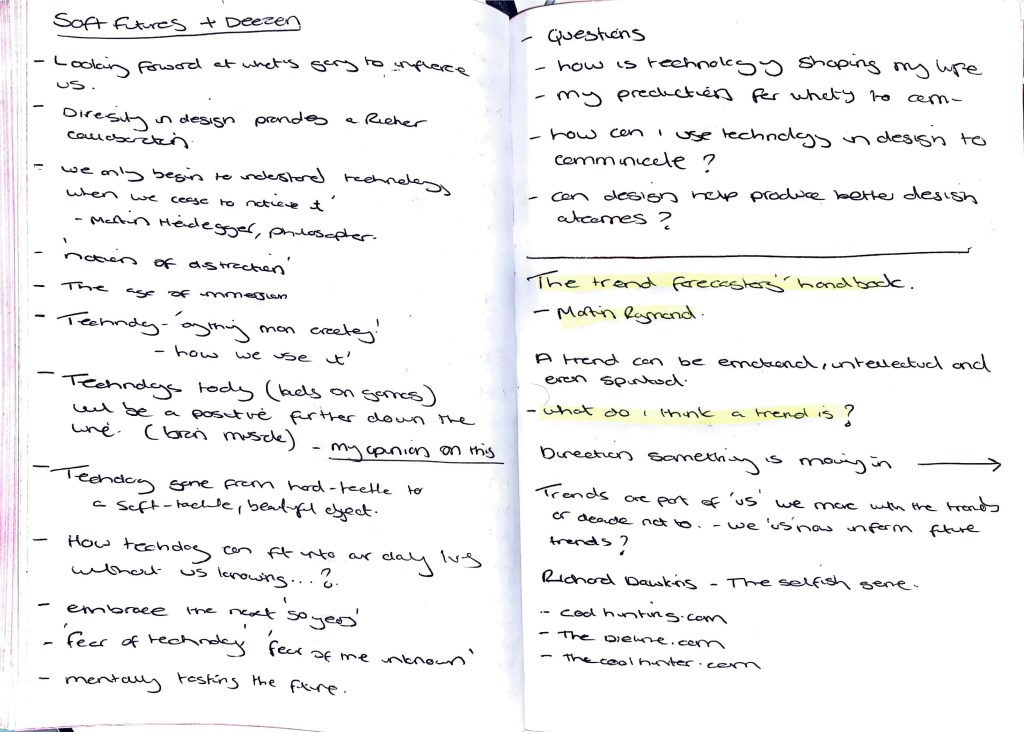
How is technology shaping my life?
In my creative practice – Within my creative practice I rely on technology for me to be able to deliver within client expectations, using software such as adobe (industry standard) to not only deliver but to research and construct delivery. However since joining this course I have tried to branch out and use more analogue means to delver projects, this has re connected me to the process of design? So can technology have this similar impact? for me no. With the development of technology such as drawing tablets I still don’t feel you can get that true feeling of creating by hand? How will technology develop to potentially embrace this? will pencils and pens become part of our human body (invisible to the eye)? maybe too far fetched?
Another part is the rise of online delivery (even more since the Covid-19 Pandemic begun) we are delivering and meeting more and more online… we are taking away the human to human interactions. Is this a move we are going to continue to see or will the effect of Covid-19 see more people wanting to meet in person again?
In my daily life –
When I reflect I am at times quite disappointed how I am embracing technology especially the smartphone, I can spend chunks of time engrossed on such a small screen, to get not allot out of it? I am trying to adapt my way of using technology so that it enhances my daily life not disrupts it. For example hiding social media away in a separate folder so that it’s not the first thing I access.
On the other side the benefits of the rise of technology are exciting, faster delivery times, communication to a wider audience more quickly (global at fingertips) being able to learn new technologies and examine the benefits they can have moving forward rather than a hinderance. As Martin Raymond mentions in the Soft Futures talk “we have a fear of technology” we need to embrace and understand how technology is going to help us rather than discount it taking over your lives.
Emerging Trends within museums / collections / archive
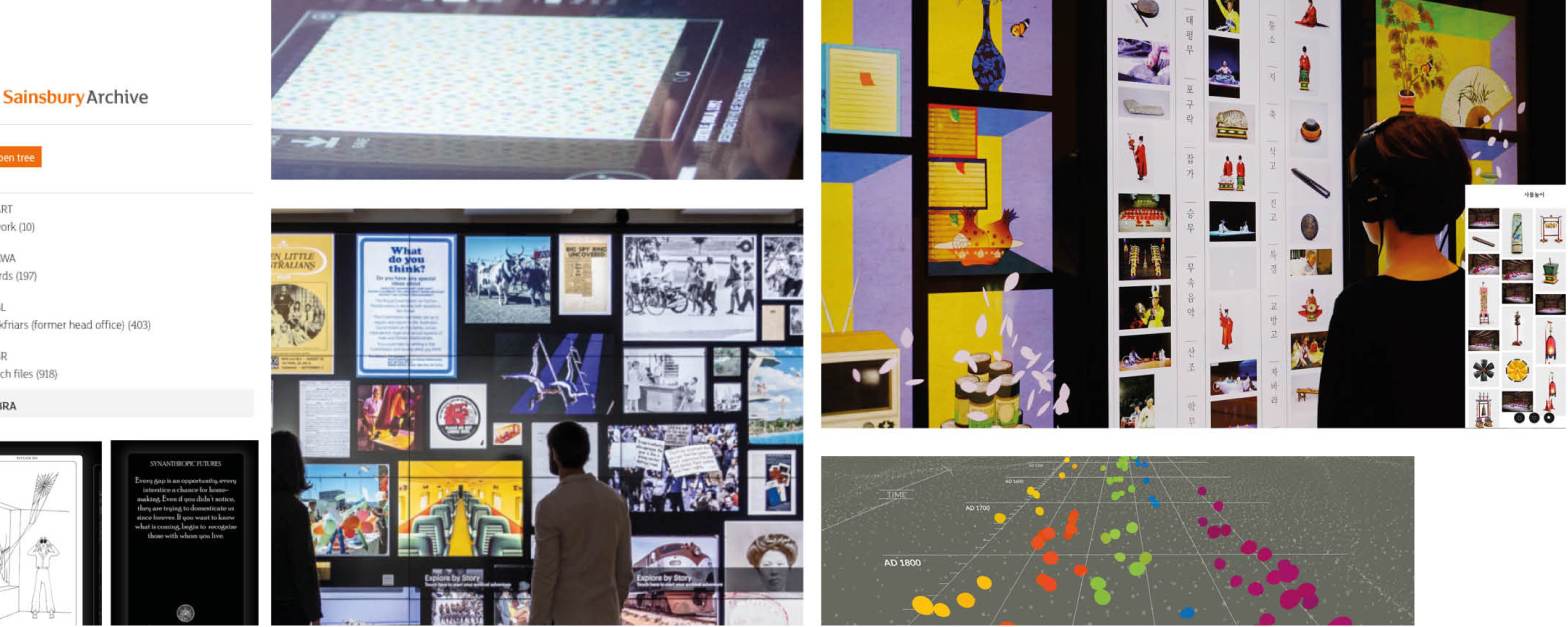
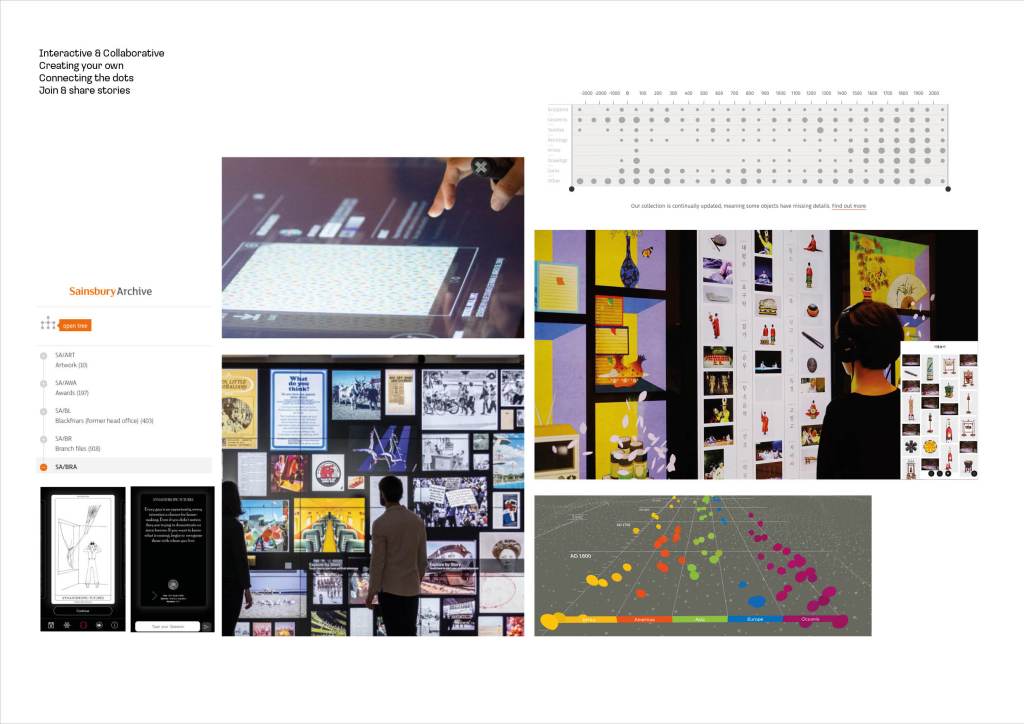
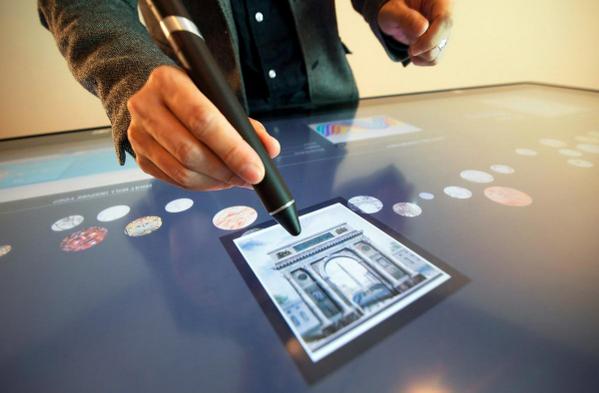
Embracing digital – Many museums are embracing the advancement of technology and how it can give visitors new experiences when visiting for example the Cooper Hewitt gallery has created ‘The Pen Experience‘
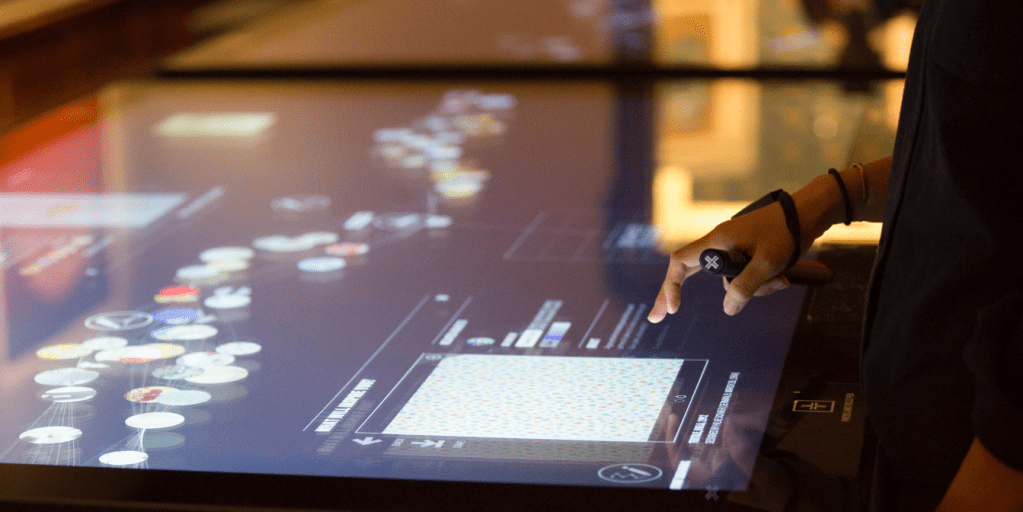
allowing visitors to collect and save objects around the museum on interactive pens. You can carry this around the museum and add as you go. On the other side the National Gugak Center has created an interactive wall to let visitors explore their collection, allowing for greater discovery of its objects.
Immersive Experiences
Rise of smartphones and there impact
Online / digitisation of archives
Virtual Exhibitions
Sharing of Archives
Move to more online experiences (greater accessibility)
Overall experiences (Tate Lates, music, film, art, food, community)

Design Development (weekly Challenge)
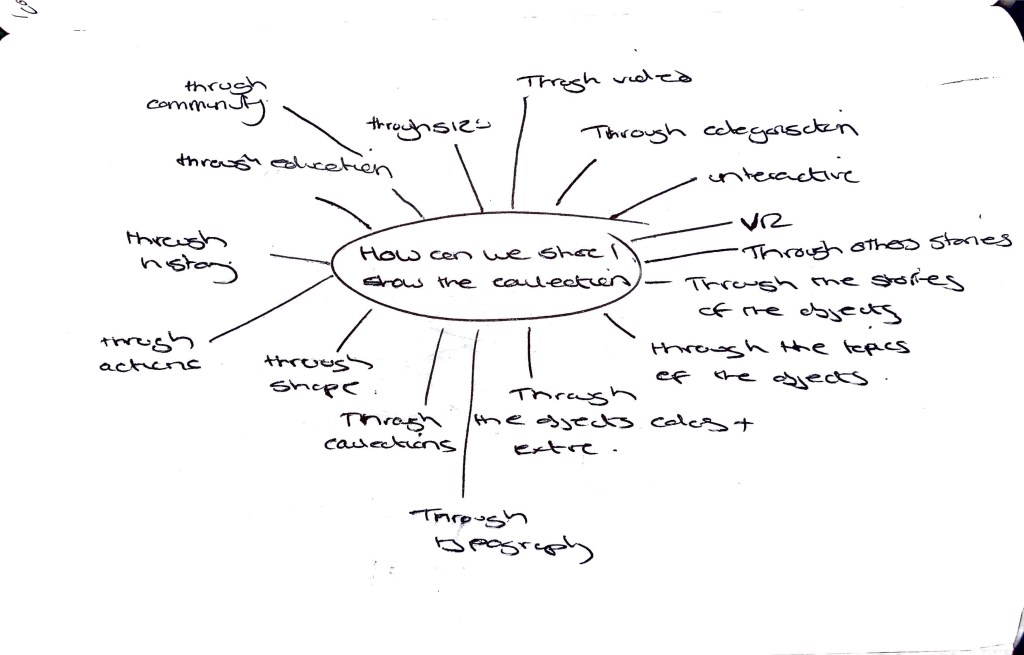
Further thoughts & ideas on how the collection could be shared
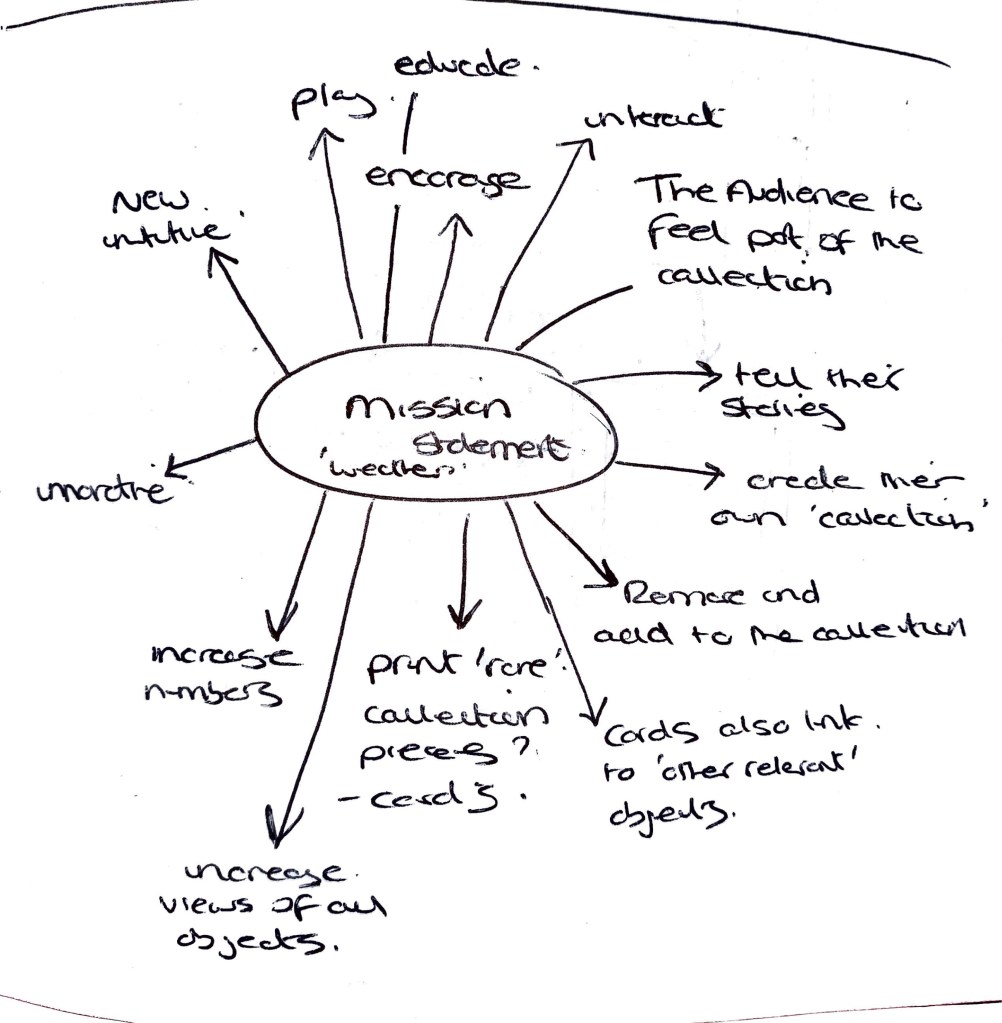
Task: Create one clear positioning (mission) statement to outline your project goal and how you will address the strategy already outlined in your project plan. Your positioning (mission) statement should show evidence of how trends (and other emergent fields of practice) can be evaluated, to ensure the direction of your strategy is effectively aligned to your project requirements. Please ensure your approach is innovative, original and brings new insights to the given subject area.
Mission Statement:
(Positioning Statements are brief descriptions of a product/service and how it fulfils the needs of the target market. … A good positioning statement should, as the name suggests, position the brand, especially in relation to competitor brands)
Project Goal: For this brief I aim to create a design solution which allows the outlined audience to ‘collect’, ‘share’ and ‘play’ their own digital science museum collection. This solution will enhance the visitor experience to the online collection and implement tools to discover a vaster array of the objects.
Evidence of how trends (and other emergent fields of practice) Emerging technology and the want for immersive experiences over just in person and online image based collections. Where: AKC, Pencil Experience, Van Gogh experience (taking objects to the audience)
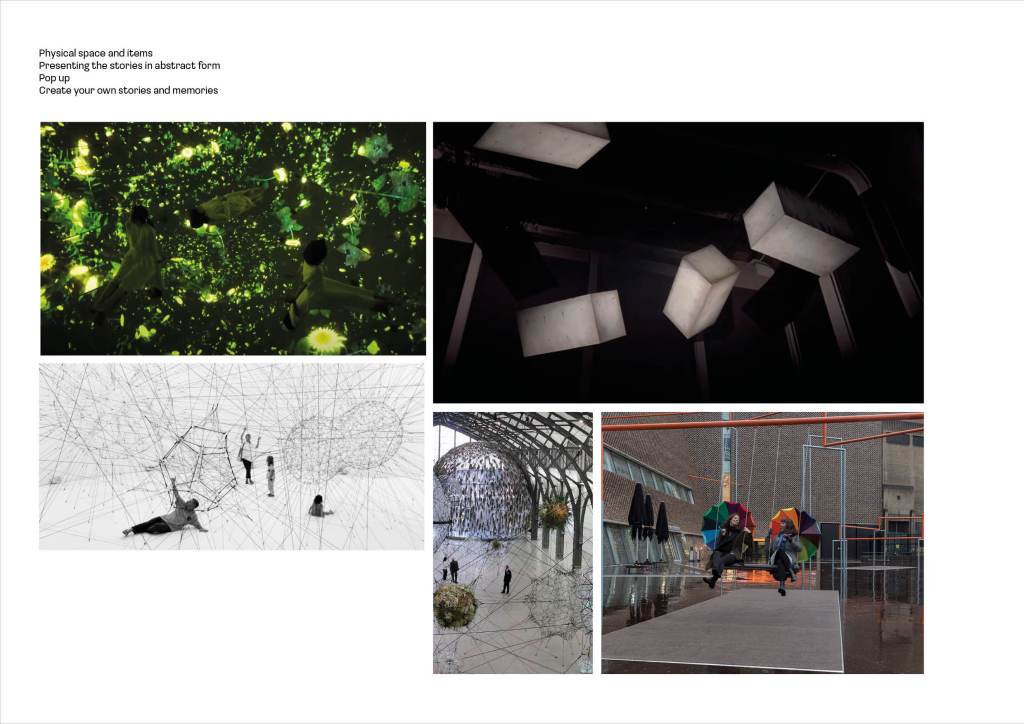
Introducing the use of senses. Museums need to look towards more tailored experiences, experience which might have multiple outlets to engage the audience.
Introduction of voice recognition – could this play a part in the future of collections? Voice speak and then show all objects within those given words
Museum of Scotland embracing multiple touchpoints to share it’s collection – games, stories, films, resources
3D printing. Print on your collection pieces from the card
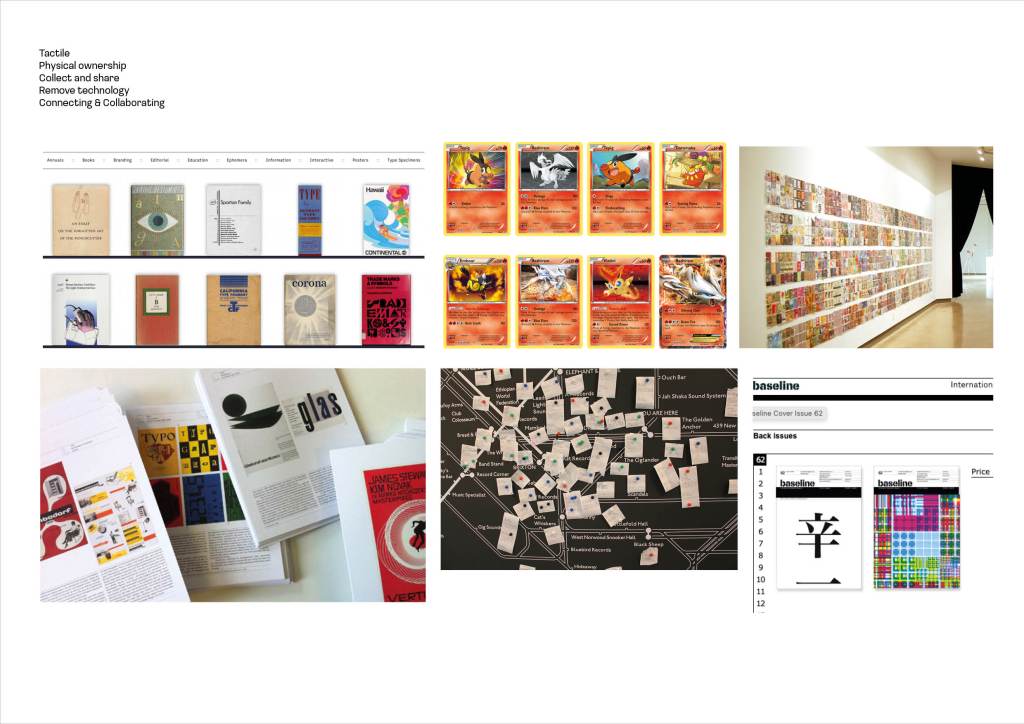
What do I want to achieve in this project – I want to create an experience which pulls on the excitement to ‘collect, build and share’ your own collection. This stems from the idea of collecting Pokemon cards (collecting them to discover there powers, stories and attributes) Can the object become there own set of cards which encourages discovery through play?
I want the solution to be interactive and if possible have an element of ‘print’ could more rare ‘objects’ be collected via a printed card? This unlocking other areas of the collection ( or does this defeat the point of allowing more access)
Focus on one section of the collection – Weather – Could this also become an educational tool for a larger subject?
– To enhance audience engagement through collection, sharing and interactivity
– Innovate your own collection
– Inspire others with your own collection
– Educate with your own museum collection
– To connect and personalise the museum experience
– Bring your interests to collect, share and inspire
– To put visitors at the core of the collection
– To let you build your own inspiring, interactive collection
– Giving everyone the access to collect, share and play.
– Explore objects, Connect with others, share stories
– To create an experience which allows for discovery, collection and sharing.
How I will address the strategy: The strategy outlined will be addressed and delivered using:
Evidence of how trends can be evaluated
Following good research, investigations and a tutorial I revisited the problem I was trying to solve. This distilled down into quite a few ideas which needed breaking down. Here I have got quote a few problems I want to tackle but can’t do them all within the given time frame to ensure a solid working solution.
Some of the main key problems I want to solve are:
– Solution to discover ‘hidden’ objects through stories new and existing.
– Gamification of the collection to allow for greater collaboration, sharing and discovery of the collection
– Educate a younger audience about the collection
– Allowing visitors to discover the stories of objects
– Allowing visitors to create their own collection through discovery
I need to work out which direction / problem to tackle as this will determine my target audience, process of developing a strategy and further key research. I think at this stage there is links between many which is good.
Main Focus – A solution to allow visitors to create their own personal collections | To discover new stories and link together objects within the collection – aim is to allow for greater exploration of the collections through finding out and discovering new stories. Technology will play a part but not be an overwhelming part of the solution. This may be explored through exhibition, print or digital means.
A solution which explores gamification within the collection to allow for a greater discovery of object stories.

Mission Statement:
The discovery and exploration of objects and their accompanying stories within the Science Museums online collection is an obstacle, with many going un discovered. With the digitisation of the collection continuing not just across the Science Museum Group but across many institutions, using this is a resource to continue engagement seems viable. Areas of the online collection such as the discovery tools (filters) lack a sense of excitement and personal discovery. With this in mind I aim to create a solution which allows the visitor to curate their own story led ‘collection’ through the use of gamification. This intent will encourage the intended audience to discover, collect and share object stories through digital and print means.
Talk about digitisation and how we aren’t connecting as much – this will help connect, collaborate with each other and no isolate us. – A solution which moves with the trends in technology but doesn’t introduce a new one to overwhelm – draws on the ‘nostalgia trend’ without compromising the solutions ability to encourage discovery.
what is the best way to communicate to the audience? In some instances (but not all) digital technology will be the answer. The question should never be; how can museums be more digital or how can technology help?
“Museums are also full of people, who bring their own stories with them” – https://www.museumnext.com/article/why-do-stories-matter-to-museums-and-how-can-museums-become-better-storytellers/
Final – Mission Statement:
The digitisation of collections within the Science Museum Group is a huge undertaking and is reflective of a practice being undertaken by all institutions responsible for the furthering of knowledge through the display of objects.This project aims to encourage a greater engagement in the stories of the objects within the collection via the means of exploration and discovery. Individuals will be invited to interact to create their own collection of items allowing for further sharing and visibility of items from the collection to a wider audience. With the opportunity of passing on the interesting narratives behind each object.
The action I am proposing will, I believe encourage the intended ‘family’ audience to discover, collect and share object stories through digital and print means.
Moodboards
Research
The AKC Museum of the Dog
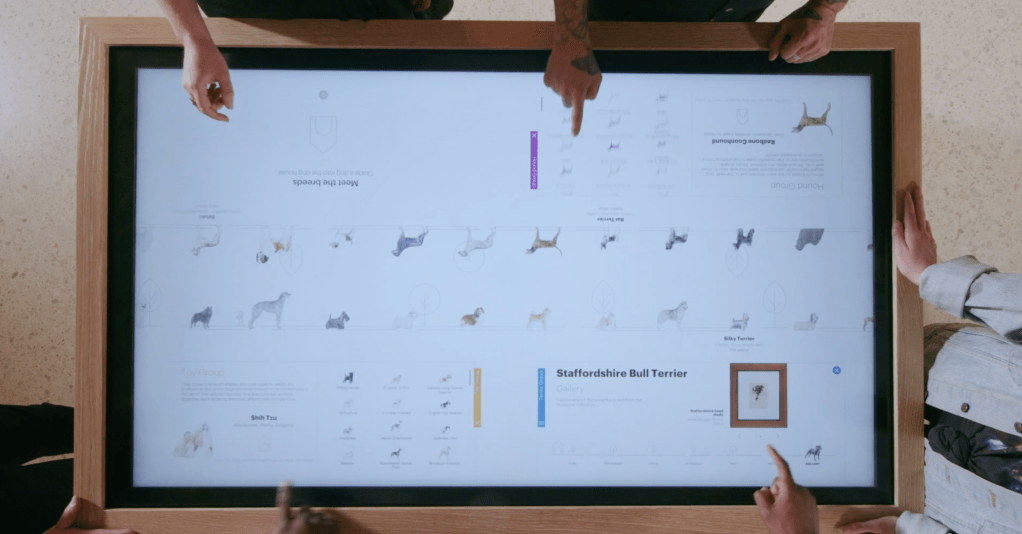
A mix of both hands on digital elements with ‘classic displays’ – The AKC has done something interesting here and almost merged two movements together, the one we are most commonly associate with museums, classic art on walls with a more emerging trend of interactive screens integrated into an exhibition.
A juxtaposition that works? I think it almost broadens the museums reach in terms of audience, giving multiple audiences the change to engage. With this emerging trend of tech within museums there will be audiences which won’t want to engage with this or won’t know how to (brain muscle can’t cope with this) so I applaud the AKC here for having a mix of both (if anything more of the traditional) This mix also allows for interactivity, conversation and fun to occur, changing the dynamism of the classic exhibition experience.
“Museums today are not just about seeing art. They’re competing against theatre, film, and other activities. To capture attention, there needs to be a compelling reason to come.”
— John Bricker, creative director, Gensler
The Pen Experience
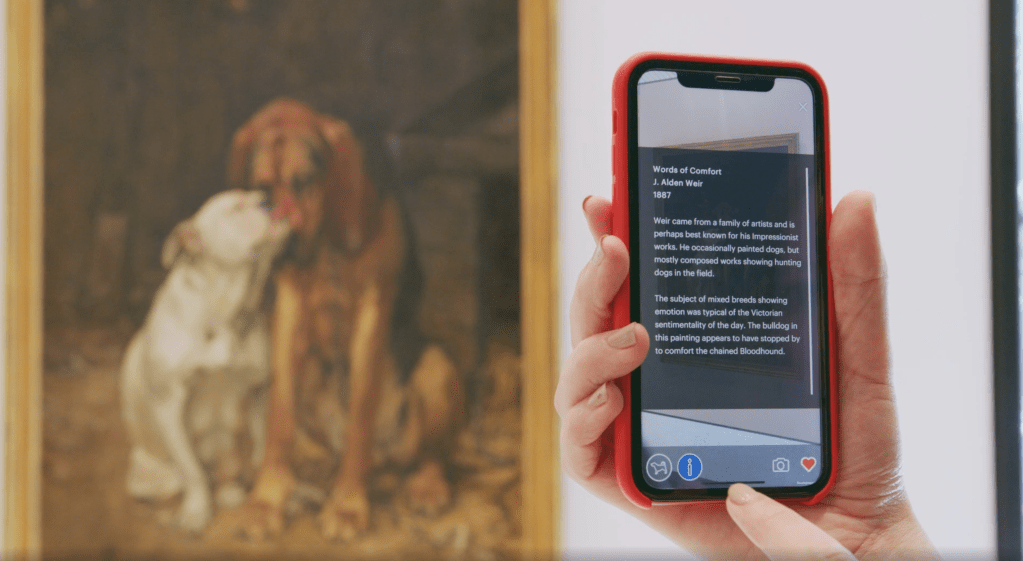
Cooper Hewitt – The Pen Experience. Turning the exhibition experience into your own experience. The Pen Experience gives visitors the chance to collect and save elements from around the exhibition. Once you have collected your objects you can transfer them to tablets to view more information about them. While researching around ideas for my project this really connected. I want to create a solution which potentially allows visitors to create their own collection from the Science Museum. The project encapsulates that want and excitement from the visitor to ‘make their own’ ‘share their findings’ ‘play’ and ‘collaborate’ with each other.
So how can I create a solution which looks at the idea of ‘collecting’ and this idea of sharing information with each other. We all do this daily through text messages which are then stored in our phones, we can filter them, look through them, quote them. How can the archive be used in a way which enables further discovery and exploration?
Axiell Online Collections – Talk on what could be expected in future collections
Within the talks a few points were raised which need to be noted in terms of the future of online collections, what institutions need to do with them and what we can expect.
Takeaway Points:
– Continue to be about the end user
– It needs to be accessible
– Is there opportunities for collections to be in multiple places rather than just the museum website.
– Creating tailored experiences
– 3D scanning – How can this be utilised
One of the points which stood out for me was ‘creating tailored experiences’ With most museums opting for online collections (via their website) is there space for collections to be ‘something different’
What are Archives – Tate
Takeaway points:
Archives are a capsule of history
A witness of tools and cultures
Archives are living
Allow you to delve deeper into stories
Digital archives can reach global audiences
Allowing people to share their stories on objects – almost creating their archives within the full collection
Adrian Glew, Tate Archivist says “No longer does one have to necessarily visit an Archive, although it can be important to do so as you can get a different sense and feel of items”
For me this brings up questions around are we doing it because the technology is there? I have always felt there is an air of mystery around Archives and the want to always find out what’s inside. The digitisation of archives is a process which is positive as it almost captures collections again and allows for a wider audience, potentially global to view the collection. This leading to greater exploration, discovery and education within certain areas.
But if we think about objects which are tactile or have moving parts how can we make sure that this isn’t lost when they go digital? Is the capturing different. Is it supported with films and sounds of the objects so all can access and feel the history of the object?
How can the solution I develop, create an experience which encourages further discovery through the senses?

Tutorial
Key takeouts from tutorial:
What is it I am trying to respond to?
Element of gamification
Am I trying to create new connections within the collection?
Is it about the audience finding out about other objects through objects
Technology – Don’t get stuck up on what’s currently happening within museums (slightly outdated)
What am I trying to solve (Go back to the problem)
Am I trying to engage a younger audience?
Is there something within exhibition design?
Am I trying to educate
Look at: Science Gallery – London
Weekly Critical Reflection
What went well
Continue to work on
Prompts for next week:
 James Shaw