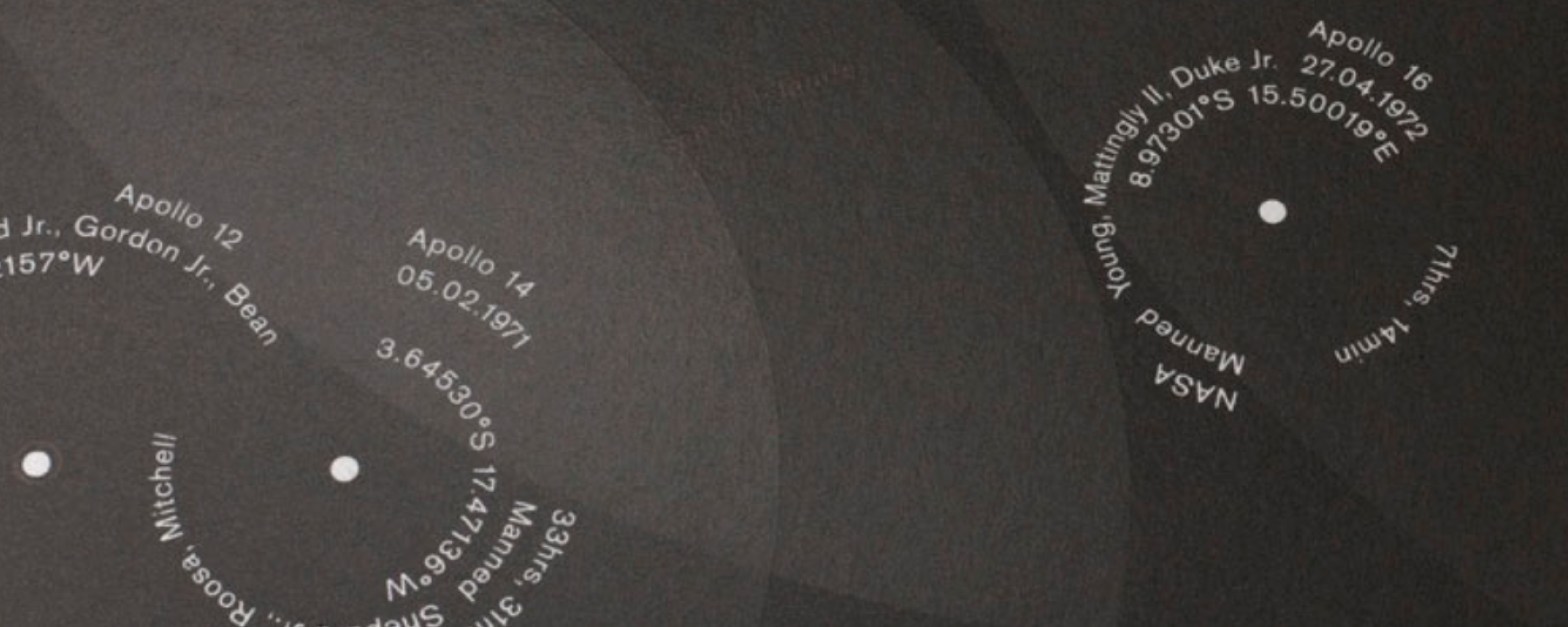
Lecture Comments
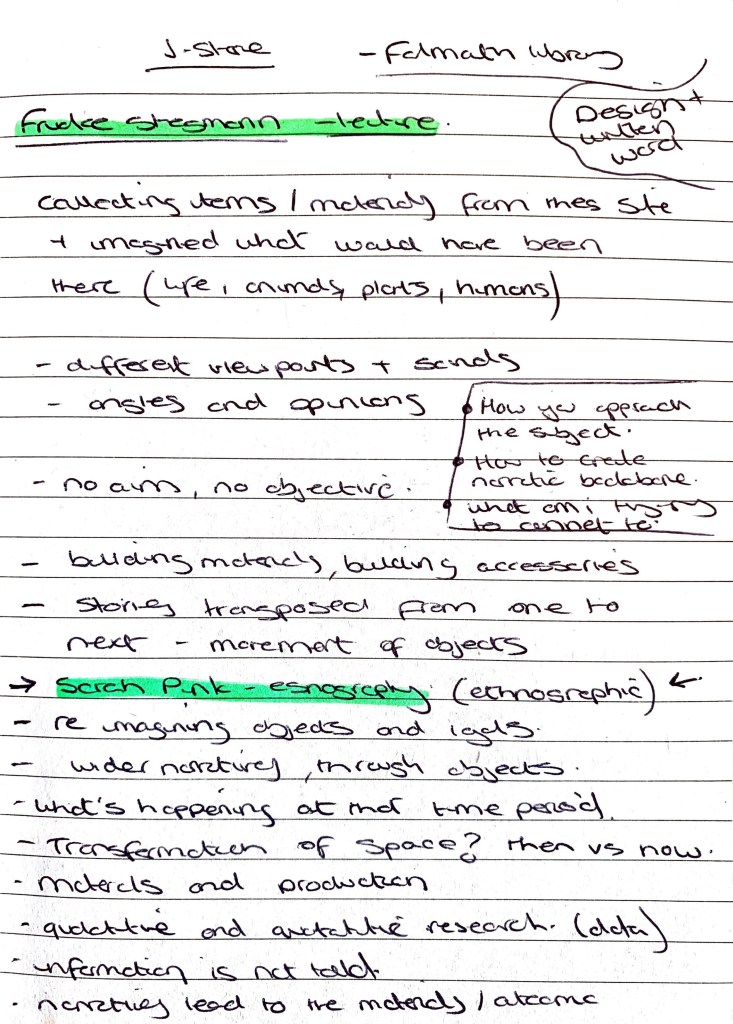
Design Development
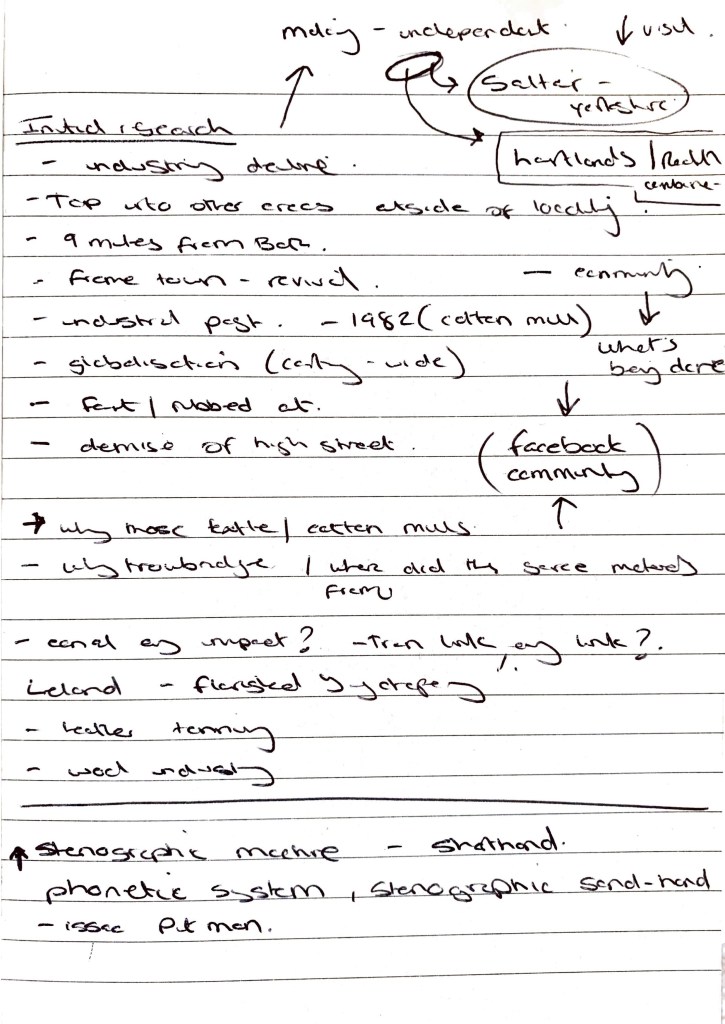
Initial thoughts on a few stories / routes for research
Throughout the course so far we have looked into your geographical location a few times, each time I have discovered a new story.
Two which have come up a few times are the cotton industry within Trowbridge and Founder of Shorthand, Sir Issac Pittman. Trowbridge as outlined multiple times is a town which is struggling financially, and if we look back could the cotton industry and its decline / closure within the town have been the start? Today the mill’s which once created fabrics etc are still standing… Does this give us a viewpoint of what the town was, is and could be (community led)
On the other Hand there is a fascinating story around founder of shorthand, Issac Pittman? Founder of the phonetic system, Stenographic Sound-Hand (UK’s most used shorthand and 2nd in US)
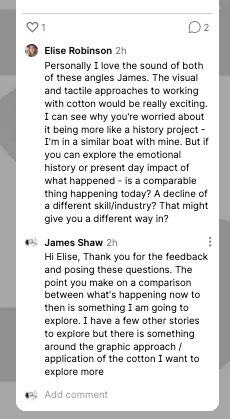
Feedback from ideas wall
Elise pulls out the tactile and and visual element to the cotton industry, helping potentially aid the output of the 3000 word article, but this also giving the opportunity to discuss the application in relation to design?
Elise also makes a great point on seeing what might be happening in the town today? Which may be similar to what happened back then? Is there a skill/industry which is flourishing still within the town?
I have done some initial research and a industry which was and still is successful within Trowbridge is mattresses for bed, with Air-sprung having there headquarters here – could this be a route to look into further as well?
Dissecting idea #1 (below)
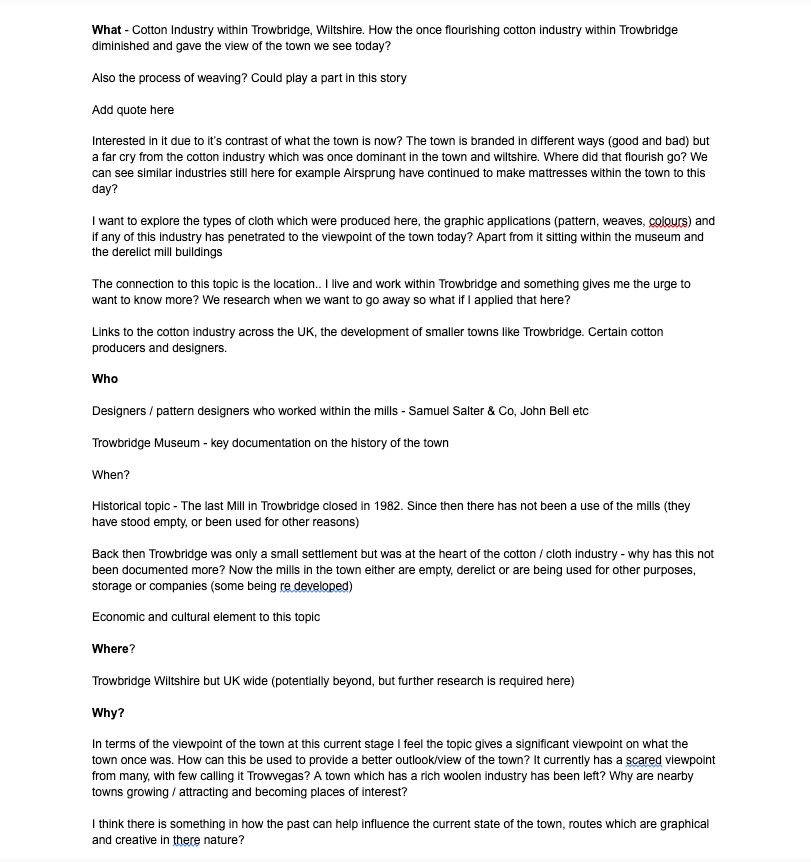
Found Research and routes to discover
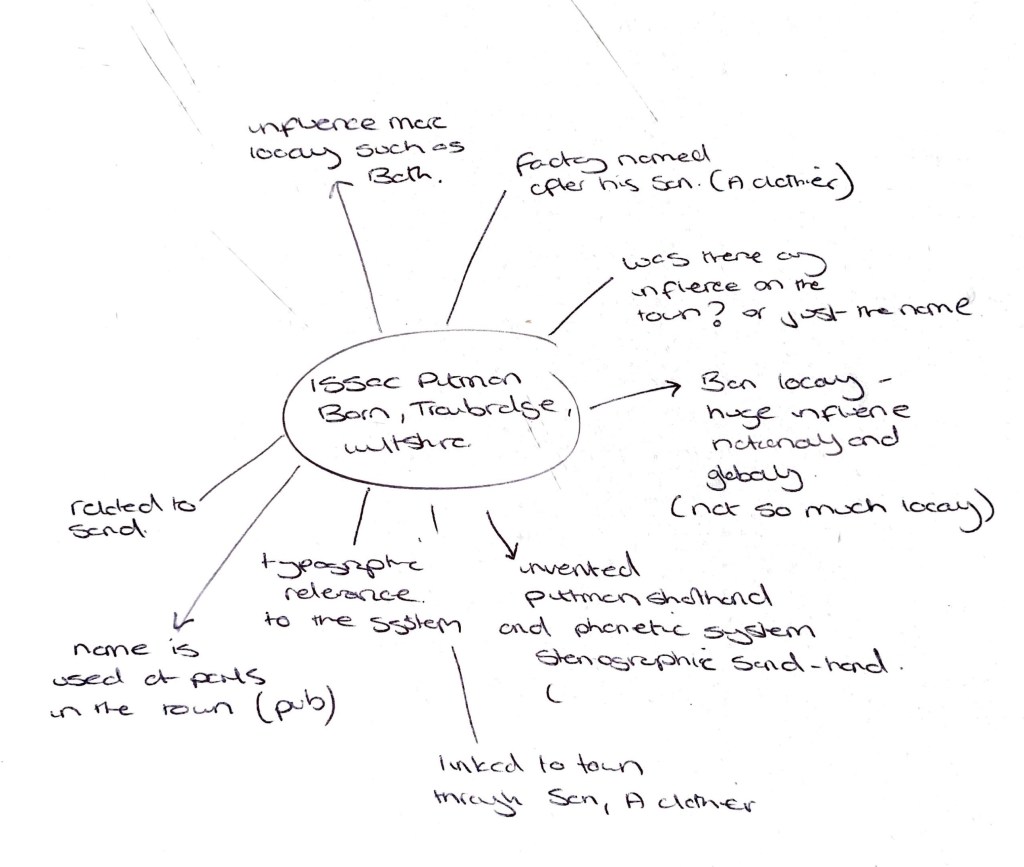

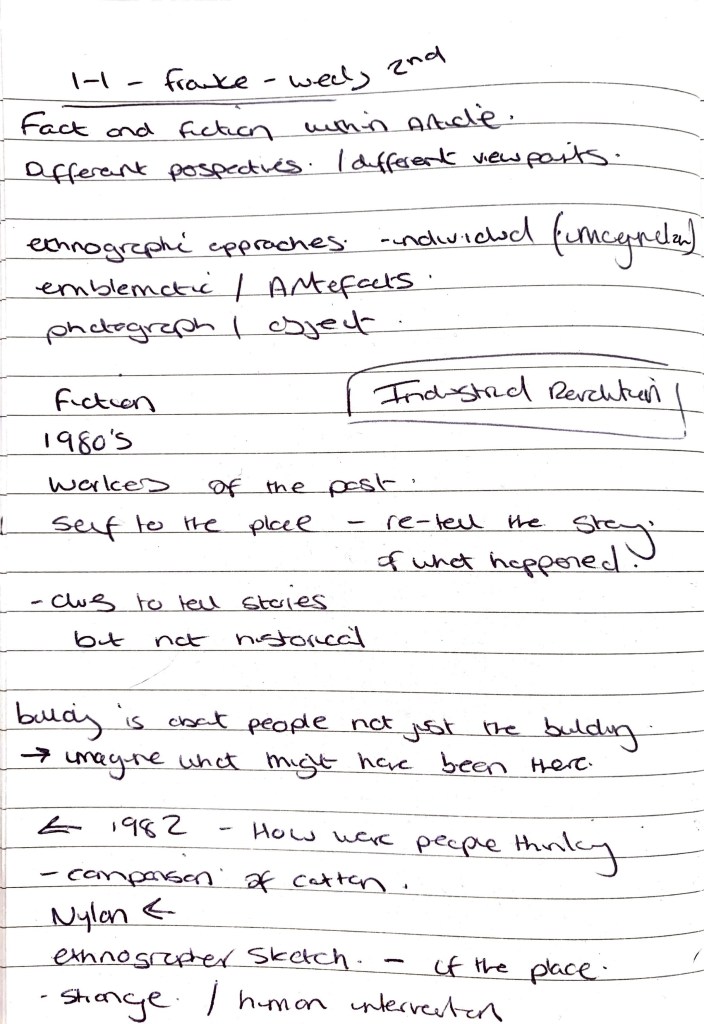
1-1 with Frauke
Wednesday 2nd 1-1 with Frauke.
Discussion took place about 1 of my areas of interest for my article. I was worried it may be to historical but Frauke opened up a range of new questions to ask in relation to this.
Instead of just looking back at the cloth industry within Trowbridge, We discussed visiting the buildings which still stand, take in their surroundings and almost place yourself in that place (back when it was open)
What materials? What objects, What textures? What was there.
How did workers feel and work within that building? Any clues?
Visiting existing mills within the town (Ethnographic research)
Home Mills (shown below) operating between 1862- 1982 was the last operating mill within Trowbridge , there was at-least another 20 within the town.Today it has been transformed into a museum celebrating the towns history and the mills once operating textile machinery.
Feeling on entry to the mills – Dark, large scale and industrial, not somewhere where delicate and national fabric would have been produced.
Smell – You could almost smell it was an originally a working mill? That used, worn wood and operating machinery.
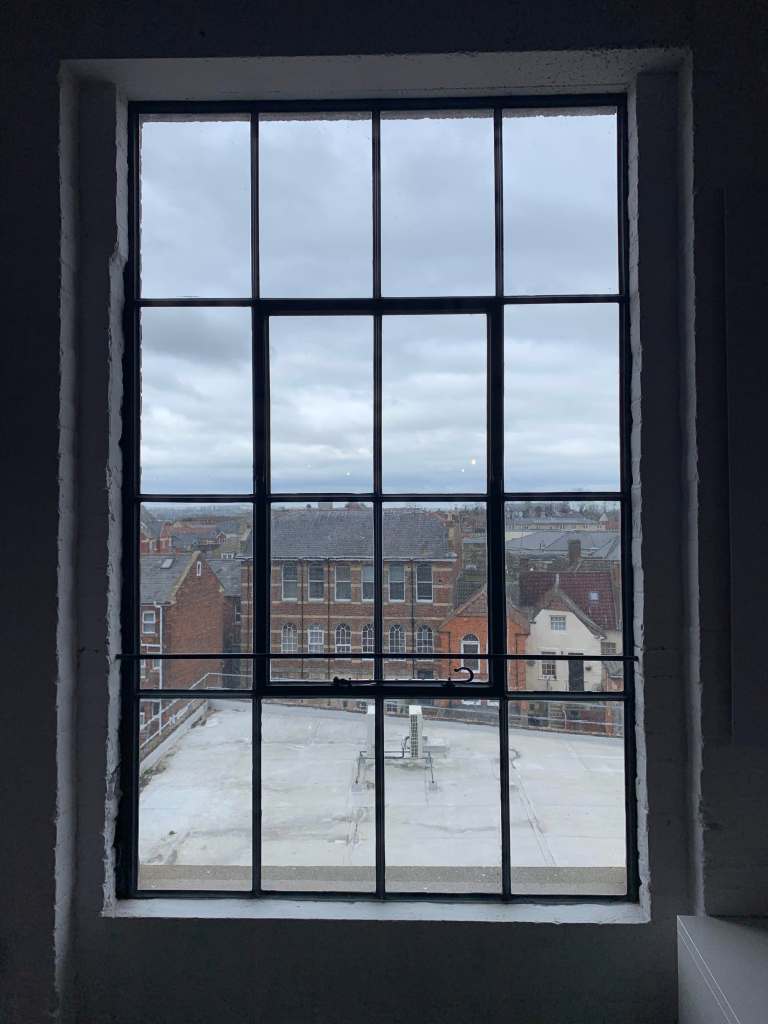
See – Large rooms, imposing machinery, large windows and strong structures. This was built to last and take the heavy machinery
Machinery still existing – Initial thoughts – how did they use them, scale, industrial vs delicate.
Summary – Industrial, Mass, Quality, Hard Working.
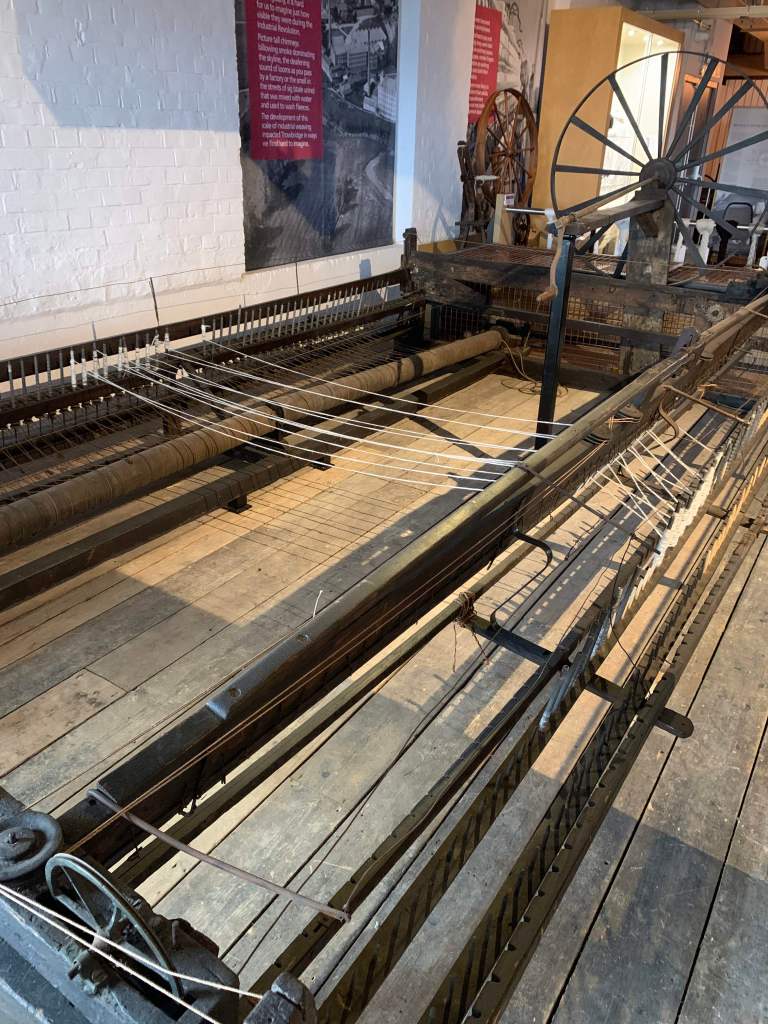
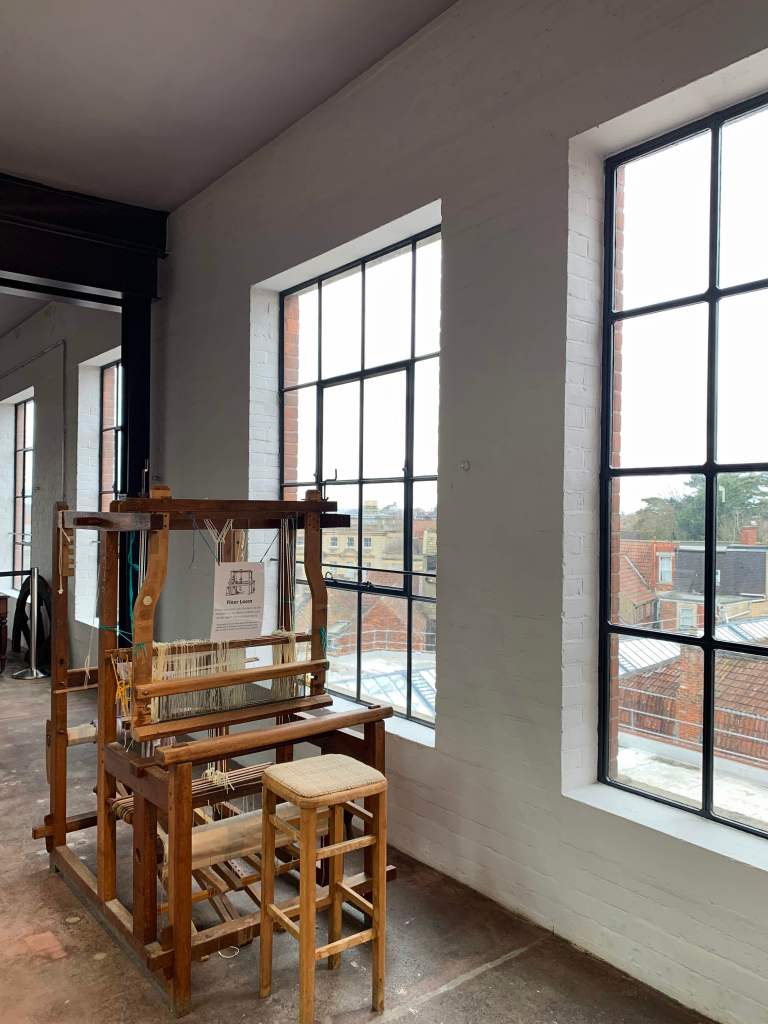
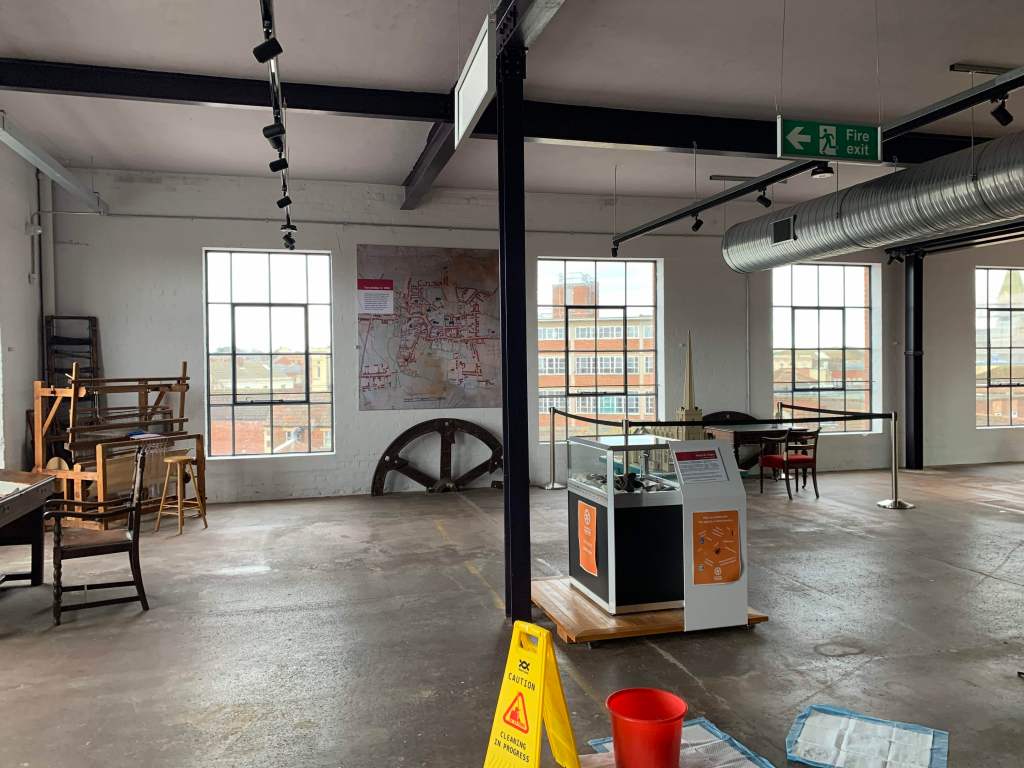
Grids / Design / Pattern / Shape / Type
Systems, movement, pace, repetition. You get the feeling the process was meticulous, fast paced, grid based to make sure the quality was the highest. Grids/type/pattern evident across the museum and in the fabrics produced. Could this be the lead for the story?
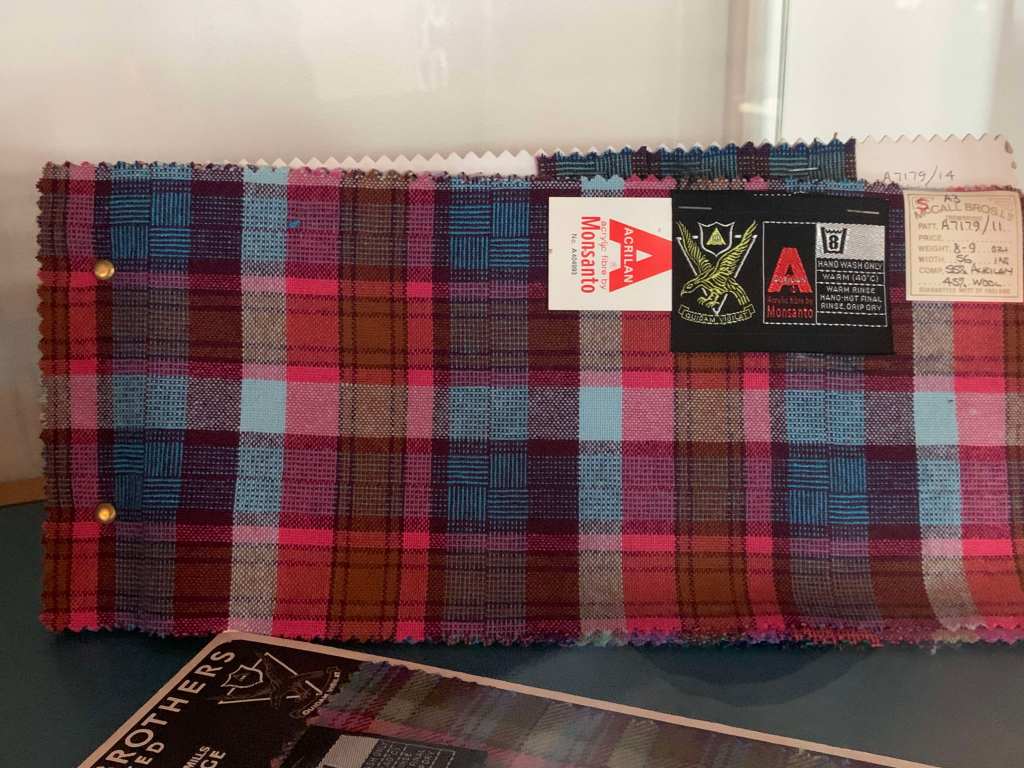
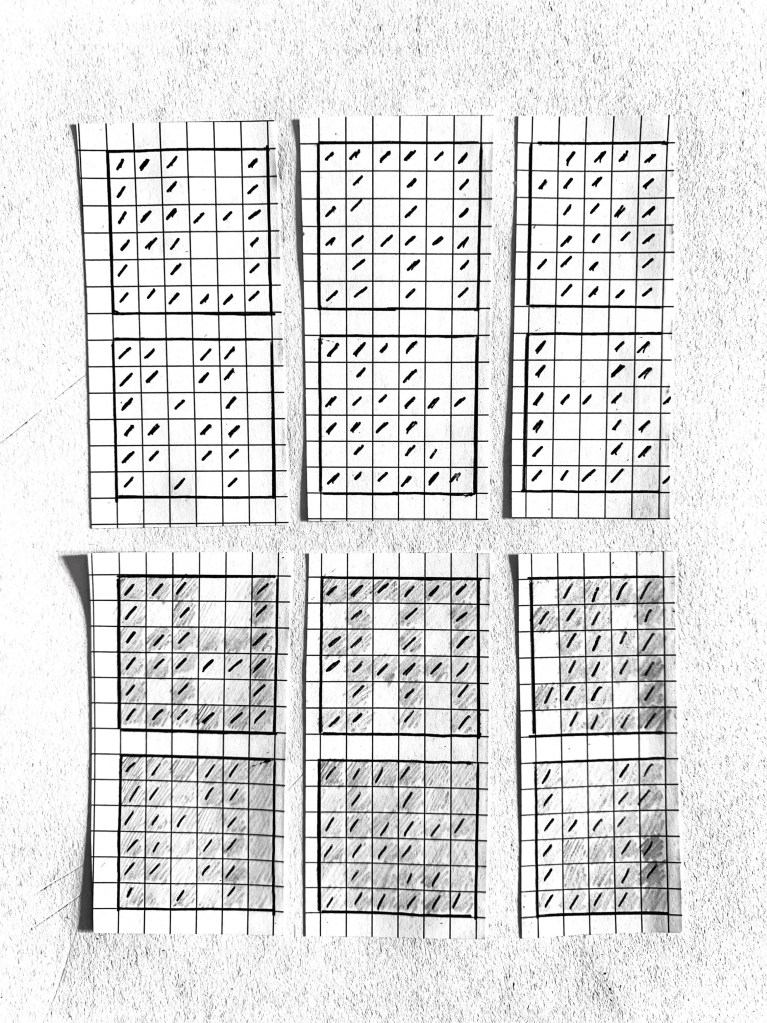
Patterns were colour on paper (no time for full design process)
A worker who was repeating, designing and not knowing where that fabric might end up?
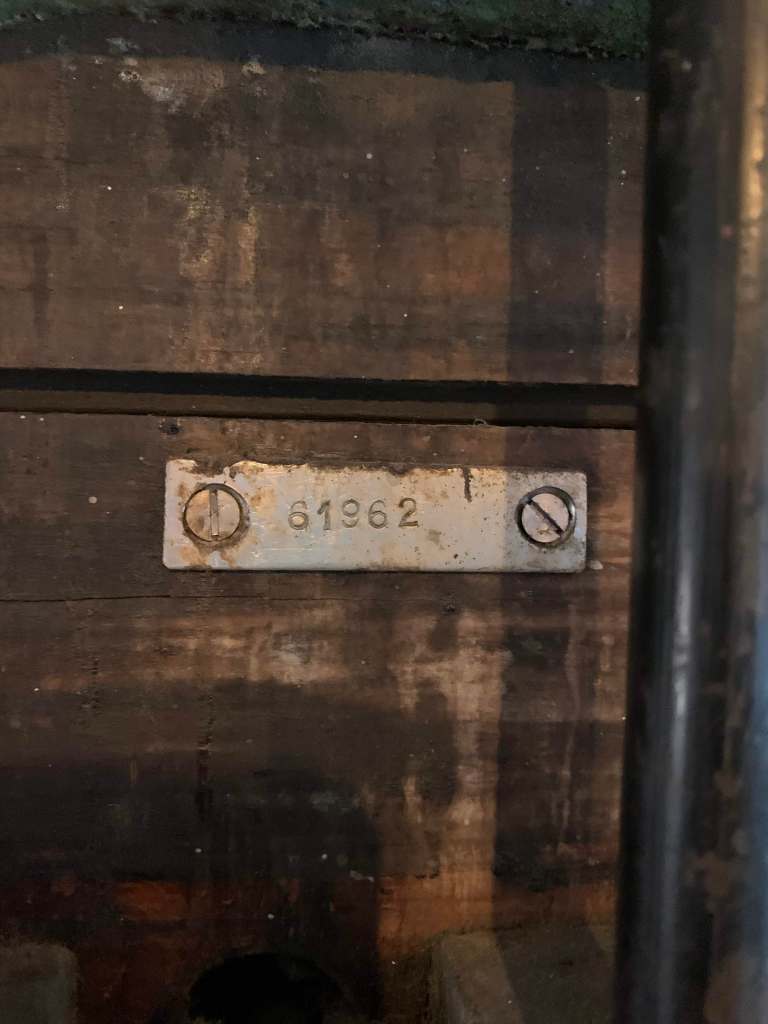
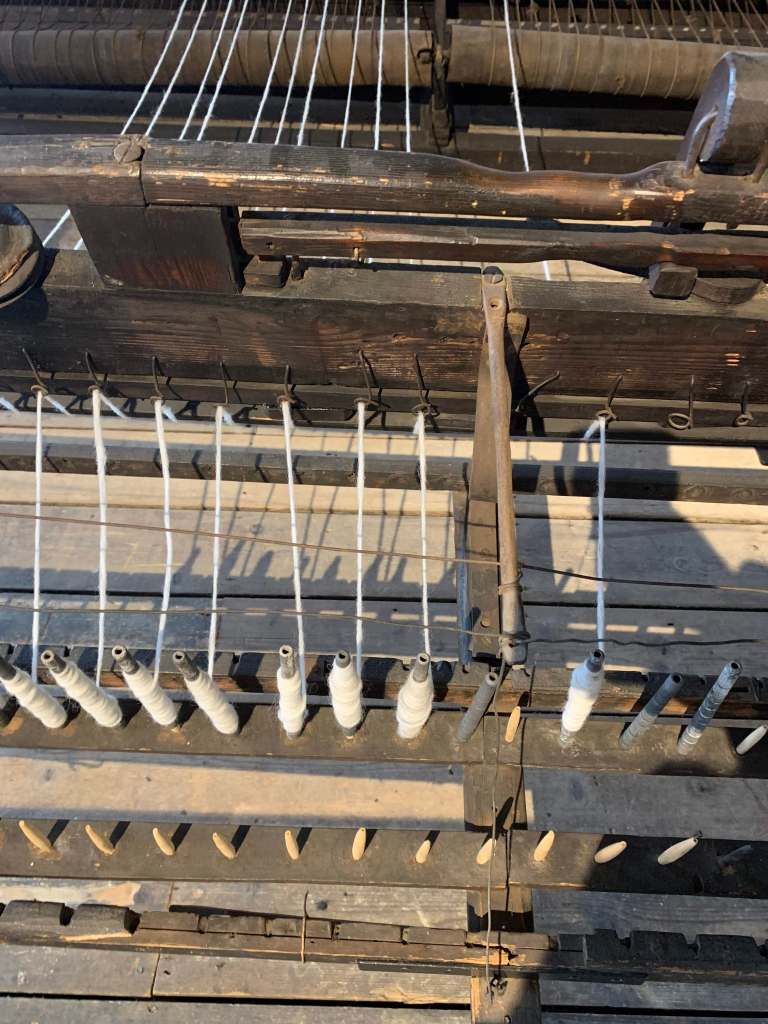
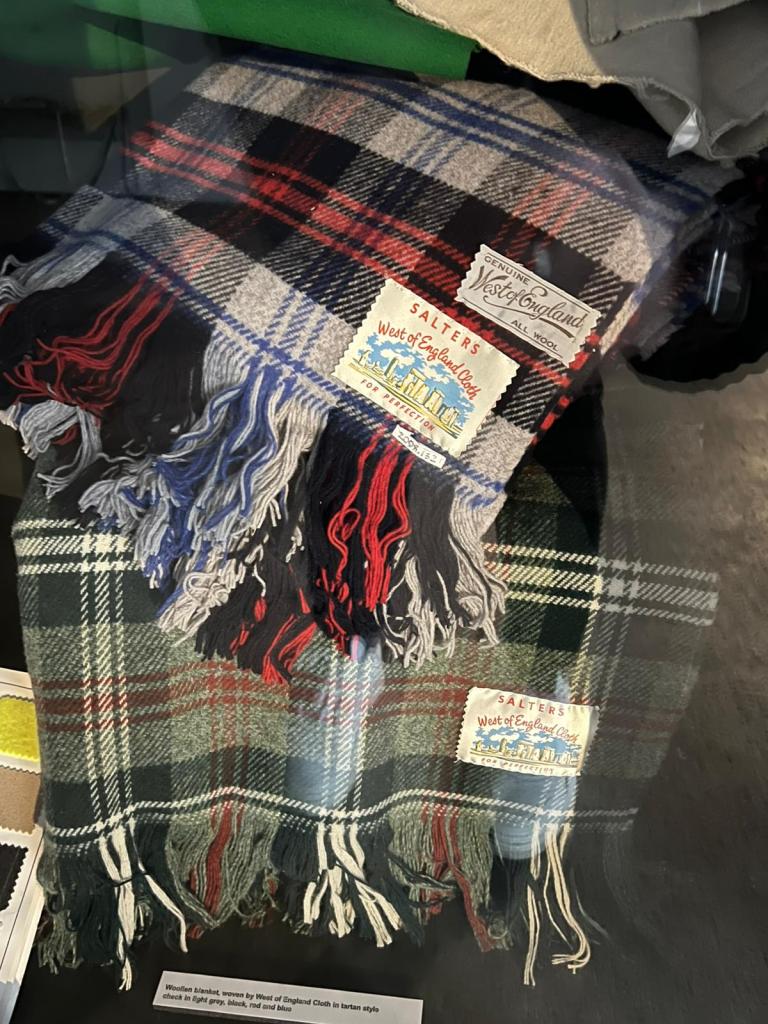
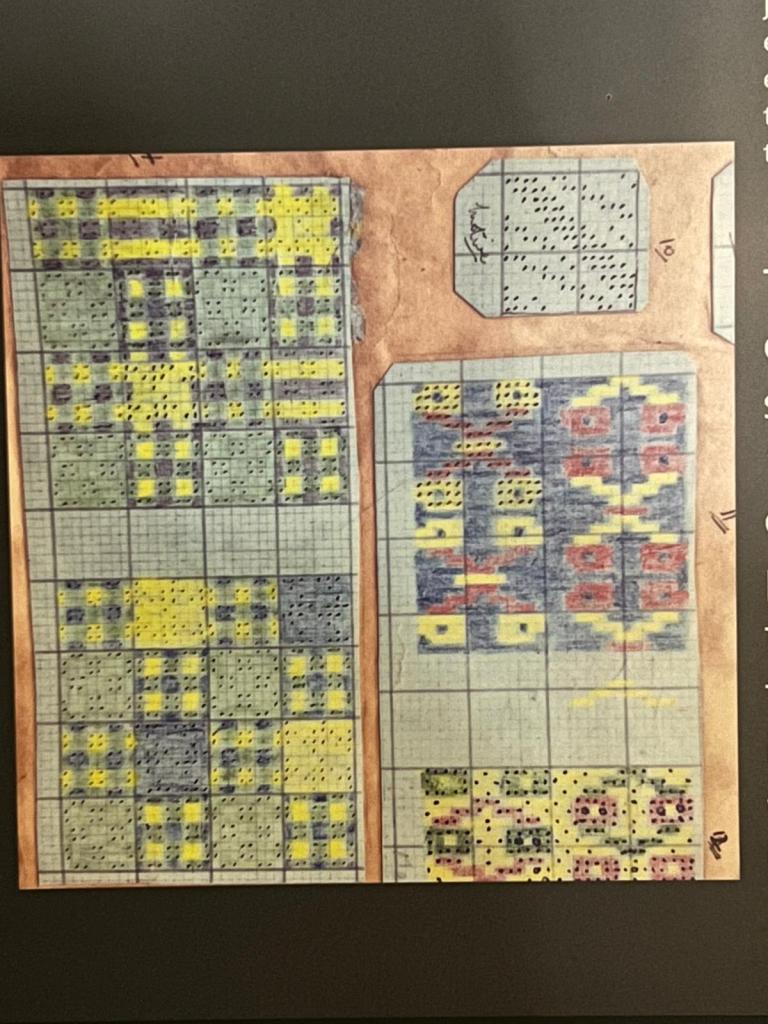
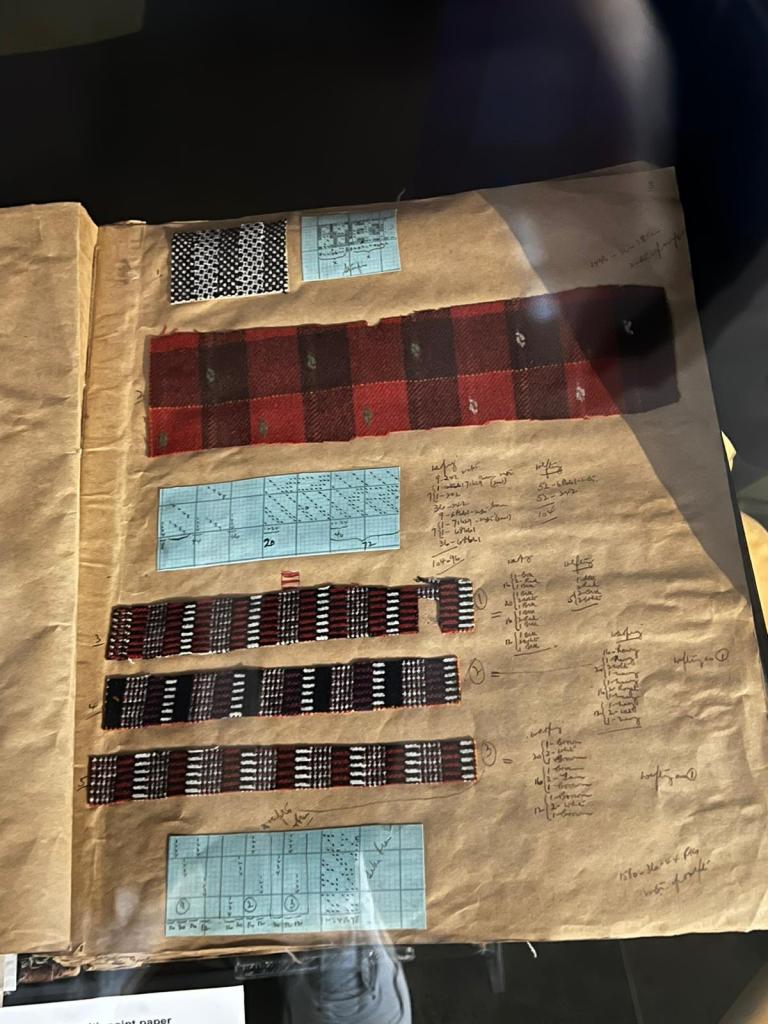
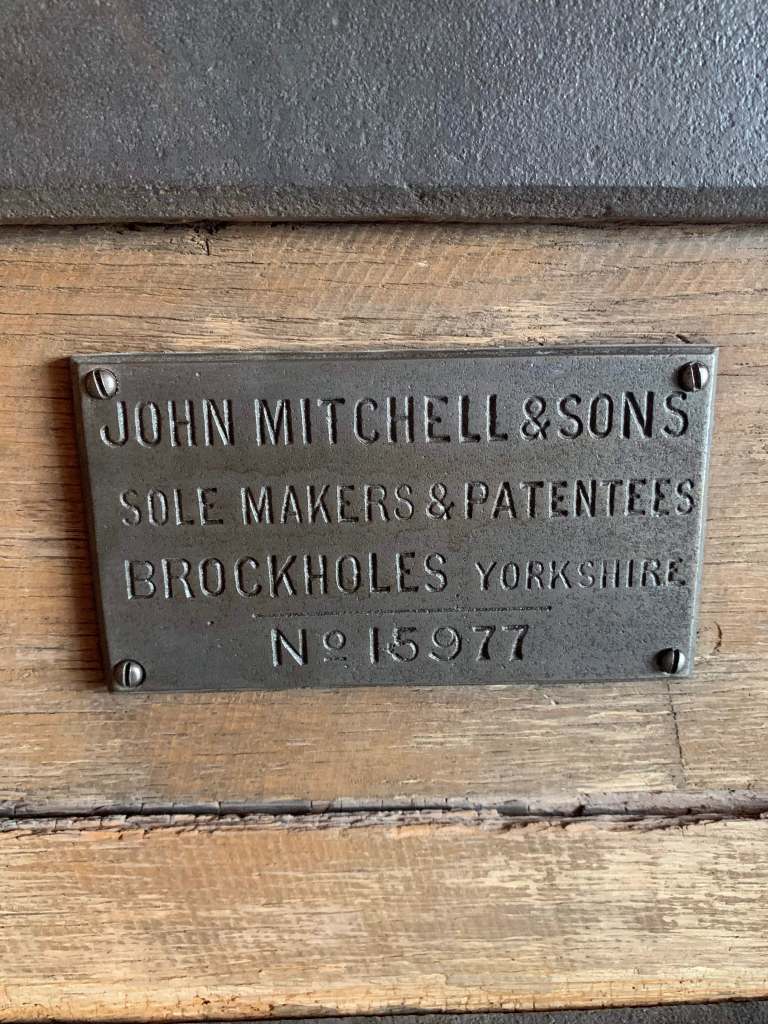


Idea #1 – Paper to Cloth
The woollen cloth industry once thrived and flourished at the heart of Trowbridge until 1982, when the last mill, Home Mills, closed. However the mills still dominate the area and tower over the town, with their stories captured within the structures. Craft is at the heart of this proposal, focussing on the creative and cooperative aspects of these mills, in particular how the cloth was produced within the industrial and fast paced setting. A delicate, woven textile with patterns designed by hand, on paper. Can the exploration of materials, structures and processes capture this town’s once flourishing creative past and invite us to discover new stories and conversations.
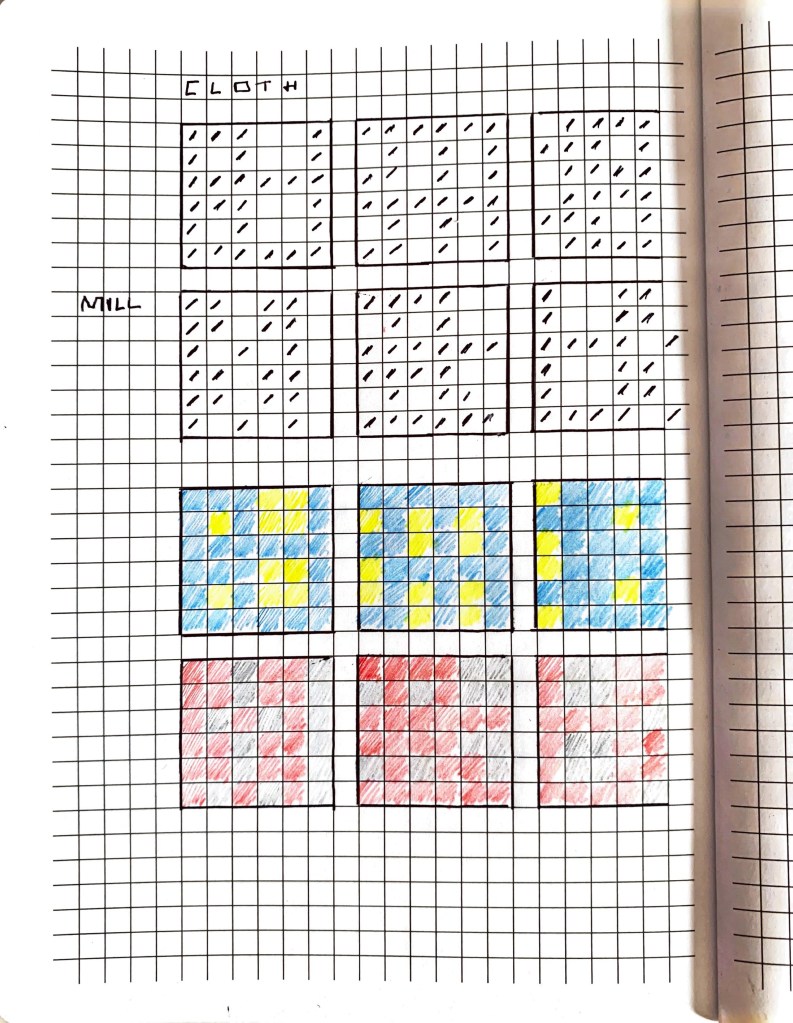
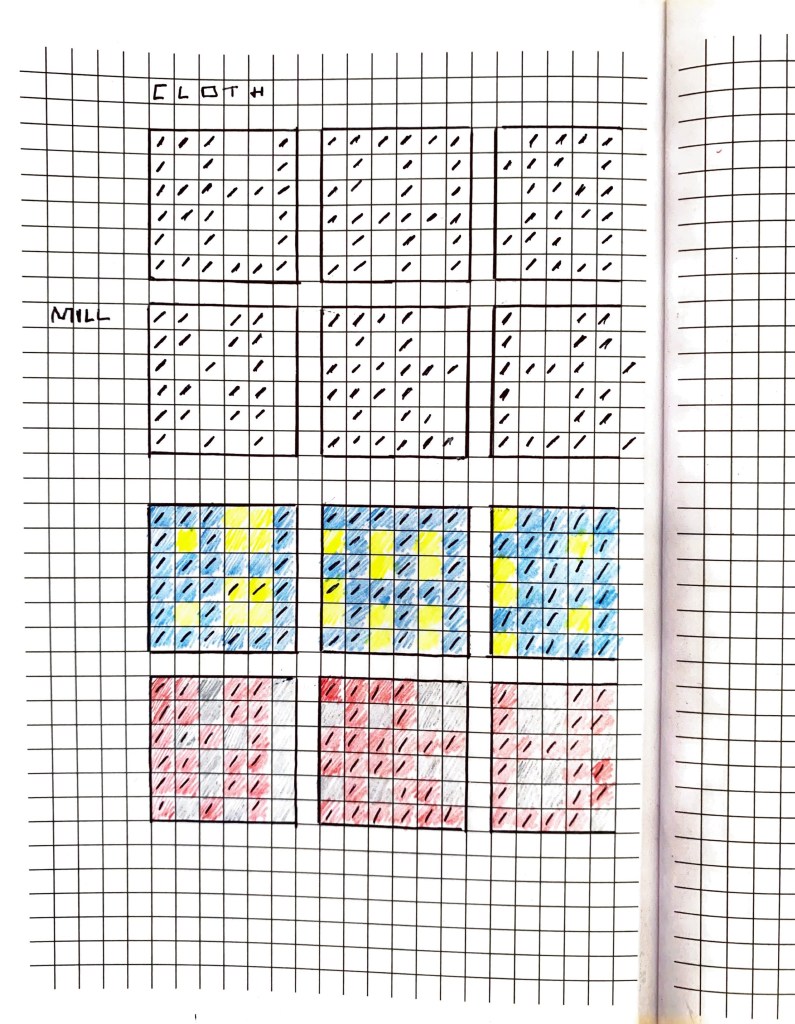
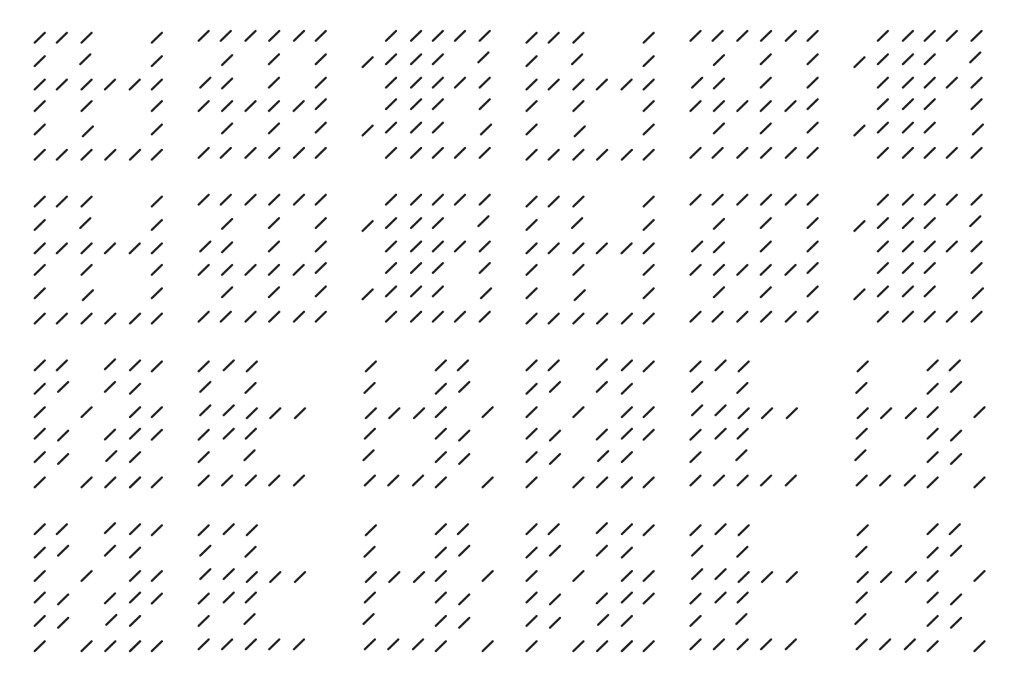
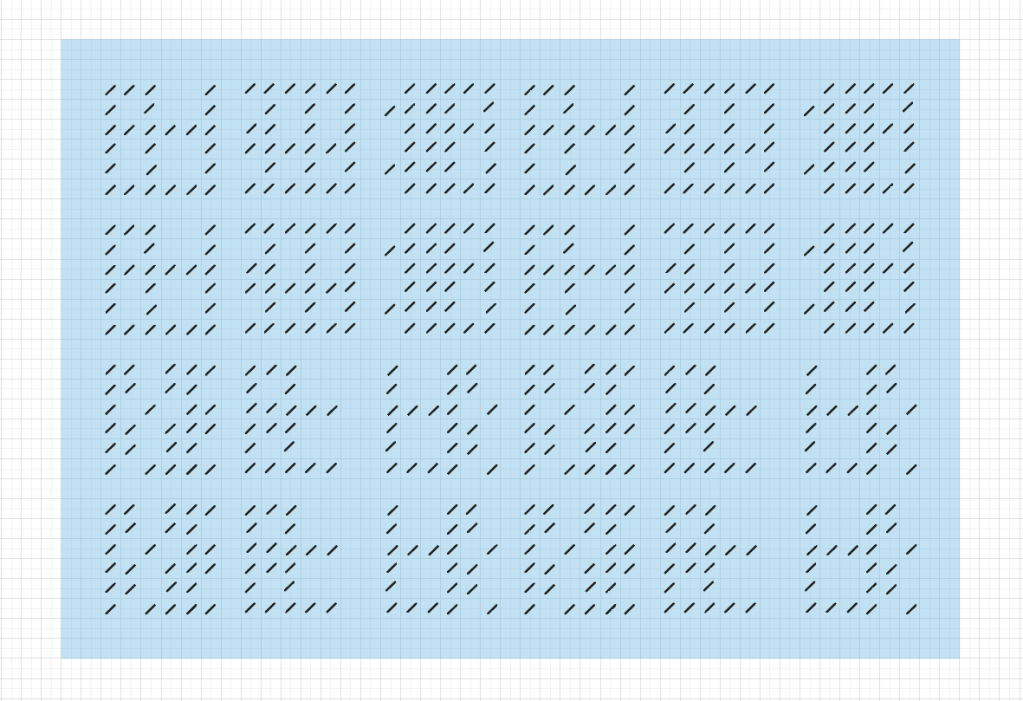
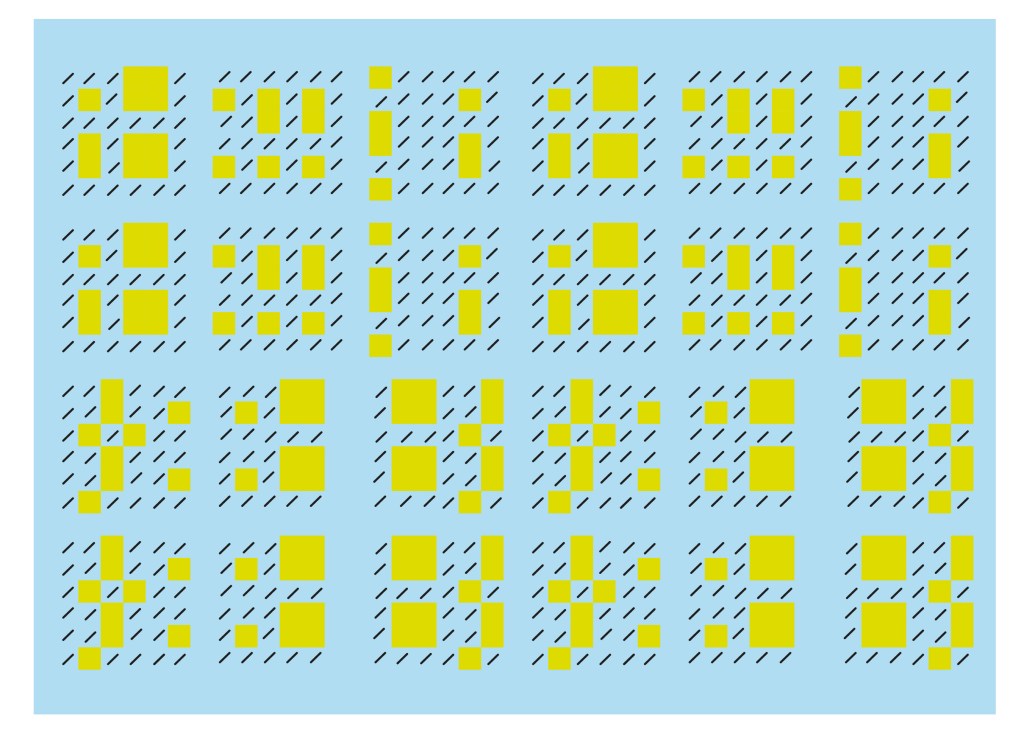
(Below) Initial sketches for supporting imagery for idea #1 – Paper to Cloth
Taking grids from the windows and items found within the museum (old mill) to create a graphic for paper to cloth. Visual inspiration from original patterns created for cloth within the mill. Graphic system pushing through into a typographic device. Could this be moved into working with textile / fabric?

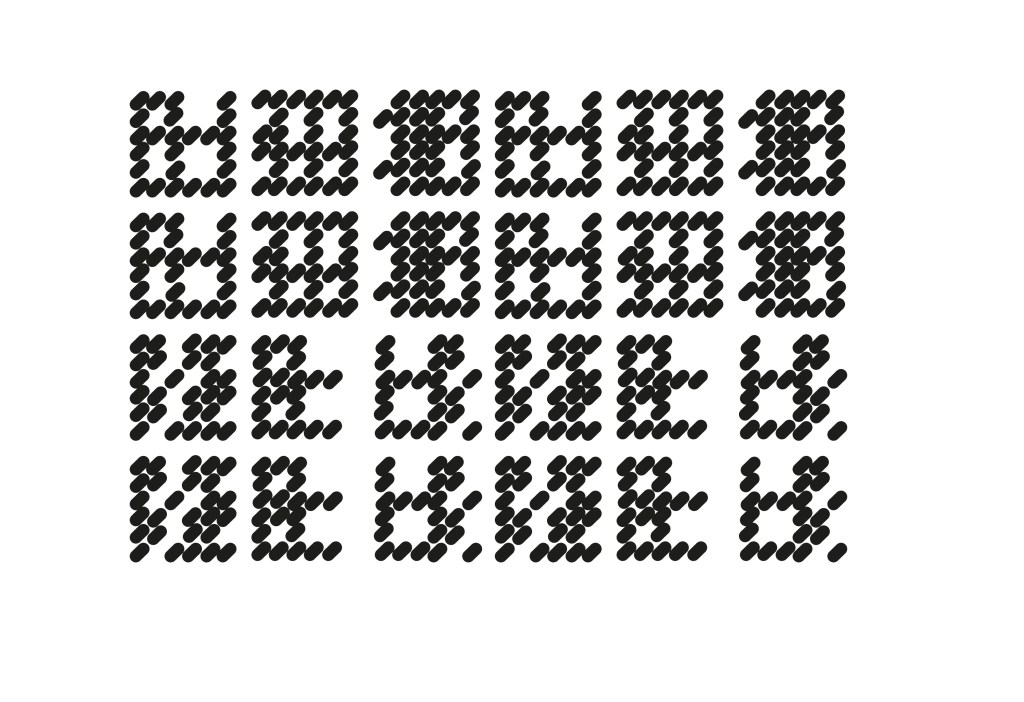
Idea #2 – Pittman & Shaw
Sir Issac Pittman, creator of Pittman Shorthand and the phonetic system, Stenographic Sound -Hand. When I first discovered he was born in my current location I felt an instant connection? A connection to his journey and his creative discovery between marks and sounds? He was known in Trowbridge as ‘The Trowbridge Man’ but why? He was only born within the town… and later moved away. Was the impact he had nationally and globally through his creative developments something Trowbridge wanted to be recognised for. Within this proposal I will take myself on an ethnographic journey to discover the development of Stenographic Sound-Hand and how a local man went on to create such an impactful system.
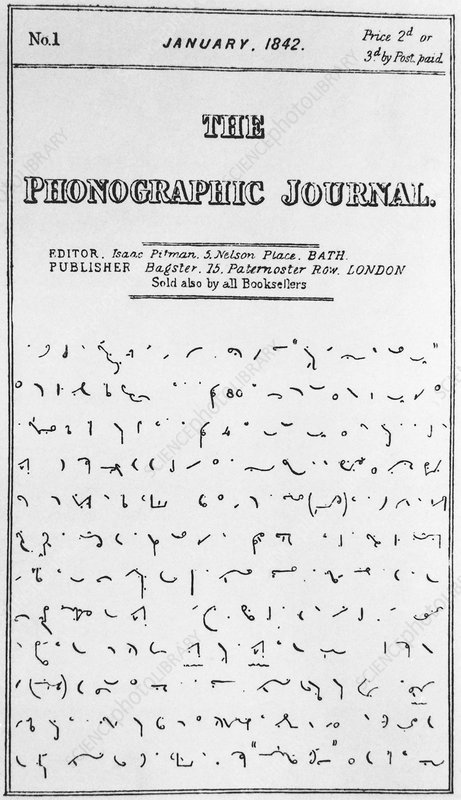
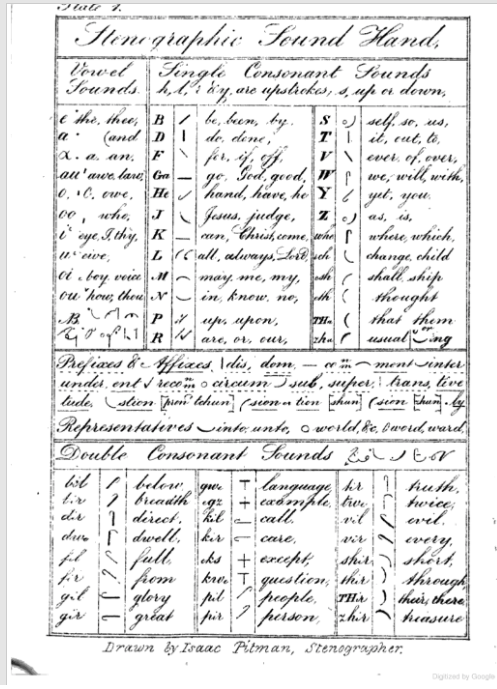

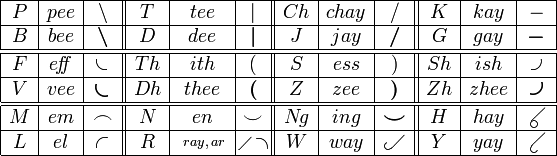

Research
Trowbridge Museum
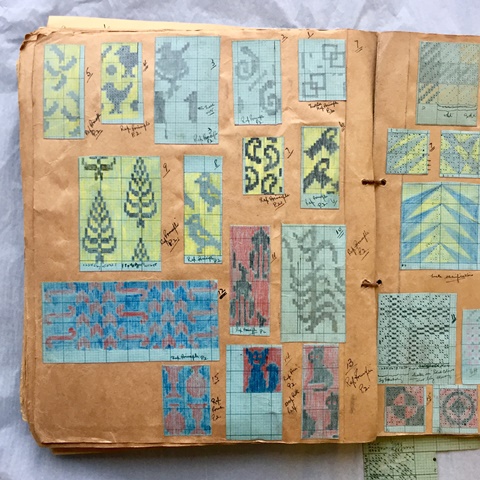
Visuals from Trowbridge Museums archive of cloth patterns designed in Trowbridge. A rich and visual piece which shines a new light on the creativity in the town? Can these provide a new view of the town? Currently within the Museum but how could they play a part in reviving the town?
Audience research – Facebook (Historic Trowbridge page)


References
1.file:///Users/jamesshaw/Downloads/Trowbridge%20(5).pdf
2. https://www.bath.ac.uk/corporate-information/pitman-collection/
3. https://books.google.co.uk/books?id=DkcEAAAAQAAJ&printsec=frontcover&redir_esc=y#v=onepage&q&f=false
4. https://www.bbc.co.uk/news/magazine-34603886
5. https://en.wikipedia.org/wiki/Pitman_shorthand#/media/File:Pitman.png
 James Shaw
