Lecture Comments
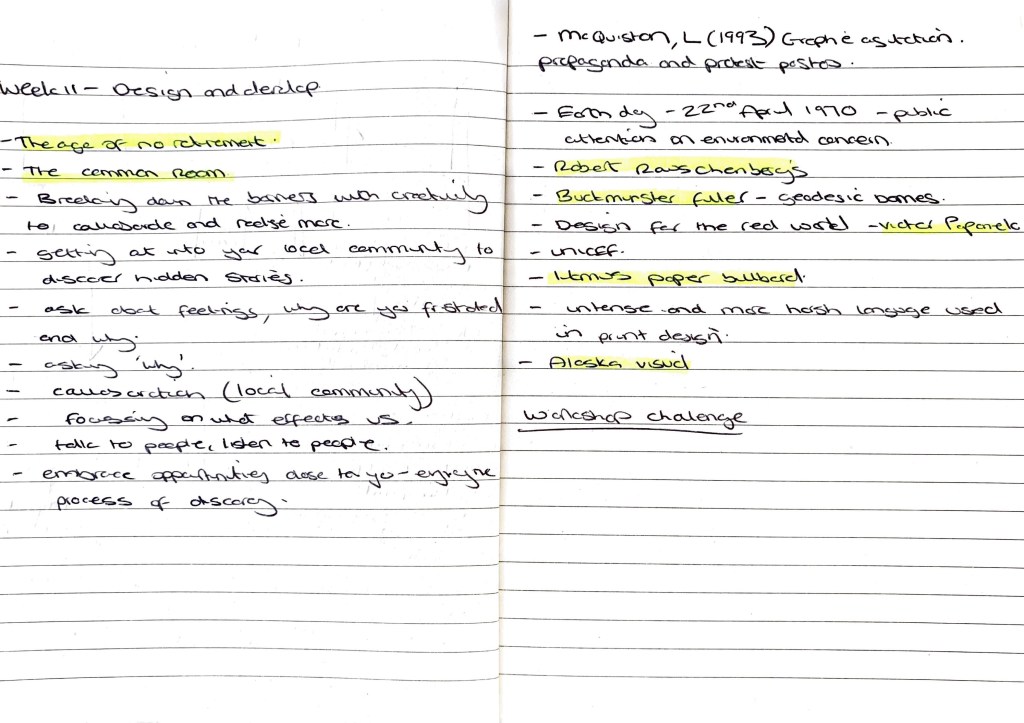
Design Development
Chosen Workshop Challenge: Option 2: Conclude your own service design project, which you outlined over the last two weeks.
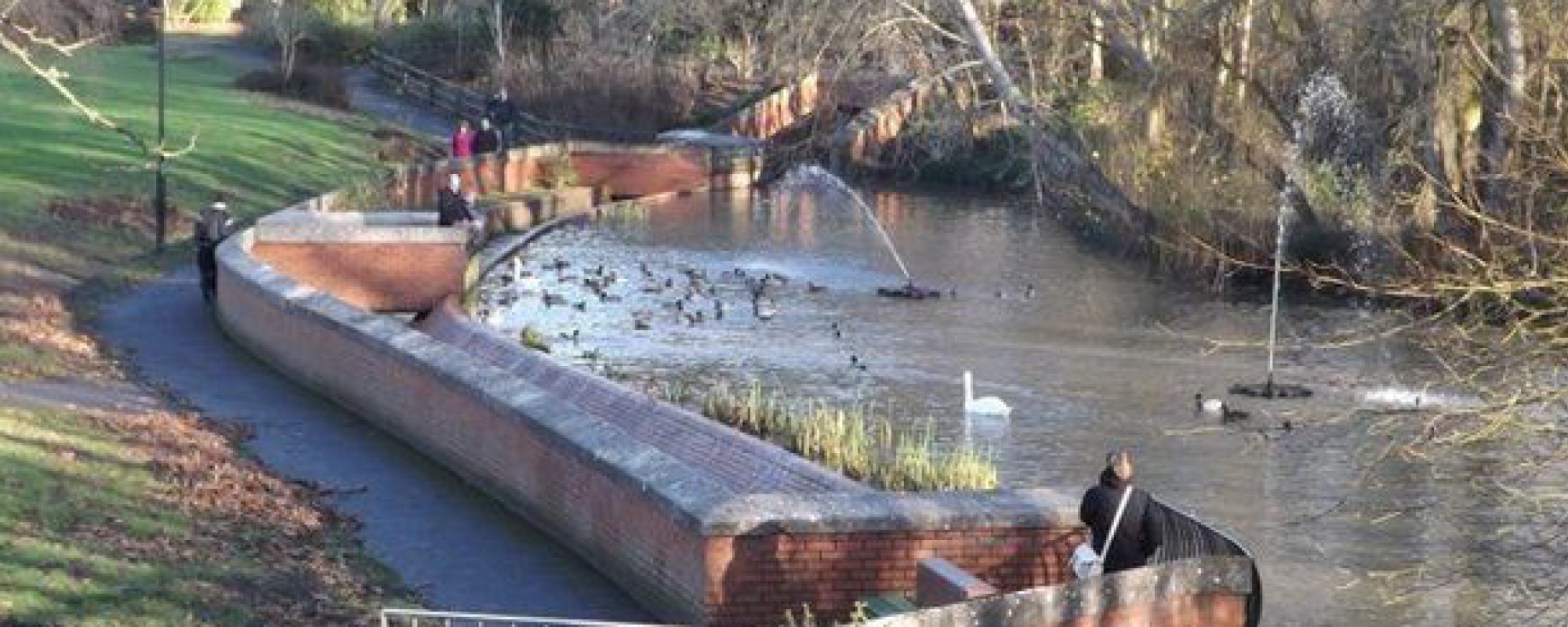
I have chosen to focus on my own design challenge this week. The reason for this is the research I have undertaken over the past couple of weeks had uncovered a real desire to engage and create something within this defined area. The pond is a simple / mundane place / object / space for some but I feel it’s being under utilised and left un managed. A habitat such as this should be a high priority within more urban areas. This allowing for more wildlife to take residence but also for the local community to be able to engage and understand the importance of these spaces.
Ideas around how to tackle the project:
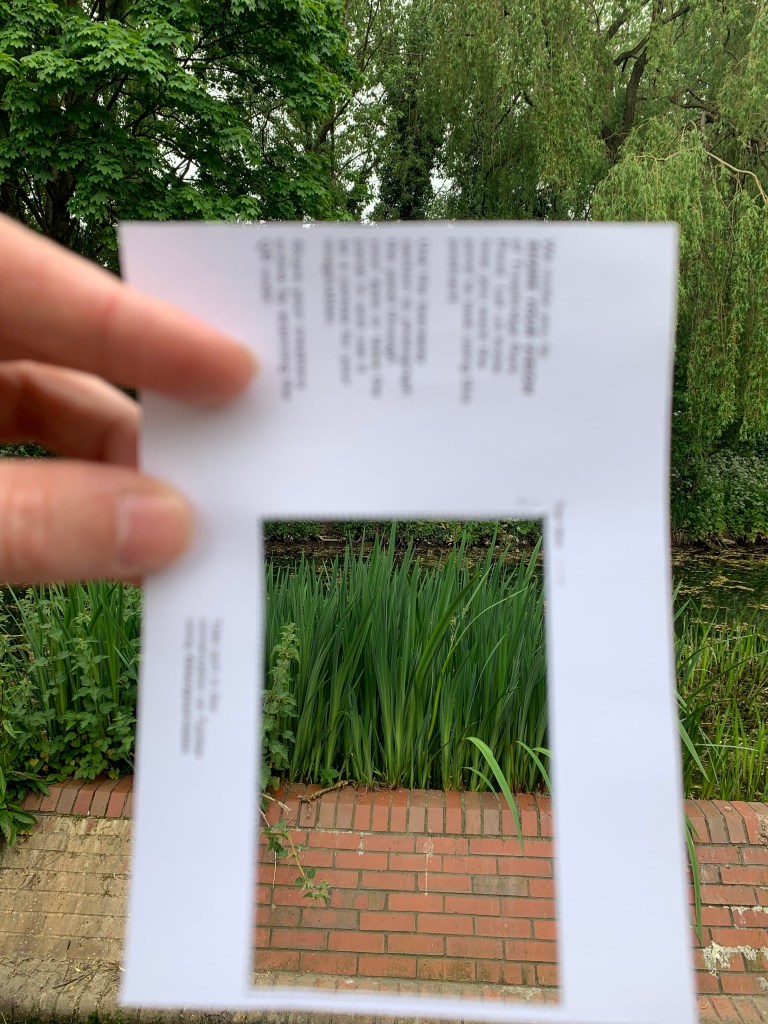
1. Social media / capture campaign (ignite) + Installation This first idea is around getting the pond known and shared to raise awareness of its current condition and potential future condition. This would take place via interaction with the community. I see this being a card / postcard which allows the community to capture the pond through a viewfinder (capturing what they see) * the pond through the communities eyes* OR allow the space for imagination to take place and re imagine the pond (central part of card can either be popped out or not) A drawing platform.
These can then be uploaded and shared onto a central website accessible to all to see and view. These can then be shared via social media to build a presence and awareness of the pond.
Further phases would be planned to capture the imagination of the community and allow them to be as much a part of the project as me.
Where will this sit / work? – Within local schools / communities rather than outside? If left outside in box would they just be taken. Could they be posted out to the community for example (or pick up points within town)
Social media – an identity for the project needs to be created. This will stem from the natural habitat of the pond (needs to be legible for the community)
OR
2. Introducing something within the area (for example bins or new duck houses) A) to reduce waste within the area and stop gulls and B) to give the ducks places to go. Currently the duck houses is half submerged.
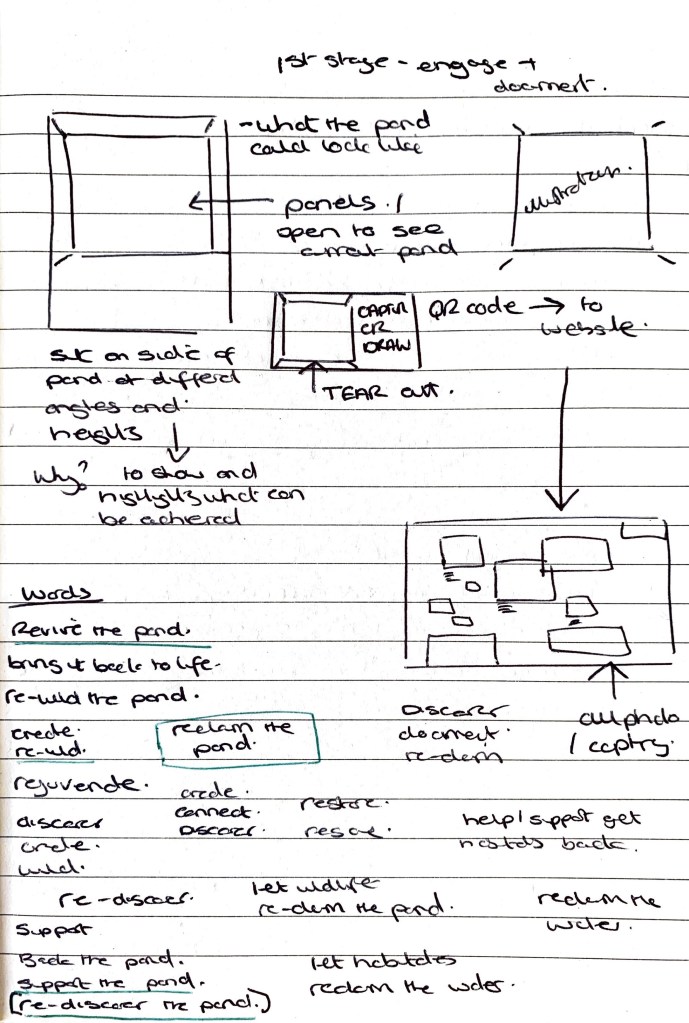
Initial thoughts on design / outcome
Looking into how to capture the initial content from the pond area (could there be frames constructed on areas of the pond for a certain period of time)
OR could printed cards and a mobile device be a better direction to capture?
This will support a re connect / re capture the pond back for the community and support the ambition to re wild the pond and provide a better habitat for the local wildlife
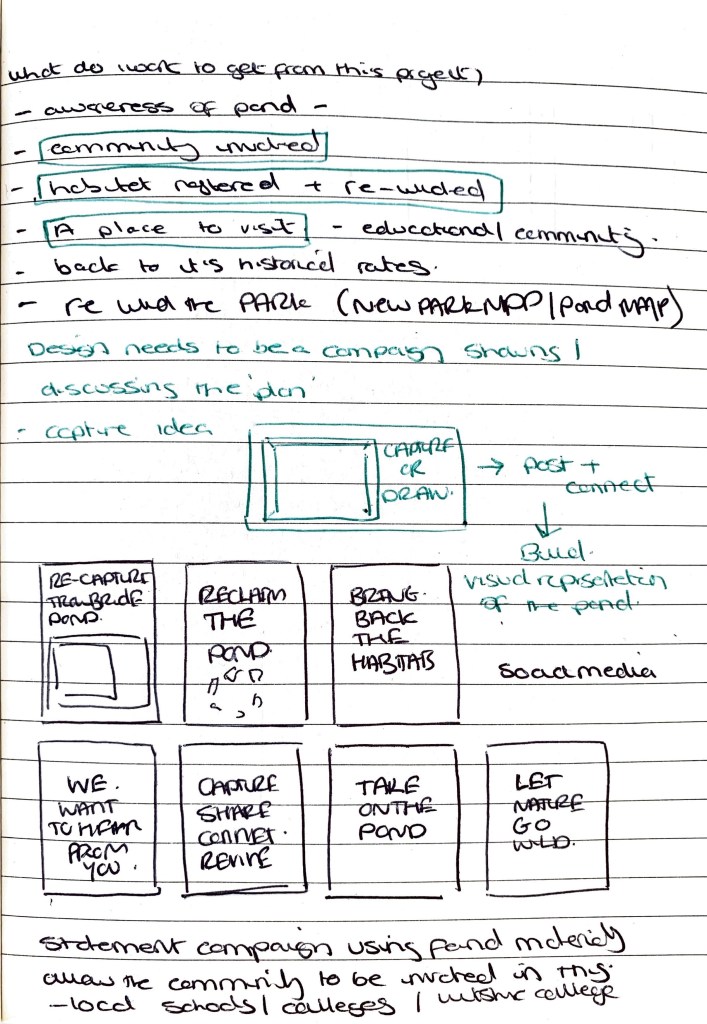
How am I going to get the community involved?
Here I am starting to think about what it is exactly that I need to do to get the community involved with the project.
I want to reach out to a number of community organisations and schools in the area – the reason for this is to gather content for the campaign and ramp up the awareness. I will provide materials for the audience to capture the pond in their own way (photo, drawing, mark making) These can then be used an uploaded to help build a campaign for the pond revival.
Towards the bottom I have started sketching out initial ideas for typographic awareness posters for the town / park / pond area. These to help raise awareness of what needs to be done. These will also act as notices to get involved – let this be a community project. Could these play a part in introducing bins to the area (stop rubbish into the pond)
Next Steps:
To think about collaborators? The Wildlife Trust, wiltshire are happy to talk to me about their plans for the pond which have been outlined in the past (but are yet to come to fruition) Could they become a partner / sponsor in getting the pond re wilded.
Create an identity for the re wild / re connection with community (which can be used across social) this can also be integrated into a new map (which can just be for the pond) this will cover what is currently there.
Create a plan for the next steps of the re wild. Include plans for installation and activities at the pond. Keep it low fi and accessible
Slight shift in direction on how I am tackling this project
Instead of creating a ‘save your pond’ campaign I think it needs to invite the community in first to ask them the questions of what do you want to see happen to the pond. This way I can use it as an opportunity to gather materials to be used in the next steps (visuals, designs, proposals)
I still see this however as being an interactive collection of materials (this idea that you can collect a card and stamp your mark on the pond) Either photo or draw what you want to see happen. This collecting a visual database of materials up to use. These can then go on to create a campaign to ‘save the pond’
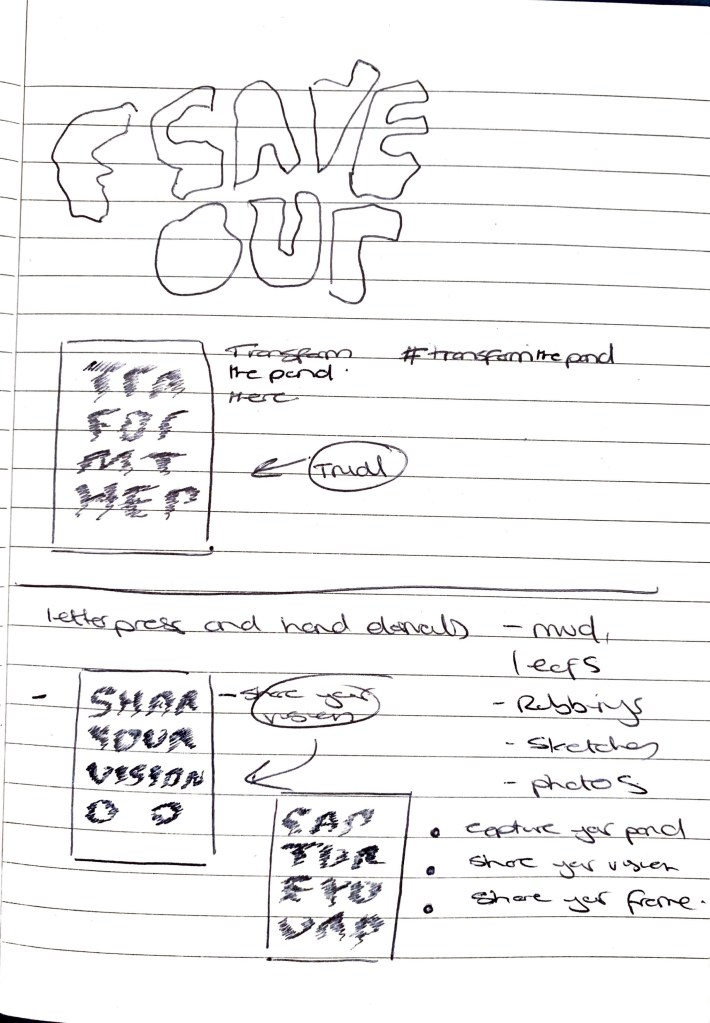

Initial design / tests for the pond project
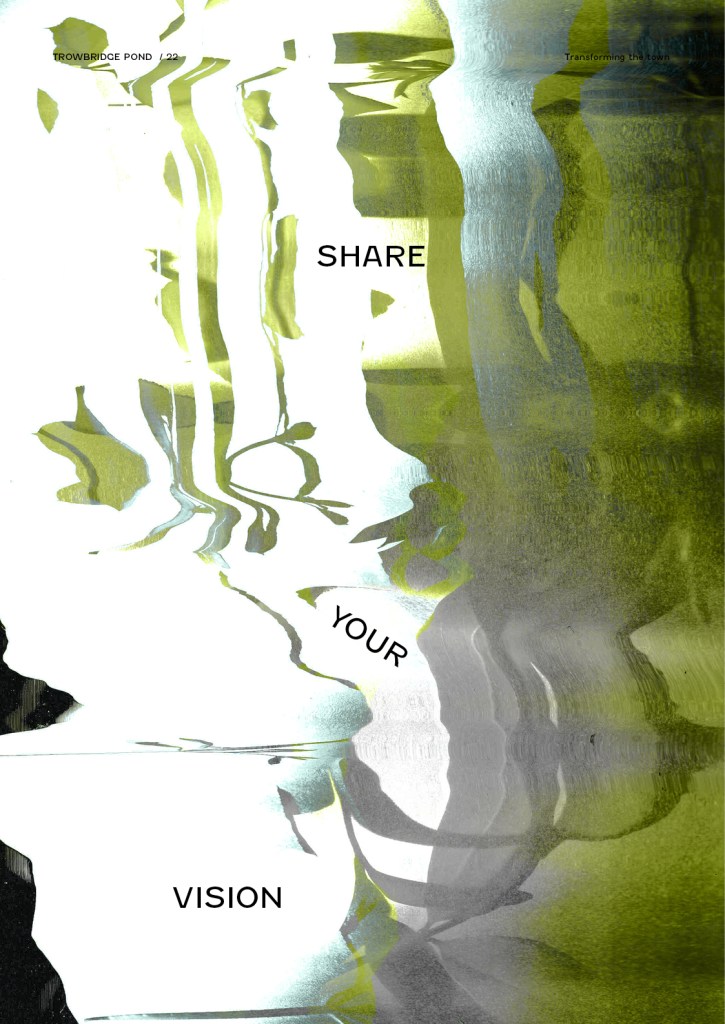
Initial sketches / designs were constructed using found material from ethnographic research. This found from the location of the observation (Trowbridge Park Pond) These designs also started to look at how people viewed the pond. This taking the form of fragmented elements taken from rubbings and photographs. Could the photos make up a response for the need to support the development of the pond?
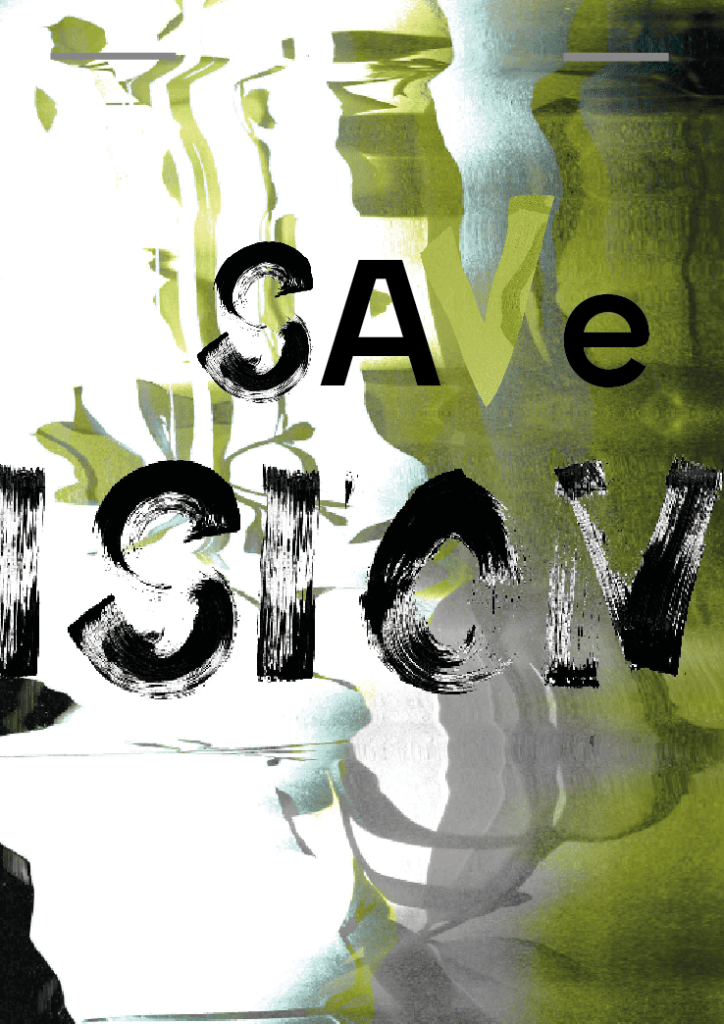
Far right I have started to explore the use of typography in response to the pond itself. Taking influence from the patterns created on the waters surface, creating a connection with the viewer. Is this clear enough to get a message across? Or more a visual aid?
It’s an interesting take on but I’m wondering how impactful this is? I want to develop this further to see how it can support future materials
Could type be made from photos? Can the designs be low fi and found? I think this will connect better with the audience? Rather than a digital font which may be to ‘clean’ and ‘manmade’ for this project?
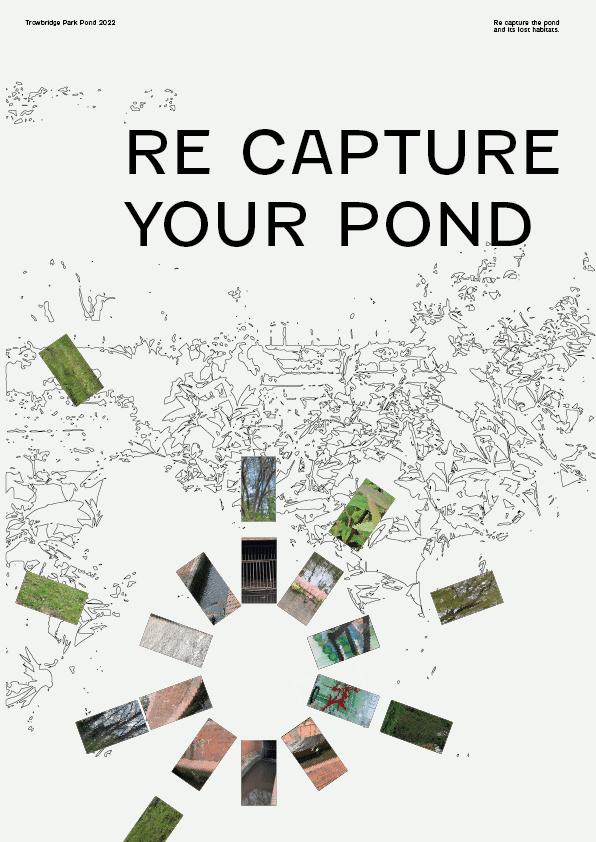

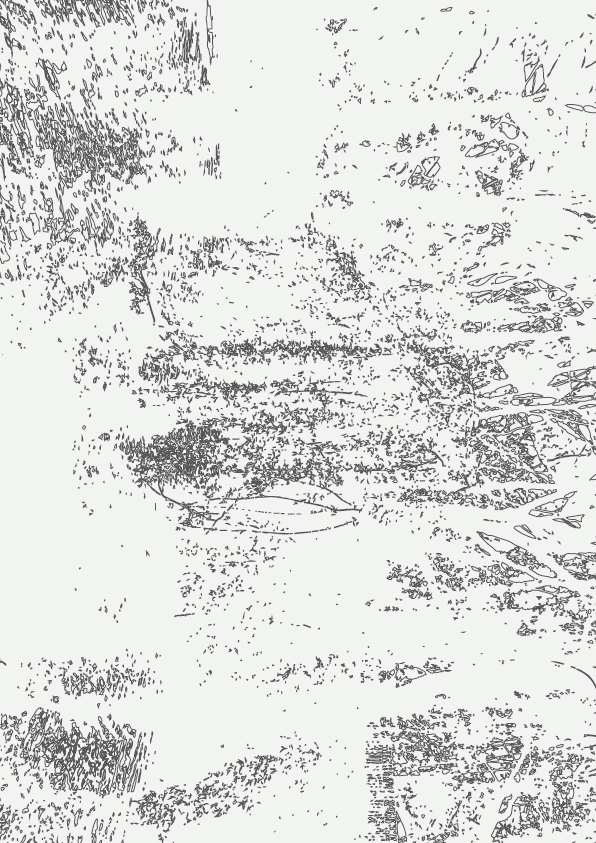
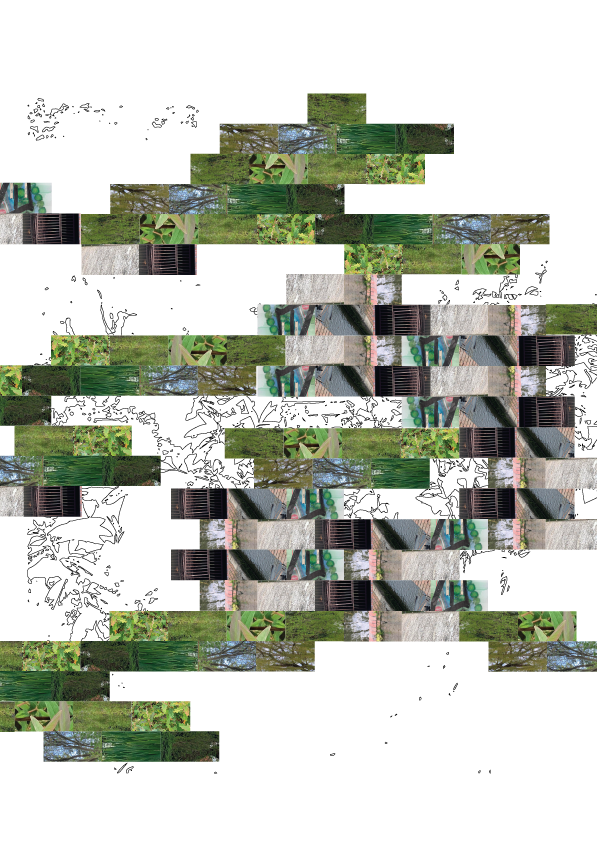
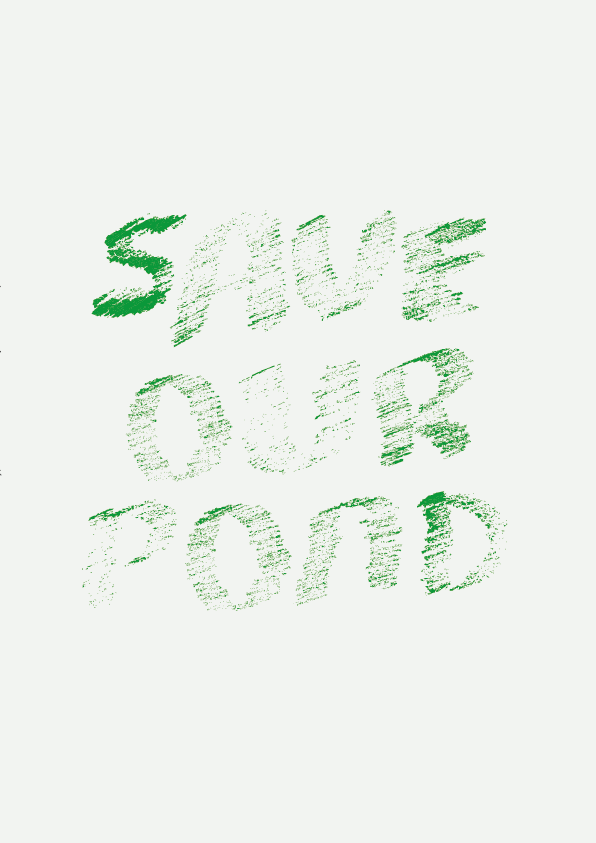

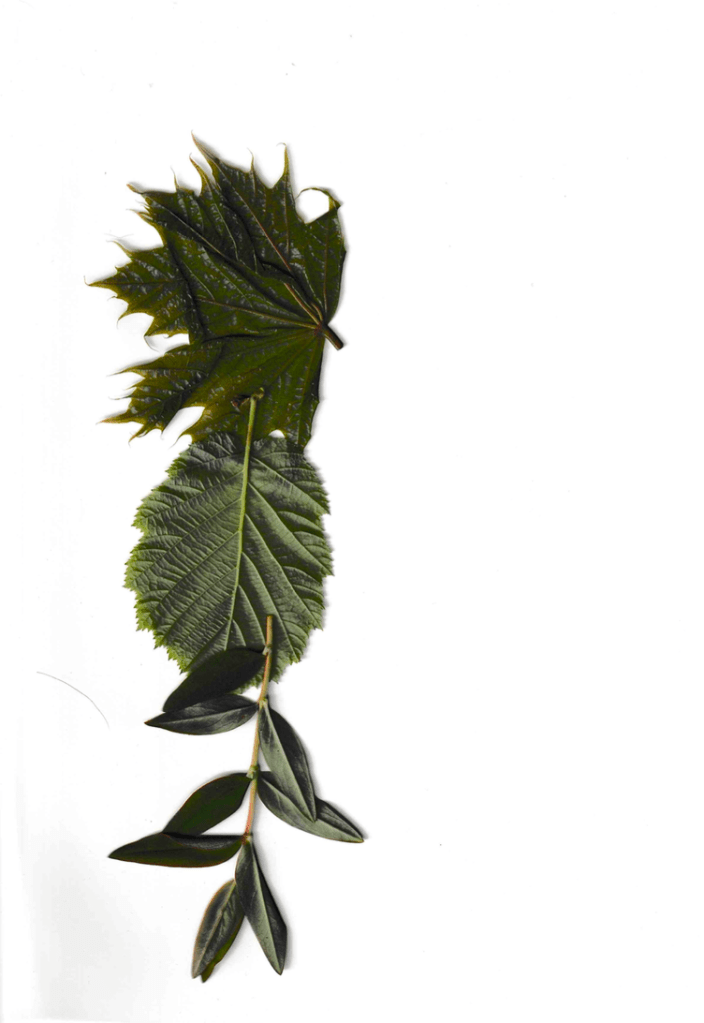

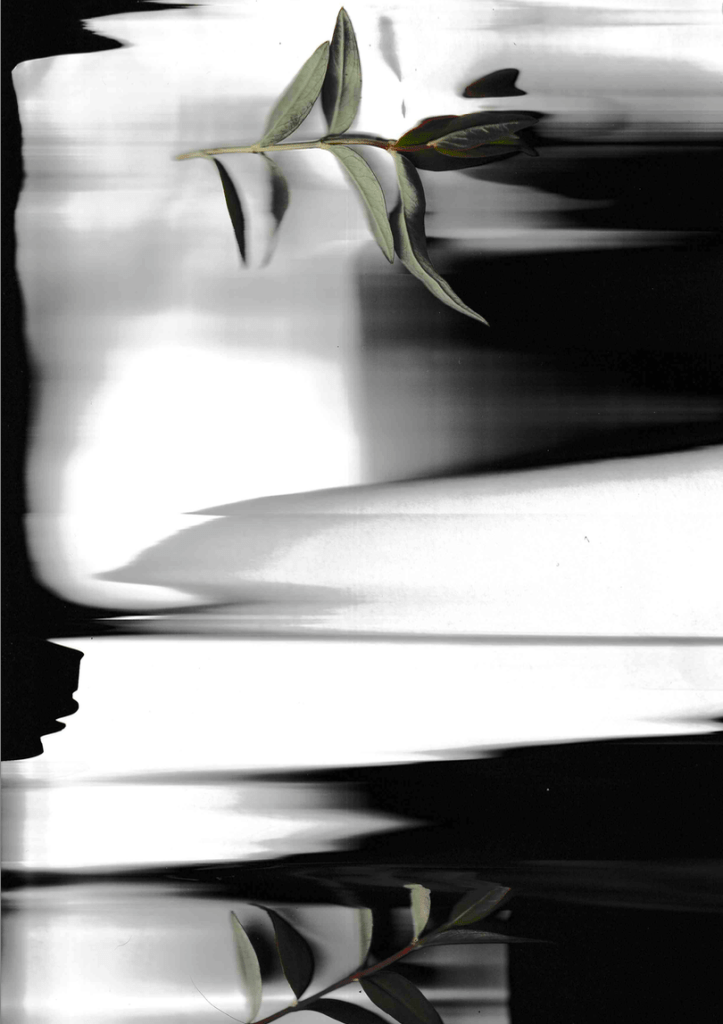

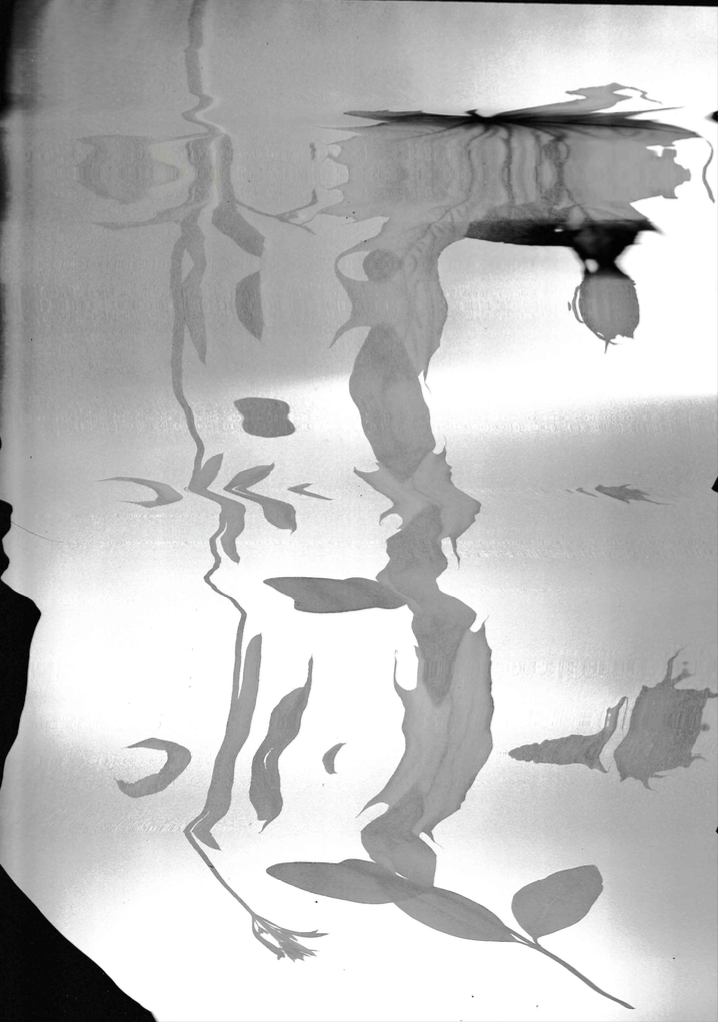
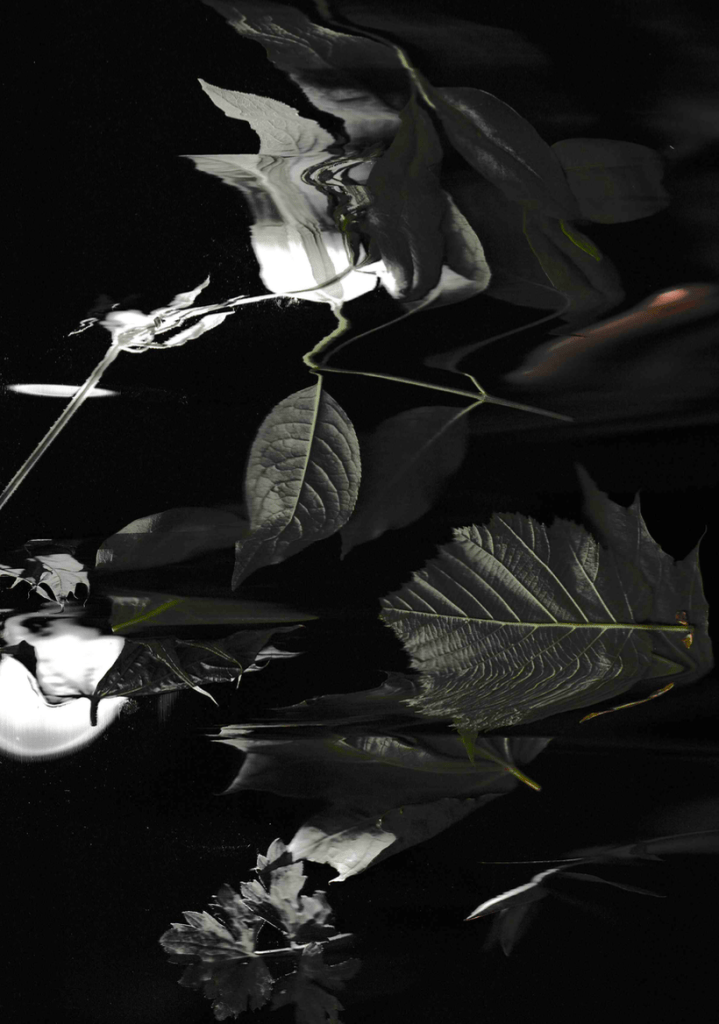
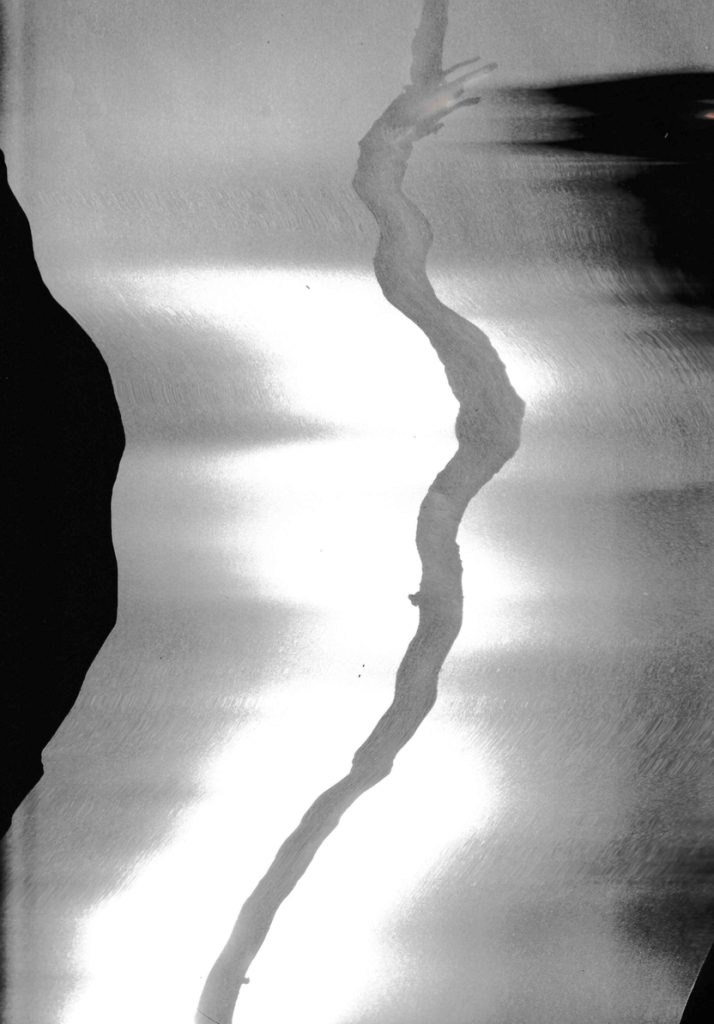
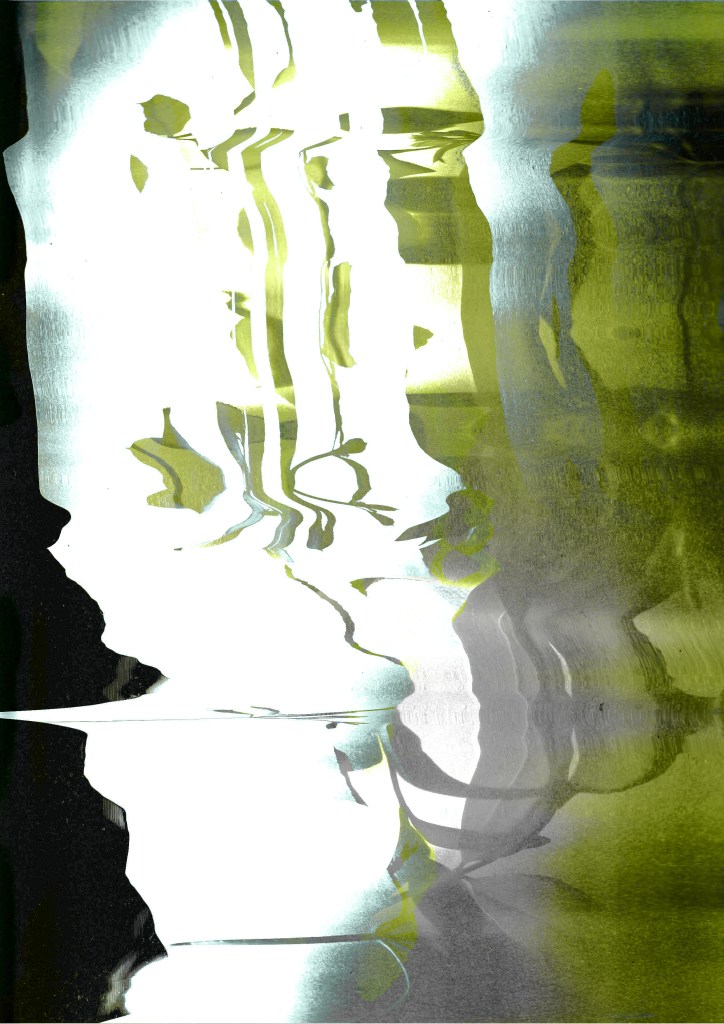
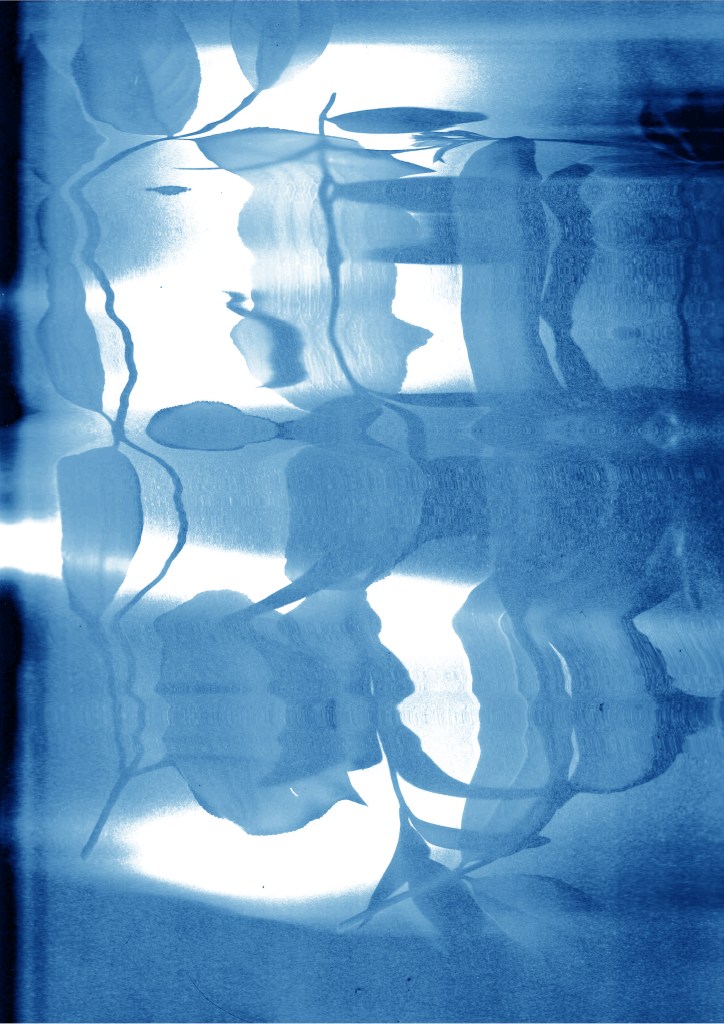

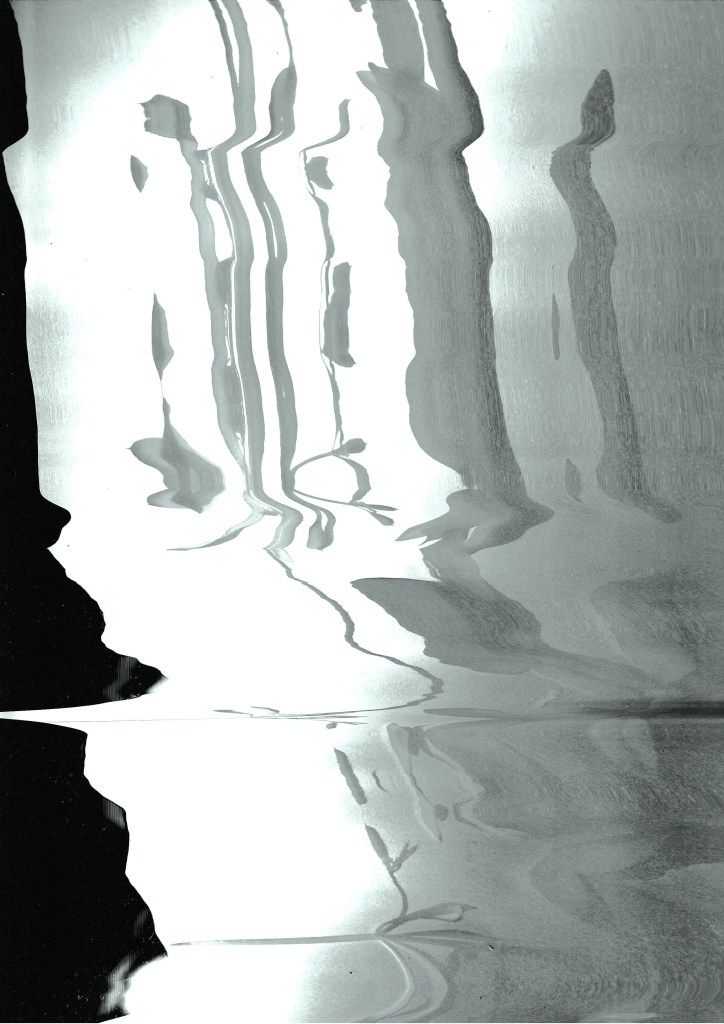
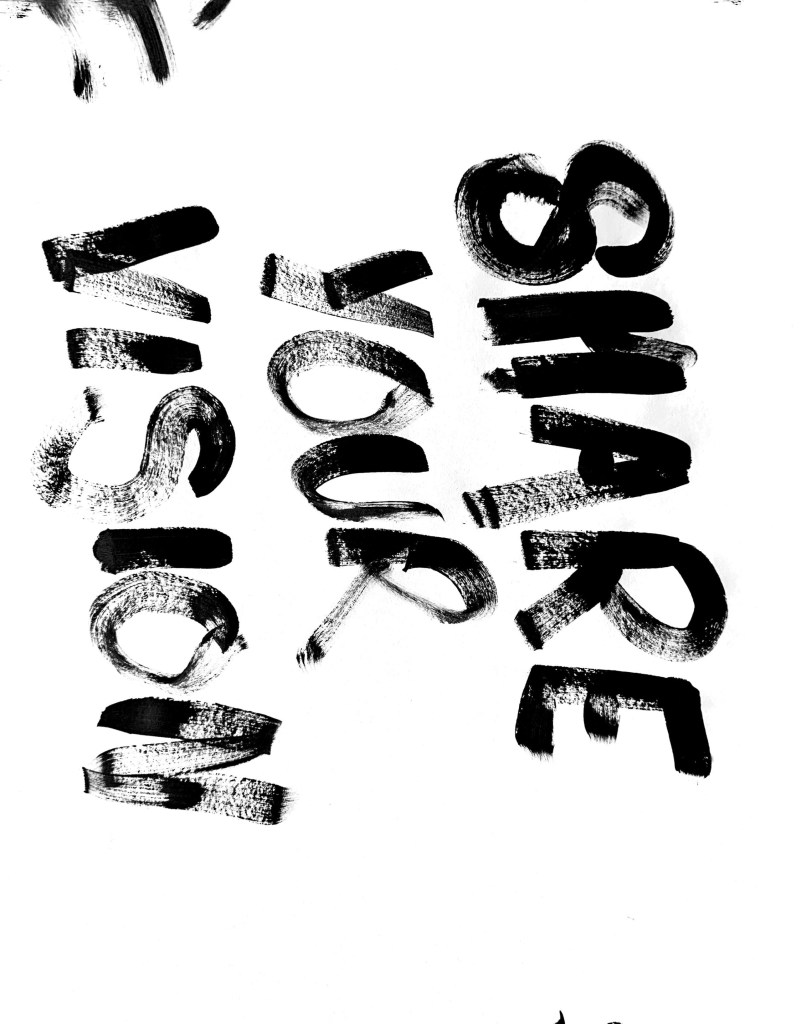
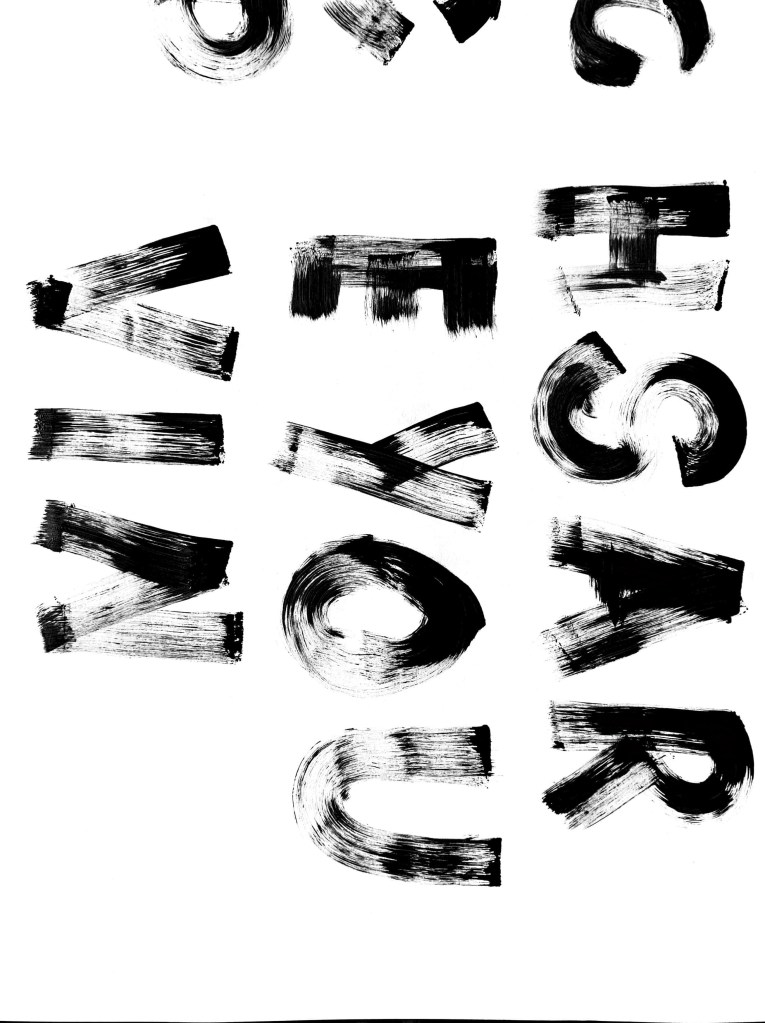

Development of visuals
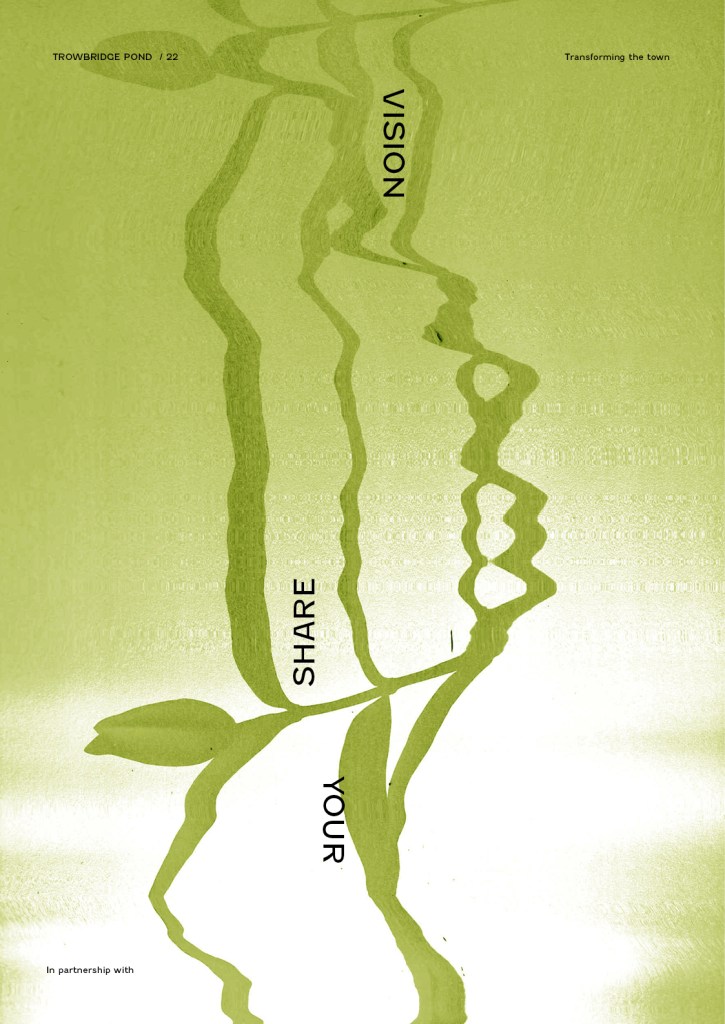
Developing visual to invite the community in to support the re imagination of the Park Pond. Visual elements have been sourced and created using found materials from the location. They give a underwater and neglected feel, representing the pond currently. They add intrigue in what life lies beneath the water and what life could be there if the pond was looked after.
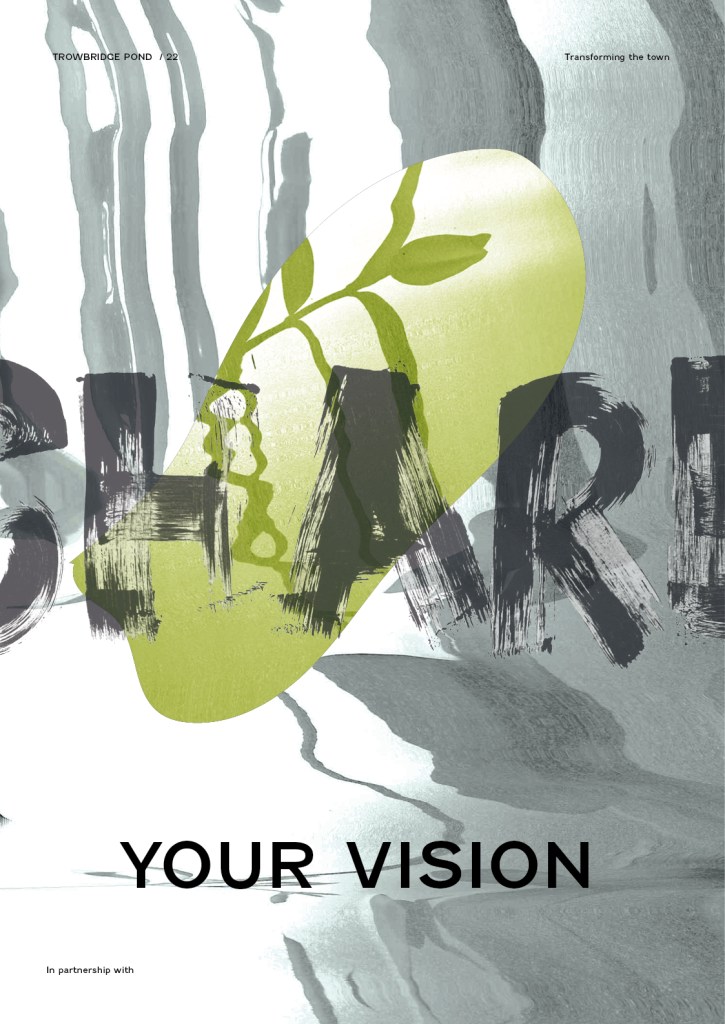


Further Development.
Something is coming together here? Could there be a series which invite the community in to support the share your vision postcard trial?
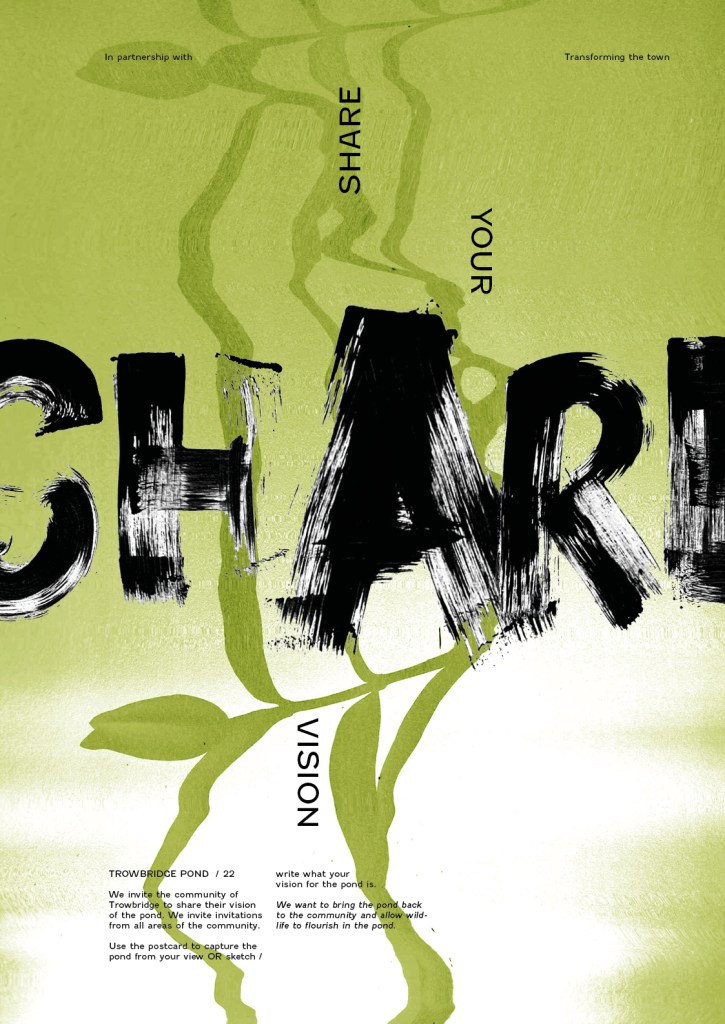
At this stage I think there needs to be variation and colour introduced to capture the audience. This also needs to be supported by the development of a card which will invite the community in.
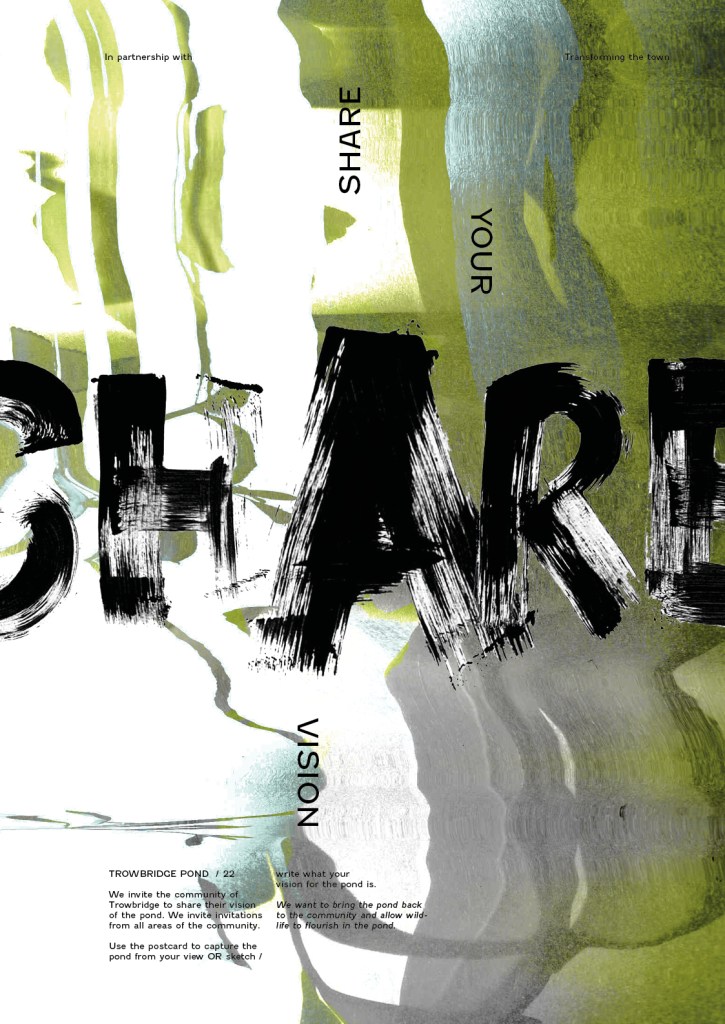

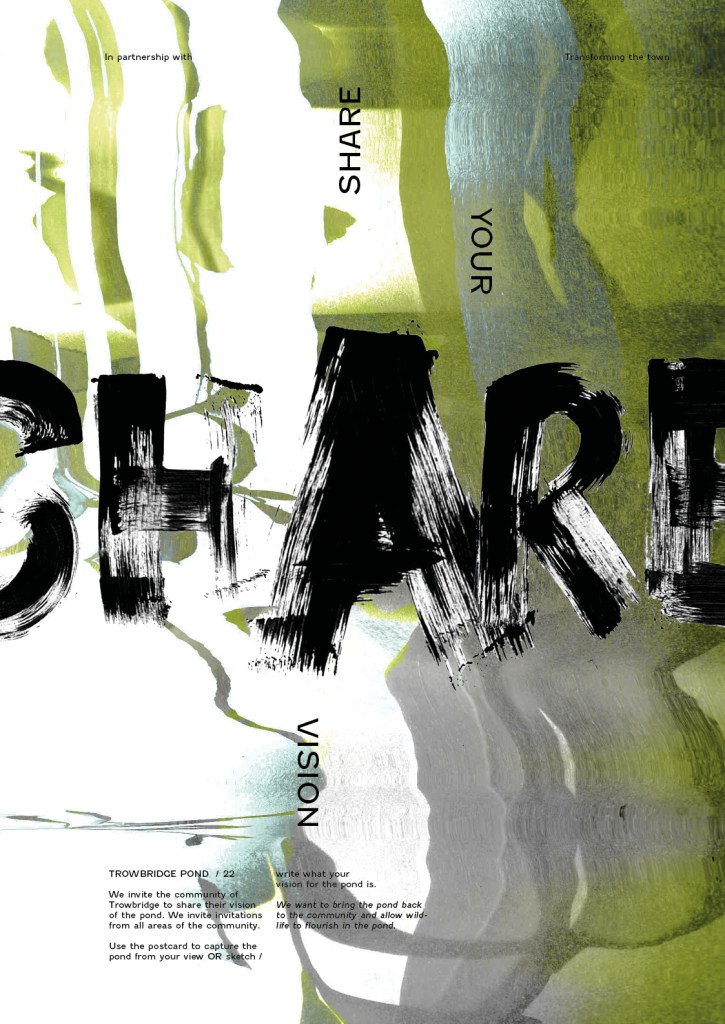

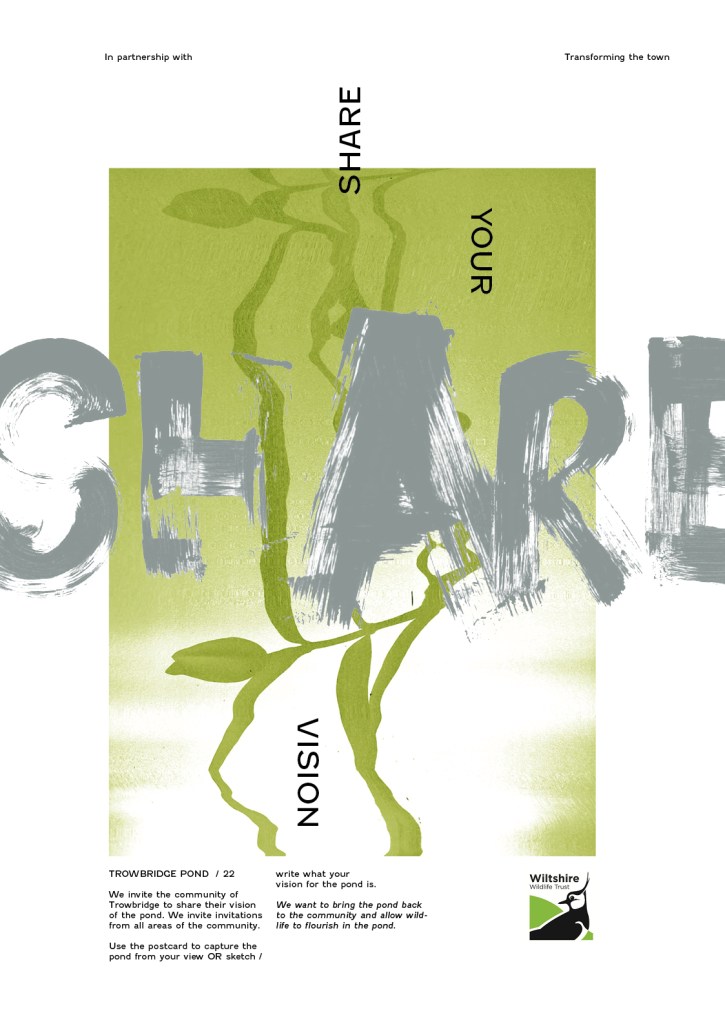
Postcard Designs
Postcards which can be given to the community and local schools for a response to the current pond. These postcards invite the community to share a creative response to what they want to see happen to the pond. They can do this in 2 ways – Using the white space (Canvas) to draw / illustrate / sketch their vision / capture or tear away the panel and photograph part of the pond they want to be developed / kept.
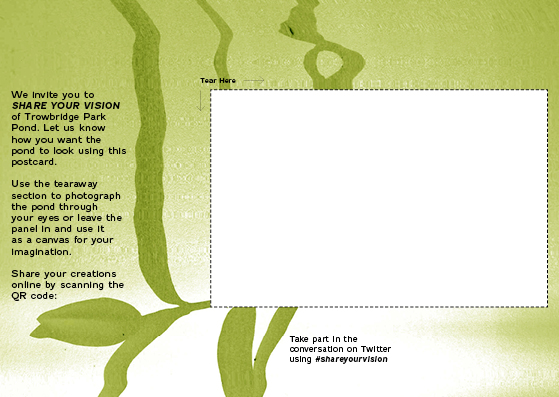

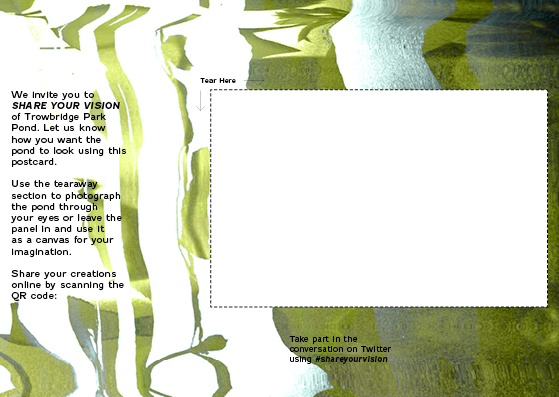
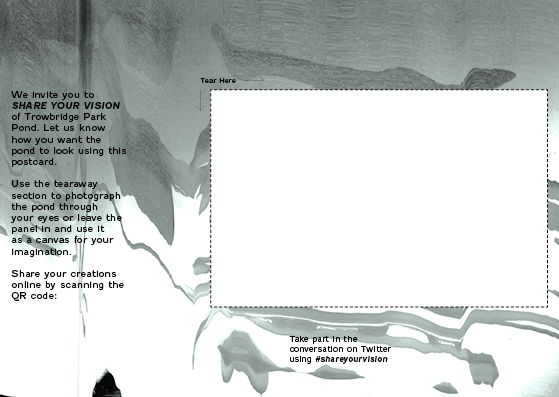
Testing the postcards
Below are a couple of tests using the canvas as a way of capturing the pond – through photo. I captured the areas around the pond which were luscious with life and provided an insight into what the future of the pond could look like more widely. These areas have been highlighted by Wiltshire Wildlife as areas which may be used for a full circular path of the pond.
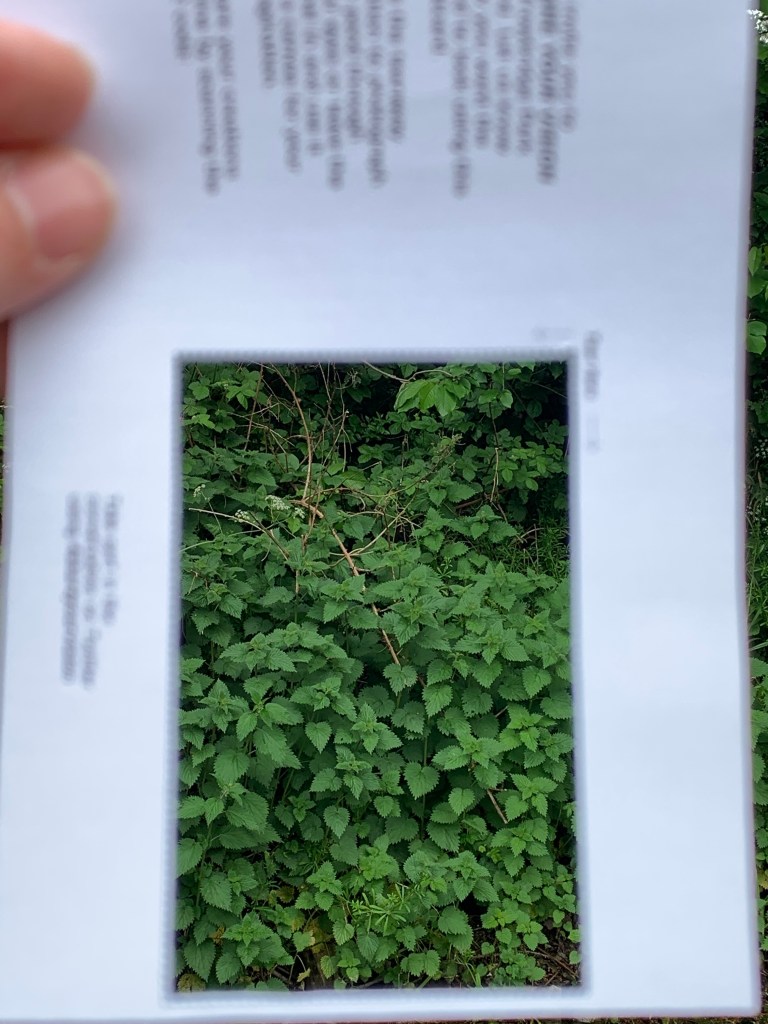
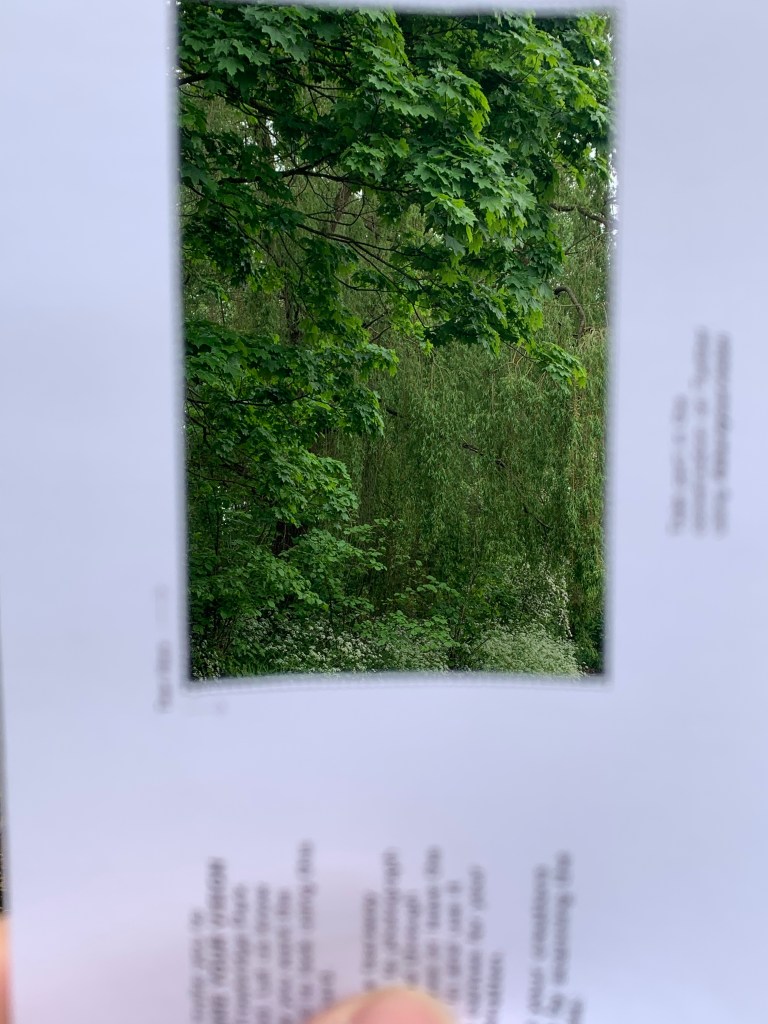
Areas which are dense in current vegetation, identifying that these areas need to be expanded across the pond. They currently only occupy this area of the pond.

Research
Trowbridge Environmental Community
Hand curated typography with tape. Community led, feels involved, powerful, a statement
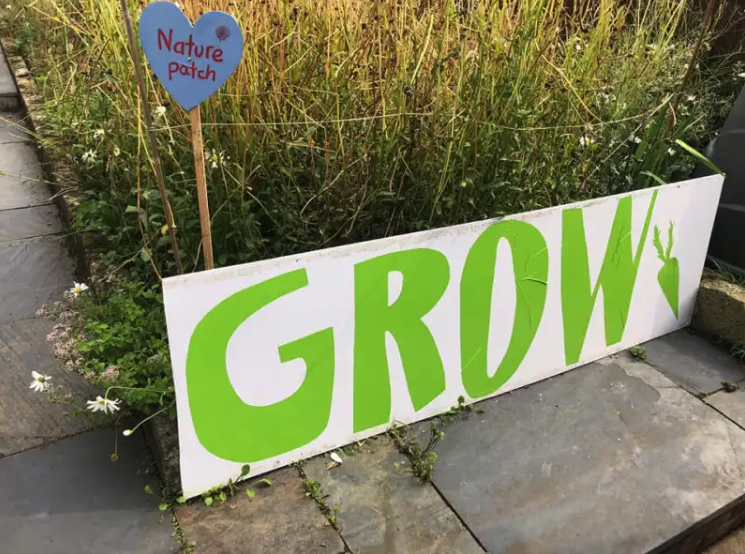


Contacted Space Hive about my local project to speak about their projects which have revolved around local ponds and the community
Project Description:
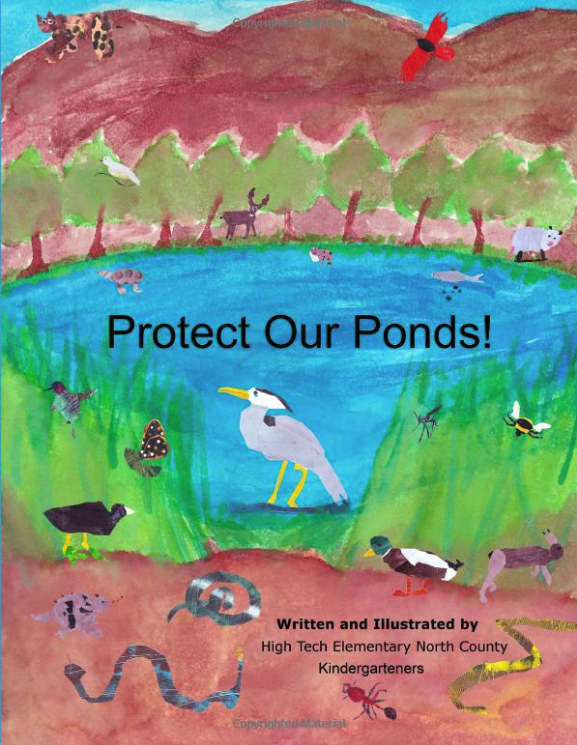
As part of the “Pond Protectors” project in the Spring of 2014, Kindergarteners from High Tech Elementary North County studied the pond as a habitat and explored the driving questions “How are plants and animals helpers in their communities?” and “How can we help protect our local ponds?” Each student became an expert on an animal within a local watershed. They created original artwork and contributed individual conservation messages to help protect plants and animals of the ponds and local watersheds in San Diego County.
This project even though in America and little online about it has really inspired me. This book which is created with original artwork from those responding to the need to save local ponds. How can I take the opportunity to get the community involved to create artwork in response to getting the town noticing the pond?
Like they say above how can the pond habitats help the local community? Is this through educational purposes? Areas to sit and relax, a place to learn about habitats?
Robert Rauschenberg – Posters
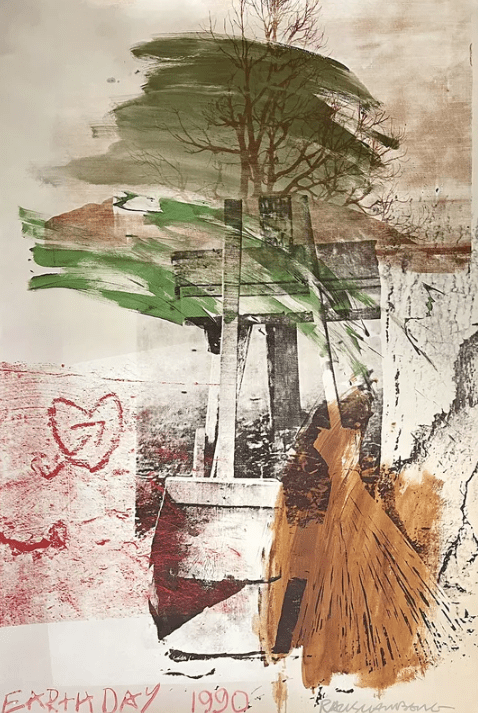
In this week’s materials I discovered Robert Rauschenberg’s work for Earth Day which really caught my eye and struck a cord. The construction of the posters highlighted to me what can be achieved with low fi materials. The posters are impactful, full of energy and have an element of tactility about them.
With my current project around a local pond I connected to these instantly. The use of materials (paint, collage and type create a sense of urgency and collaboration with the community / viewer) These posters also speak to a wider audience and allow for a wider audience to be involved in their impact.
How can I use a similar approach (use of multiple materials) to speak to my audience? My project feels very tactile with it being a pond. There are multiple surfaces (water, brick, vegetation, silt, mud,) Can these be brought into the design to create impact?
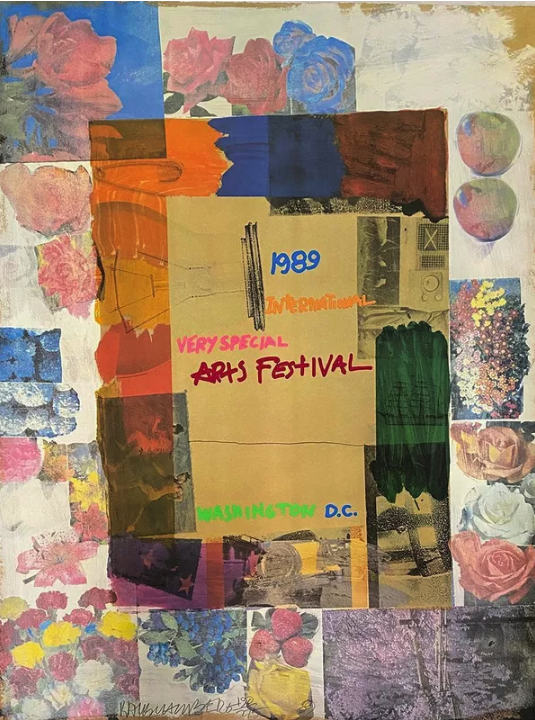
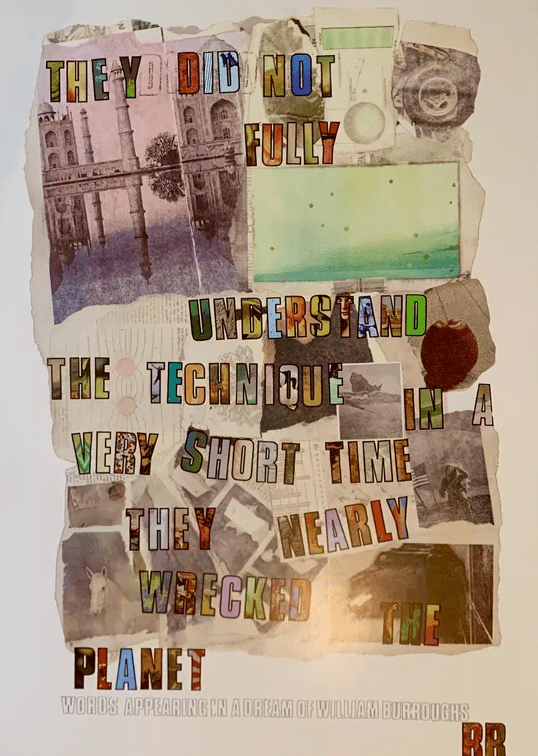
Images are copyright to – https://www.artsy.net/collection/robert-rauschenberg-posters
http://www.europaeuropa.co.uk/#id-station-road-harrow
Allotment Soup. Walney Island – Hannah Brackston
Community led growing project based in Barrow in Furness. The project allows for play and social connection. Alongside this the project aims to re wild natural habitats. The area is a place which allows the community to learn about the area and the future possibilities for re wilding, allowing for new ideas to be out forward.
A piece of land has been given to the hands of the community here to bring it back to life? What is most impressive here is the community isn’t guided on what needs to be done? There is the opportunity here to grow, learn, explore and build. With my project around the pond there is a few points here I would like to explore, in particular this idea of brining in activities for learning. (this benefiting a wide audience)
The rich visuals which can come from these projects references the work of Robert Rauschenberg above. Physical materials from the location could be used to create powerful and real campaigns.
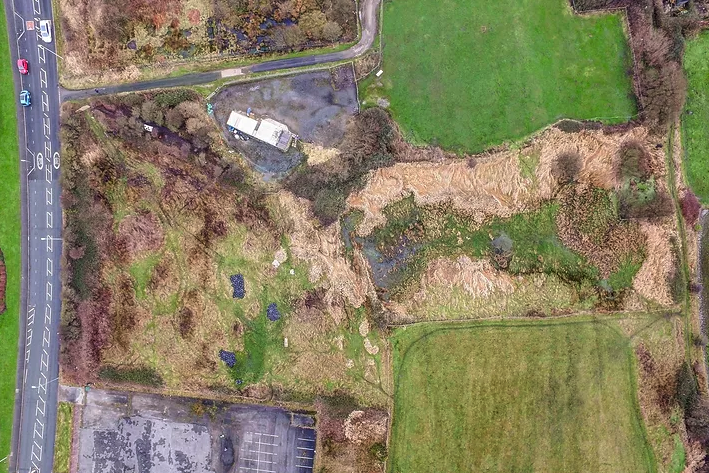
Re-Wilding Barrow Project – Art Gene
Putting an emphasis on the importance of natural habitats. Connecting with local schools and community groups through various hands on activities and programmes. Allowing the local community to engage with their local landscapes.
Another project inviting the community into a space to help re wild / re introduce habitats and support the learning around those habitats.

Visual References
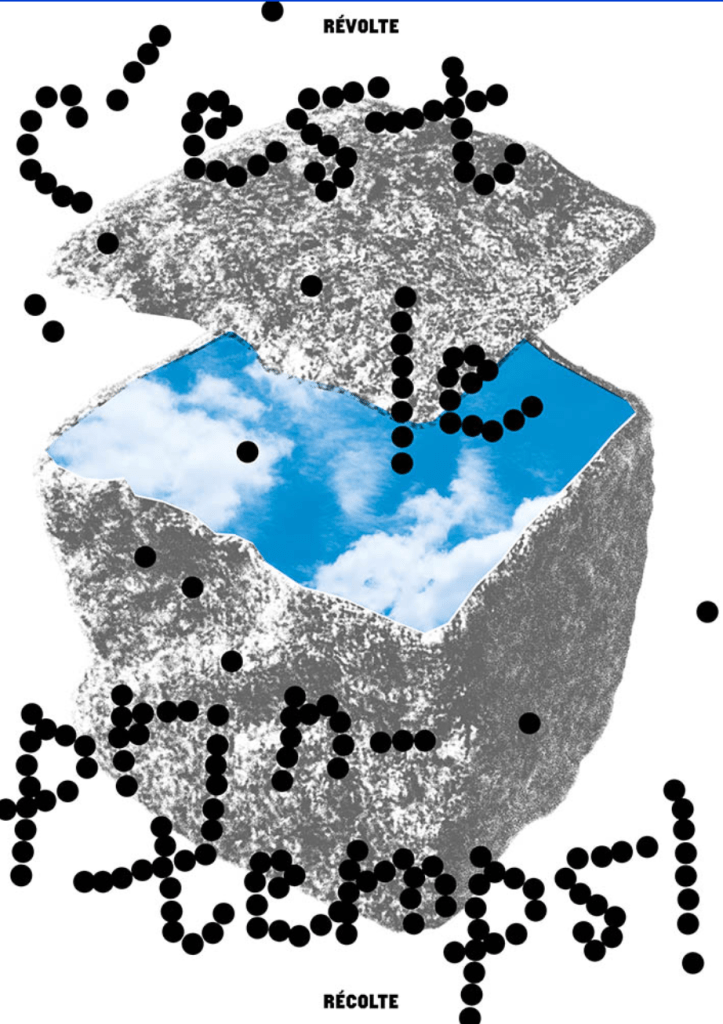
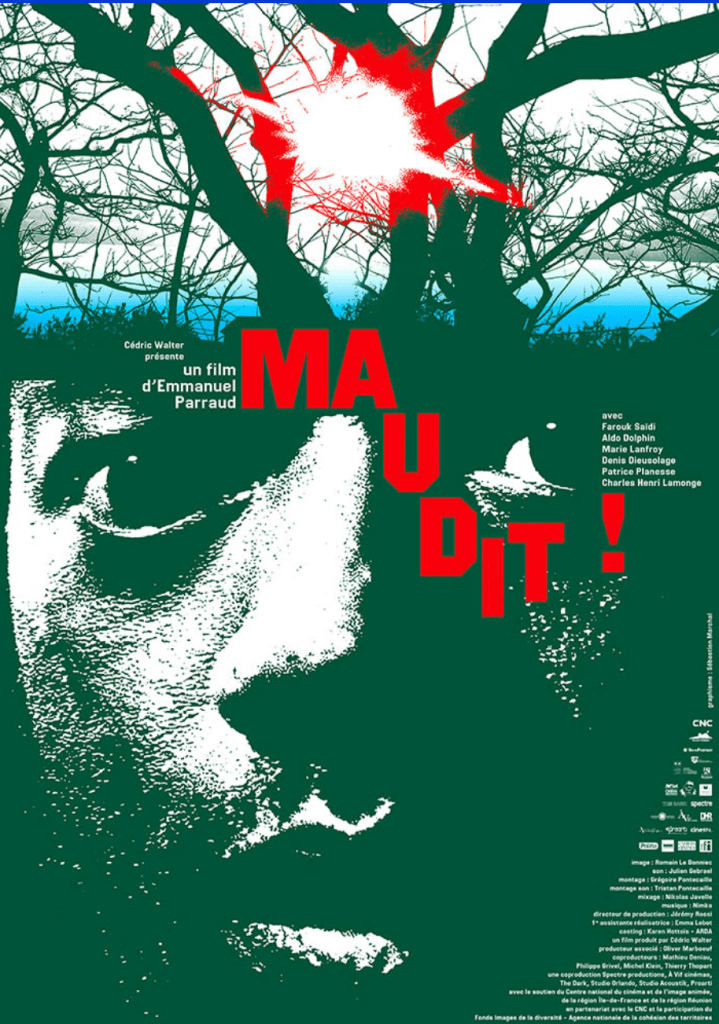
Yuna Kim – Typographic exploration (tactile, craft)
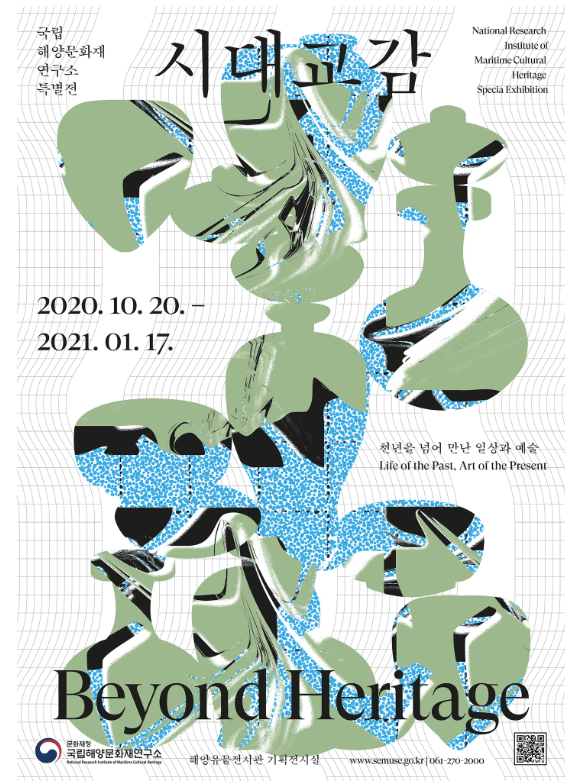
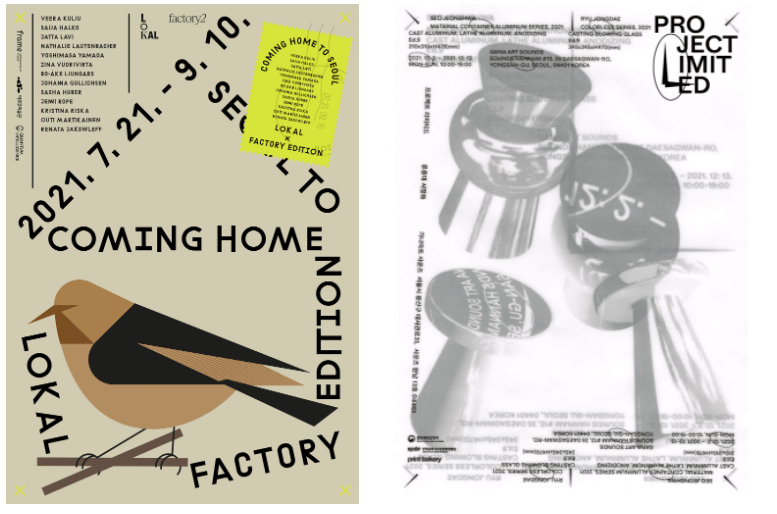
Eager Zhang
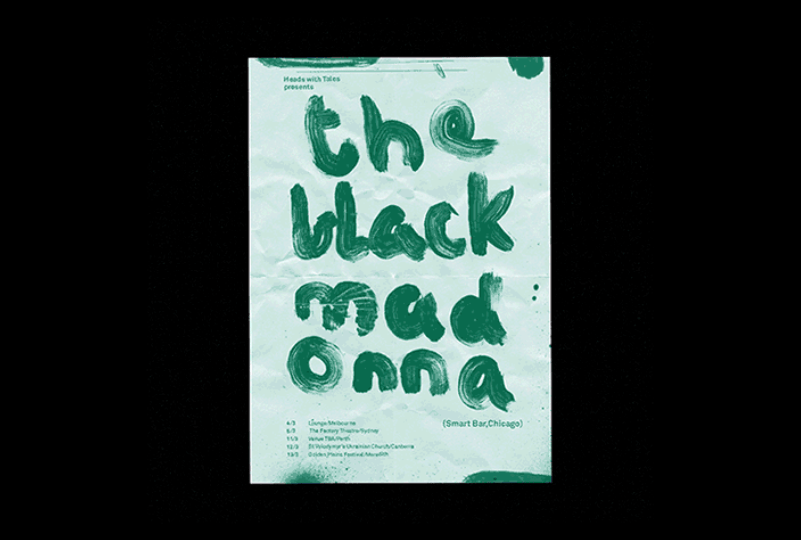
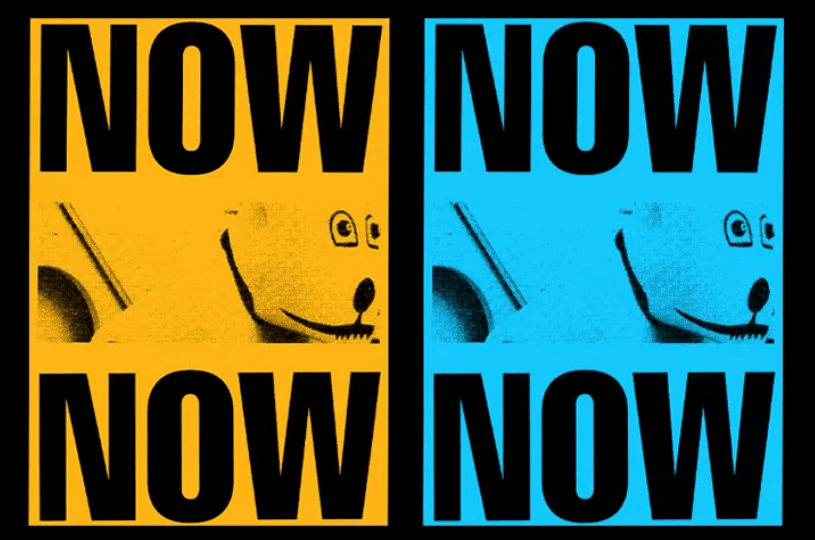
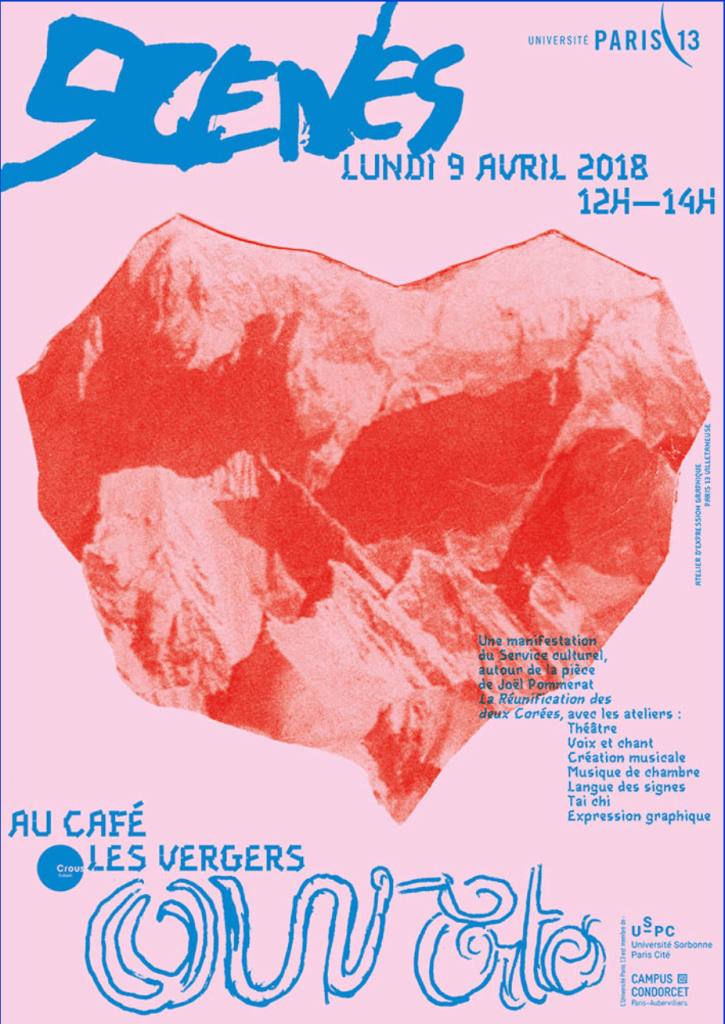
Bringing tactile and digital together to invite the viewer in


References
- https://www.koosservicedesign.com/blog/what-is-service-design/
- https://aecollective.earth/Information
- https://www.art-gene.co.uk/
- https://www.itsnicethat.com/features/the-parallels-between-creativity-and-gardening-jason-evans-the-garden-gate-project-manuela-de-los-rios-maxwell-community-garden-creative-industry-121121
- https://www.gazetteandherald.co.uk/news/13775072.villagers-work-to-restore-historic-pond/
- https://www.amazon.com/Protect-Ponds-Elementary-County-Kindergarteners/dp/1500134716
- https://www.democracycommission.org.uk/toftshaw-pit-hill-pond-bringing-a-natural-asset-to-life/
- https://eagerzhang.com/
- https://www.instagram.com/bradleypinkerton/
- https://sebastienmarchal.fr/#
 James Shaw