Lecture Comments
Key takeaways:
Put yourself into different words and scenarios within certain subjects to immerse yourself in how they work. Viewing and connecting with people within these fields to get an understanding of how it works and the people working within it.
Building relationships and connecting to help build your network – resulting in recommendations and potential ongoing work. Importance of building strong relationships with clients but also widening your network across different sectors. This bringing in more variety within the projects you work on.
Call upon resources to support with projects. Bring in other designers and creatives to support the delivery of a project, give them the opportunity but also allow your projects to be more versatile and stronger in their delivery. (where this is possible)
Hamish Makgill
Hamish made a comment around London and how many see agencies out of London not ‘good’ I completely agree with this and have almost experienced this thinking. When I graduated from University I didn’t want to move to London, even though the pressure was there to have to move. You were almost seen not ‘successful’ if you didn’t start your career in London?
For me I saw the appeal to moving to London, the opportunities there are more diverse and you almost through yourself into that busy lifestyle. But for me more locally there were even more exciting things happening? Bristol was becoming a real hotspot (with many companies moving from London to Bristol and the wider South West region) I worked within a creative space which provided desks and office for small creative businesses – over 70% of them had moved from London to come this way. They were small but mighty individuals and businesses working across tech and creative sectors.
For me this got me thinking about the location of my future practice, this also being influenced by the happenings of the past few years (remote working) I don’t need a huge space, I don’t need flashy signage outside a studio for me it’s about being flexible and being able to work in a hybrid format (remote and in physical spaces) For me this makes my practice more exciting? I can immerse myself in locations when needed and be more flexible about travel and finances. But it does have it’s limitations and drawbacks. If you want people working with you how do you manage this? If remote you need to make sure you have a model which allows this.
How can I adopt a model which allows my practice to be flex and hybrid?
Can a creative business be successful being full remote?
Will working remotely limit the type of work which I can get? Will this effect client relationships.
Will not having a physical space stump growth of the new practice?
Design Development (workshop challenge)
This week I want to focus on the development of a plan for my new practice. This is almost a merge / re positioning of my current practice (Volley Design) I don’t want this to be a business plan I almost want this to be an essay finding me new practice. A document which will allow people to see the re merge of my new practice.
This will take a few different directions. Firstly the analysation of my current business, to explore the current strengths and weaknesses here. I then want to look at who I am as a designer now (the journey through my masters, the conversations which have been had and the work that has been produced)
I then want to explore the new practice and what this will be in both a written and visual form. My way of working is an ongoing development and I feel the best way to show this will be through visuals (designed and ethnographical)
I firstly started this process off by trying to write a business plan but this wasn’t working (notes below) I soon realised that this re discovery of design for my practice needed to be taken in a different direction.
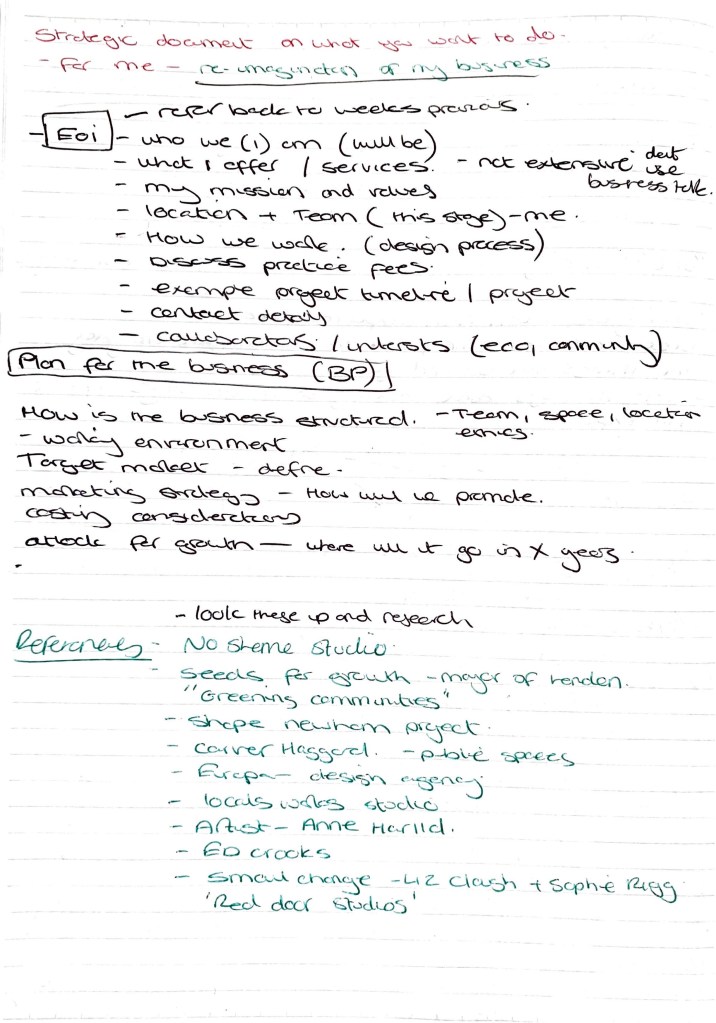
Business plan (a move forward that wasn’t considered enough in relation to what I wanted as a designer)
There is points here which I will take forward and put into my visual essay/ plan for my business but I really wanted to get across the journey and re discover of my practice – this being the main driver and backbone to my business. Without the re discovery and masters I feel my practice would still be stale and not move forward in this new, exciting and engaging way.
How can I create a visual essay / narrative which speaks to those I want to work with / collaborate with on future projects. For example Trowbridge Eco
Analysation of business (current Volley Design)
Definition of auto-ethnography
‘Auto-ethnography is an approach to research and writing that seeks to describe and systematically analyse personal experience in order to understand cultural experience’
Visual depiction of my ways of working
Visual overview of how elements of my old practice and new practice look. Noticeable new practice is a more involved way of working, letting the merge of artist and designer come together. This allowing for more of a experimental approach to design and drawing upon ethnographic ways of researching.
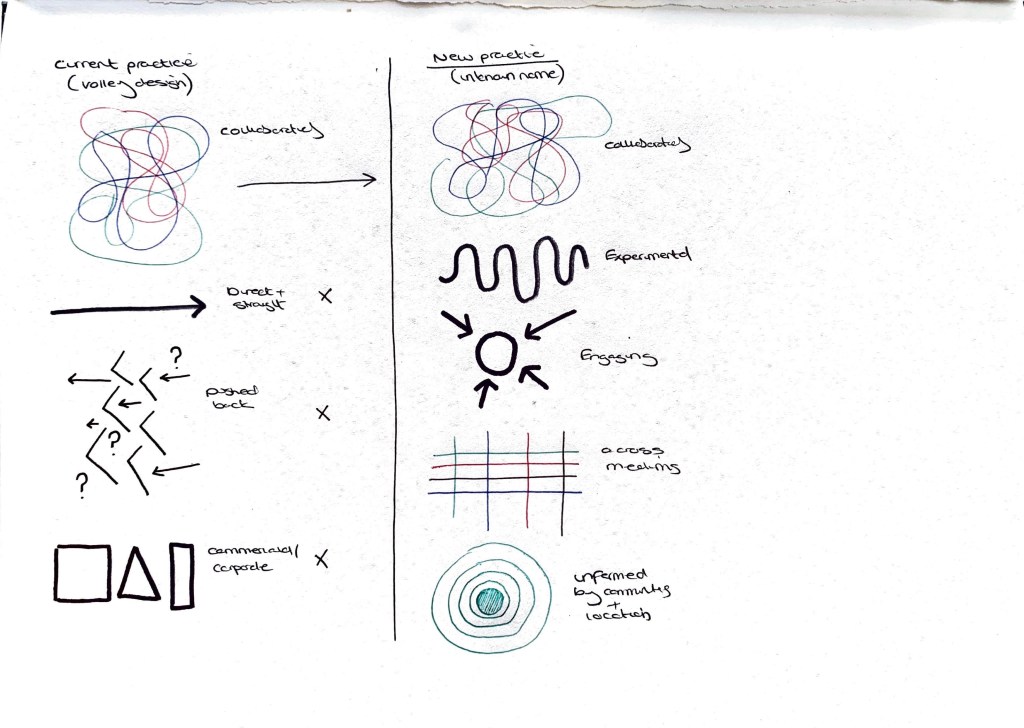
Next steps – define and review what it is my business is. The words that occupy the space and how I want to work. I want to explore this in a visual and tactile format rather than just writing it down. A more expressive visual will showcase the nature of the developing practice (could become name/brand/visual) for the future practice.
Final outcome:
Research
“Creatively, the possibilities of design are limitless”
Studio Dumbar
“The Berlin and Seoul-based designer doesn’t stick to a “bound graphical grammar” – It’s Nice That.
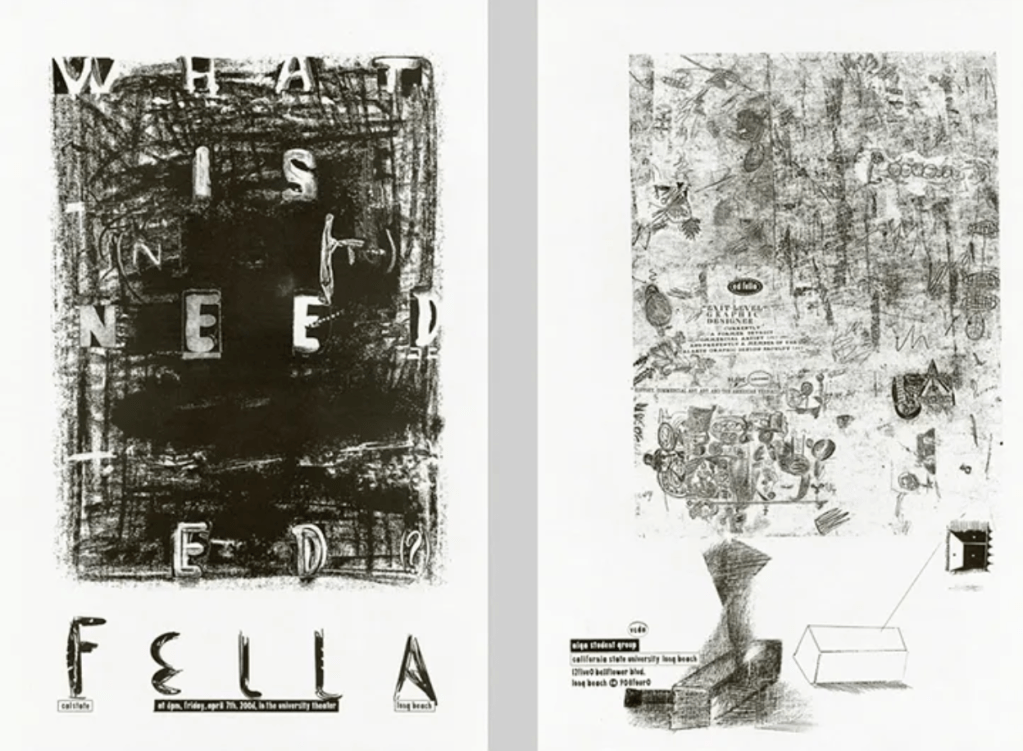
Been exploring the work of Dokho and his approach, tactile feel and design is in a direction I am exploring. The mix of materials, exploration of typography and shape to produce striking, independent designs. His work is both commercial based and still self initiated, with these self initiated projects not leading to anywhere at first – This is how I am currently working myself, with a more commercial/corporate client base and a more free, experimental approach to self initiated projects.

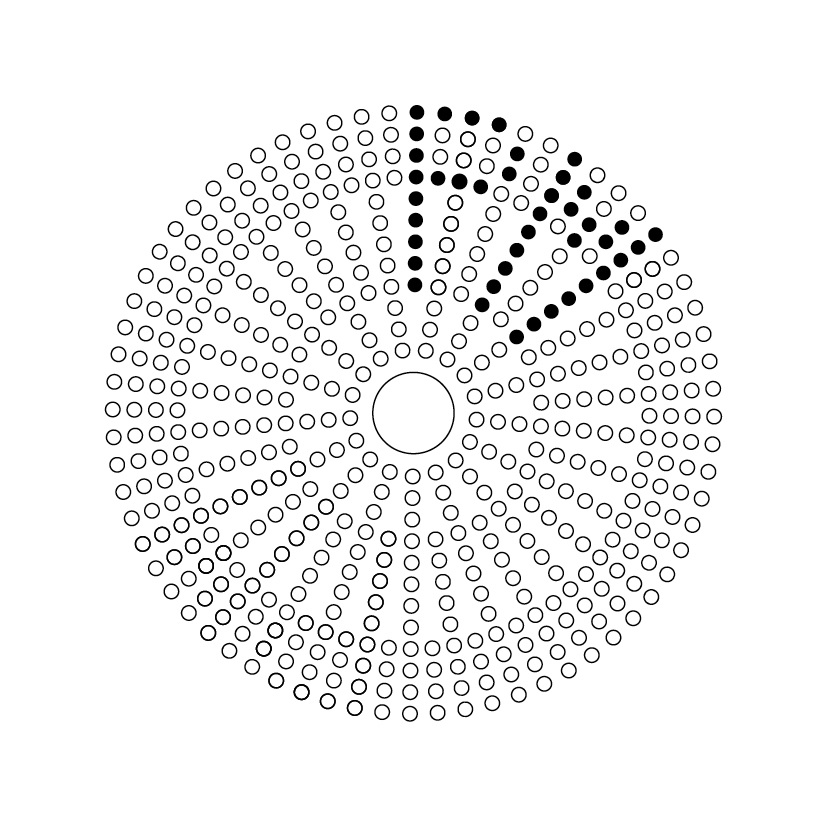
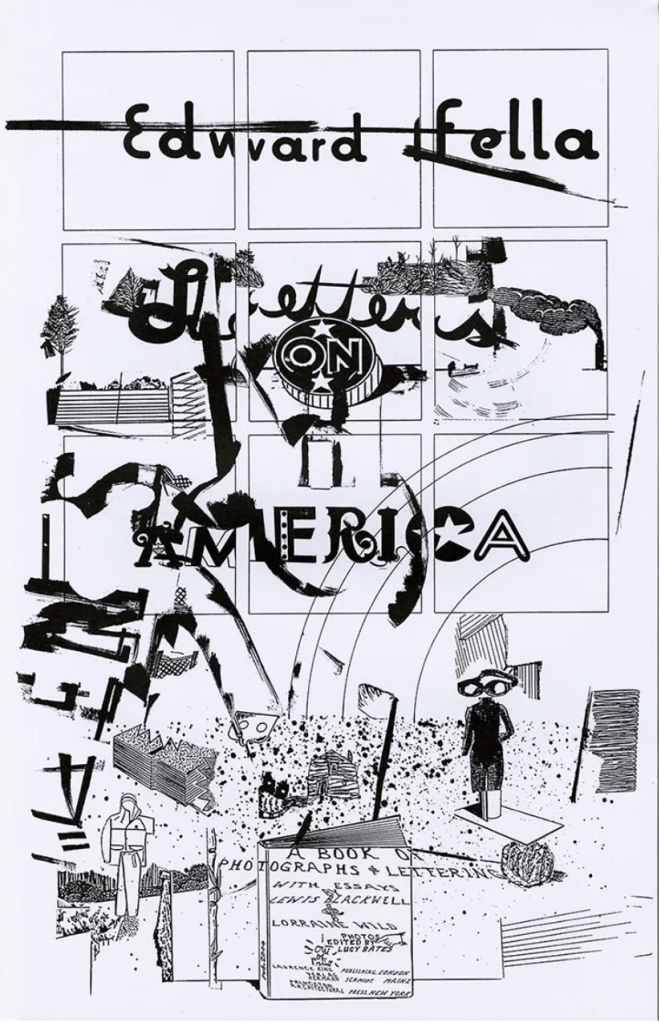
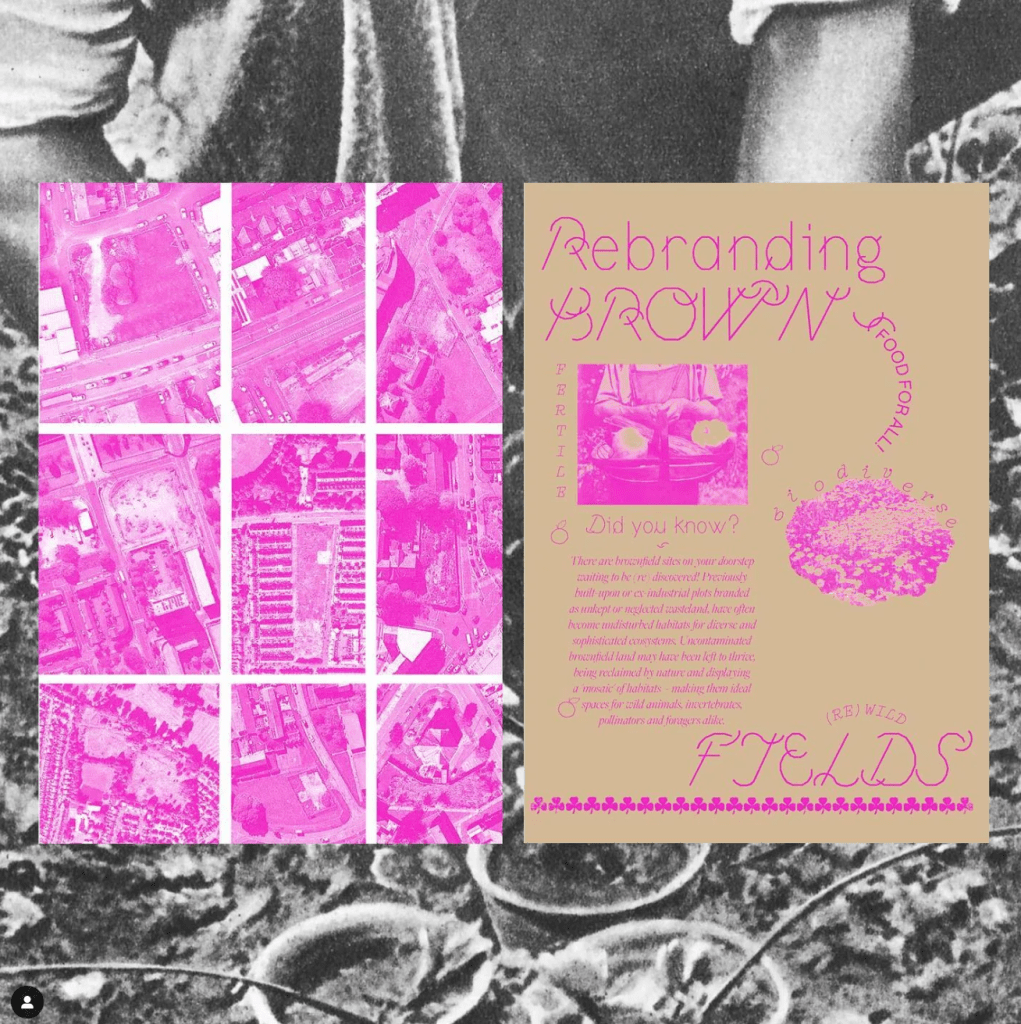
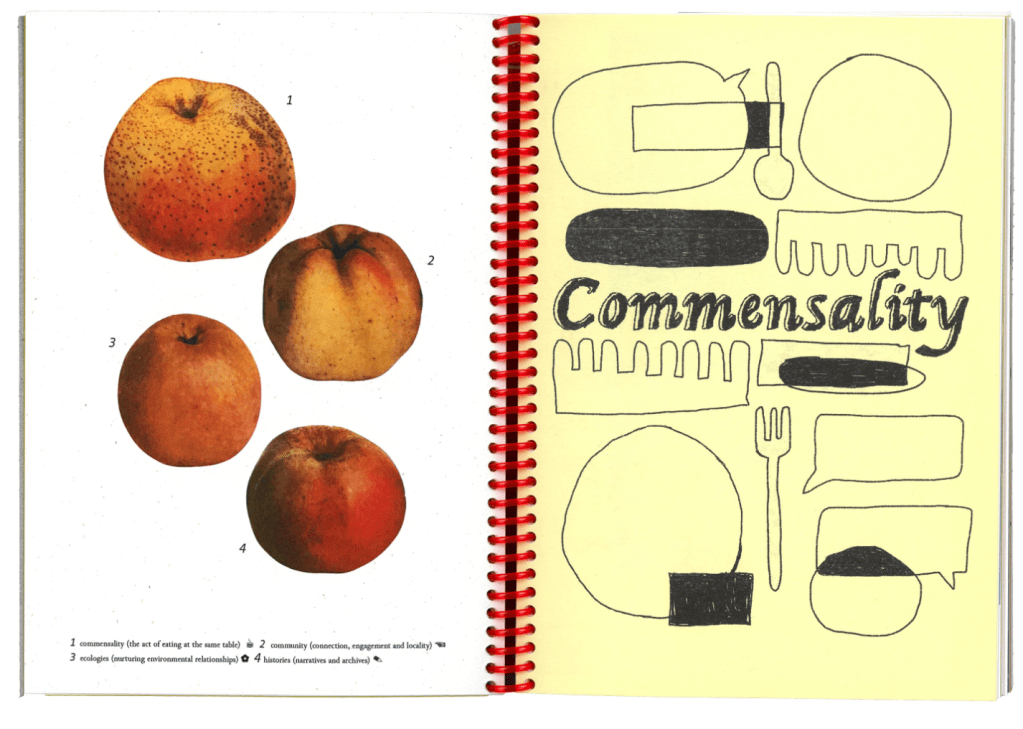
Designer and artist Holly Temple creates socially engaged work about food, community and sustainability. She investigates local environments, and how we can positively impact this in the future.
What drew me to Holly’s work is the use of tactile, accessible ways of designing, using objects, place and typography to capture her development and workings. This way of working connected with how I have been approaching a number of projects recently, but these were live projects happening out there in the world
“Designers must be a communicator and diplomat”
Victor Papanek
“Design is more than just the creation of a physical object. Design is a process that ideally makes our world a little better’
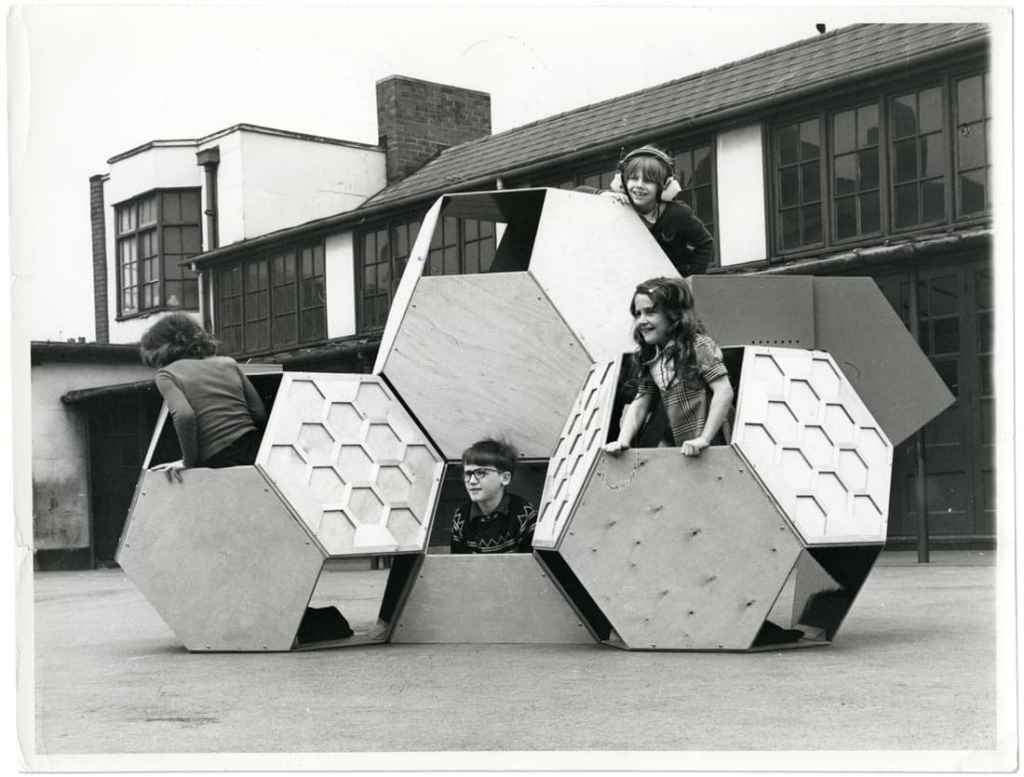
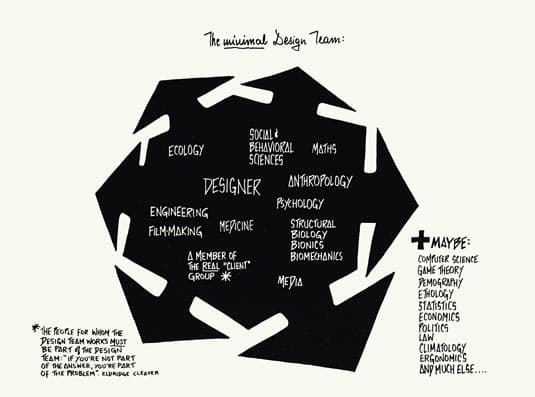
Initiatives looking at helping greening communities: Seeds for Growth
What Seeds of Growth do: ‘We address cultural, social and health issues by creating inspiring progression routes using arts, technology and action learning’.
One of the projects in which Seeds for Growth work in is greening communities – ‘identifying underused land on social housing estates and then engaging with the local tenants to establish a group leading the establishment of community gardens: a place to sit and chat, for children to play in a safe environment, to meet neighbours and make new friends, to grow flowers, fruit and vegetables’
How can a project like this be integrated into my business? Seeds for Growth are currently looking for a designer to deliver brand to enhance and refreshes our image across your business plan (Greening communities) This is an interesting route to discover, this being opportunity ‘live’ but these types of projects could be presented to / pitched to local communities / councils as one example of my practice.
Shape Newham was launched by Newham Council in 2019 to co-design and install 18 imaginative and original public space improvement projects.
This project working both with the local communities and a number of design practices across architecture, space design and graphic design to delivery projects which have direct impact on the local community, difference here though is the community is right at the heart of these decisions and gets a say in the design process – connecting both the community and the impact together – a place you would want and feel proud to live.

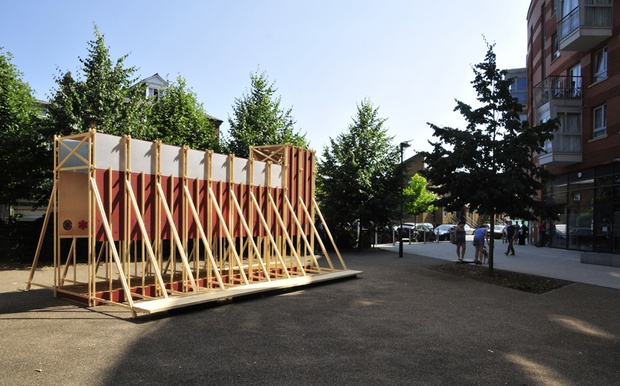
Carver Haggard – Project – Electric Light Station
About – ‘The pavilion explores the layered history of the site and local area, which was historically used both for religious assembly and heavy industry’
Where I believe graphic design can push the boundaries. This project for me is the type of work I would love to see my future practice be involved in. This structure has been built, designed and placed in the location it responds to. Direct influence for the location around it within a community. People can experience it, learn about it and reflect on their thoughts.
How can a design practice present themselves to work in these types of capacities? Not just for the visual inside but to support on the planning, visual concepts and capturing the information collected.
Carver Haggard say – “We have a reputation for finding innovative and low-cost solutions for public and community projects”
Europa Design Agency – Station Road
Europa Design Agency working in collaboration with local council. “The work addressed a lack of identity of place and solved some very practical issues such as retailers addresses getting confused due to a lack of signage”
Community + Design = communities coming together and having an impact locally in different geographical locations.
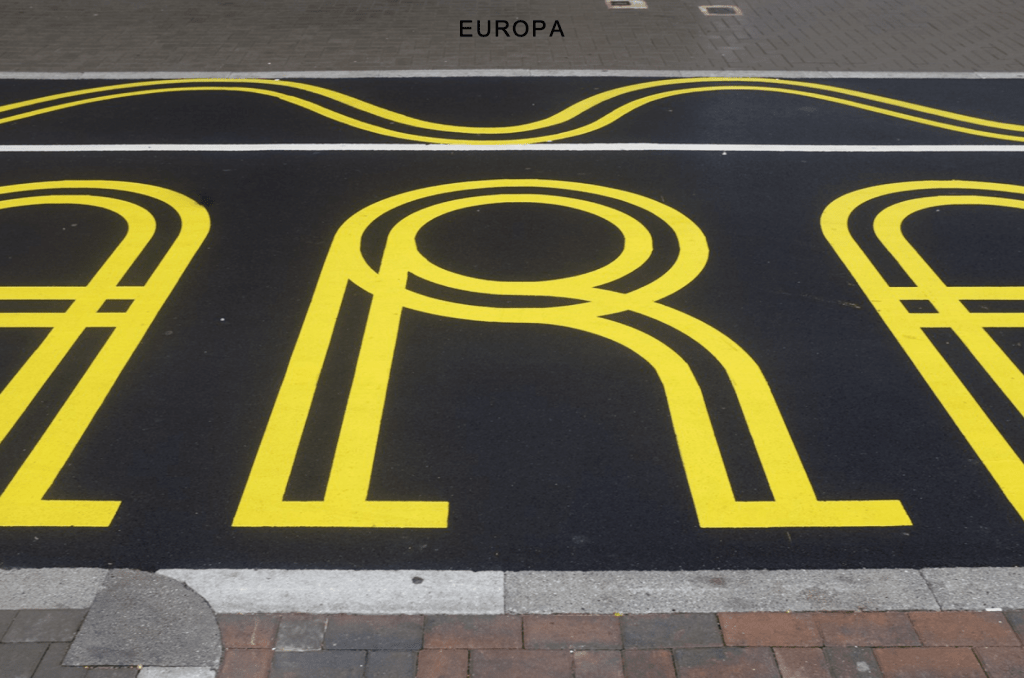
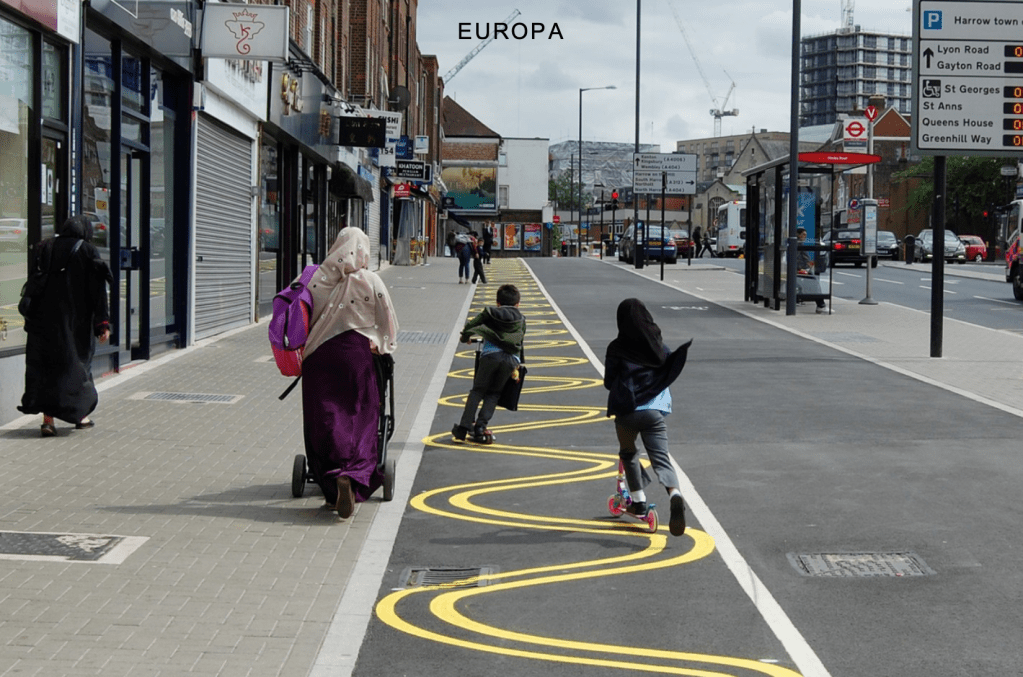
The means – to inspire the places where we live and work.
Ed Crooks – Potential Lightbulb Moment
I came across Ed Crooks while research community led design projects. Ed works across design and art on a number of outputs from installation, publications, 3D work and design. His work resignated with me instantly in that it felt it was pushing what we know as design? The mix of sculpture, design and presentation to create high impact work, within communities which people can interact with, share, be part of. All these taking part in locations and drawing upon these locations.
Red Door Studios – Collaboration with sculptor Di Jones
Red Door Studios are a community focussed space and say that ” We believe working on a grassroots scale is important and valuable, feeling that communities should be led by the people who exist within them. We aim to bring forward less heard voices and open up conversation”

Weekly Reflections
 James Shaw