Lecture Comments
Week 6 Podcast
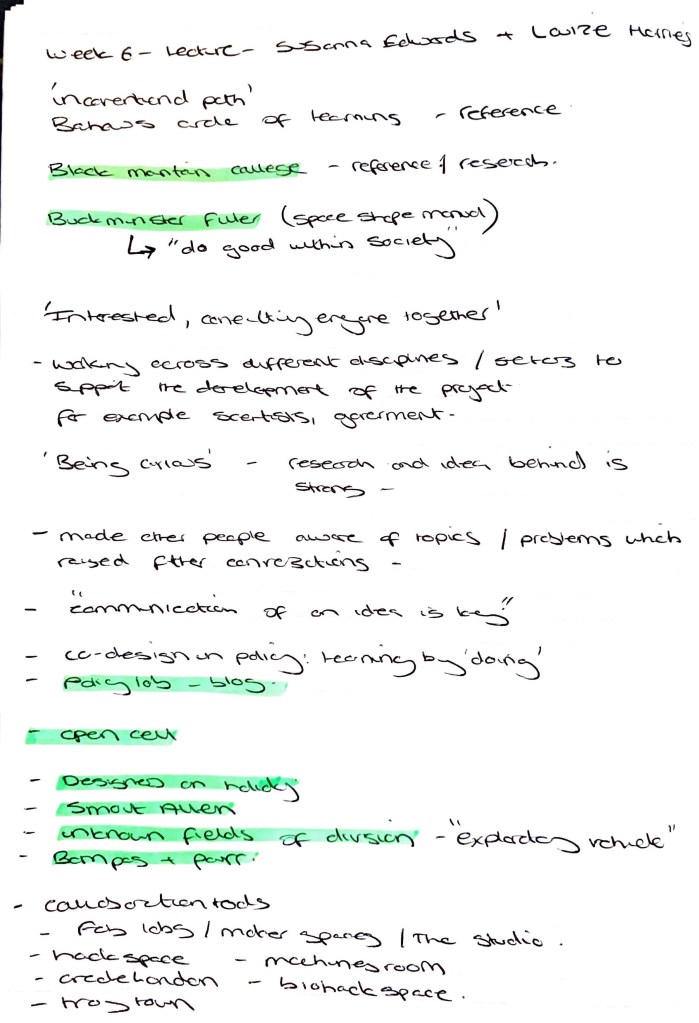
It was fantastic to hear this conversation between Susanna and Louize. Especially Louize’s route to her current position. She described it as an ‘unconventional path’ which has been full of collaborations and different positions.
But a clear theme throughout the conversation was the collaboration aspect. Louize spoke of how she connected with people through different projects, discovering new research and fuelling new ideas and directions. One thing I have found over this module is how I have discovered new routes through extensive research, leading to new findings and inspiration.
“being curious”
“Interested in connecting everyone together”
Continued thoughts from week 6 podcast
Collaborations also allow for the cross over of disciplines to work together like Louize mentions in her drone project and working with scientists. This for me is where graphic design can be pushed and it’s boundaries blurred with exciting and new outcomes across mediums. With the development of my practice I’m hoping to explore how collaborators can be part of my practice (whether this be in collaboration with a local project, for example Trowbridge Eco or a designer.
Design Development (workshop challenge)
Chosen route / thoughts on topic (general)
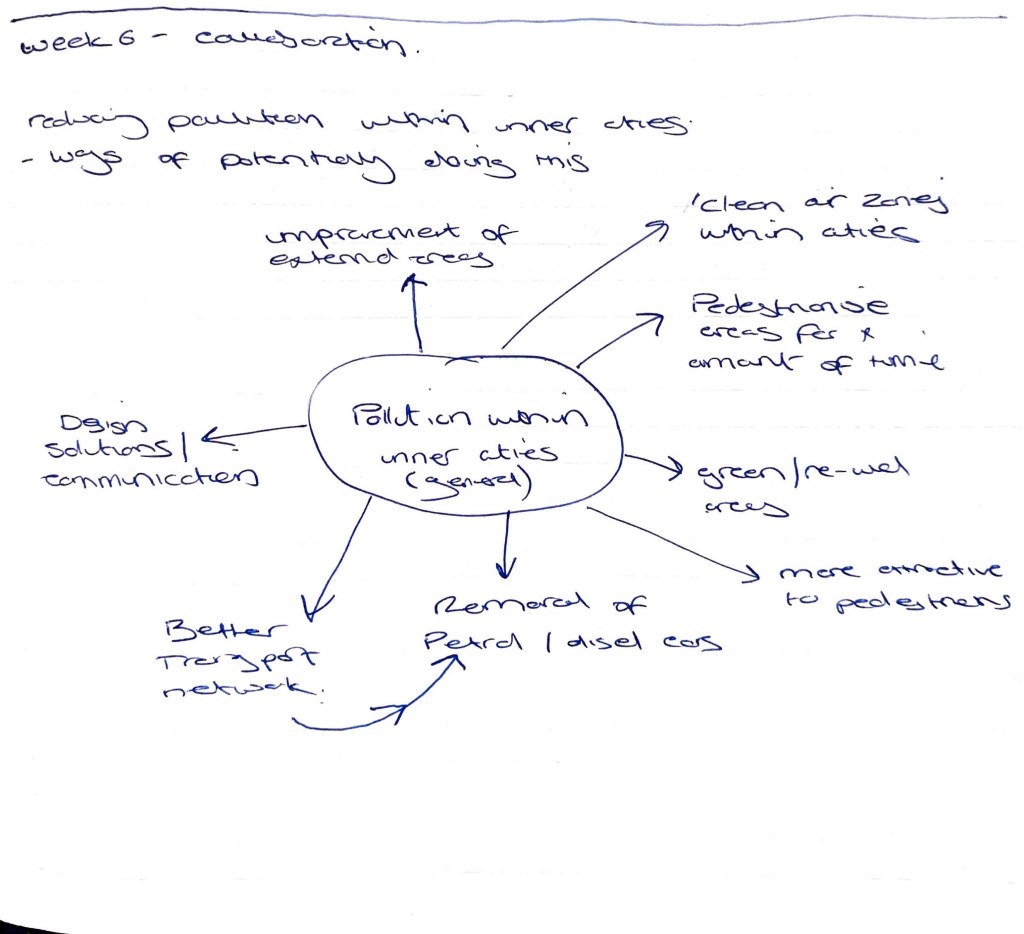
Going to focus on Pollution within inner cities. I have explored a couple of thoughts around what this looks like / is. For example the pedestrianising of streets which are currently roads and ‘clear air zones’ these becoming more common today as we face environmental challenges globally.
This topic also is the type of work I would want my developing practice to be involved with and collaborate on. Not just cities but even looking more locally at what can be achieved through graphic design and beyond.
Chosen issue / collaboration specialist
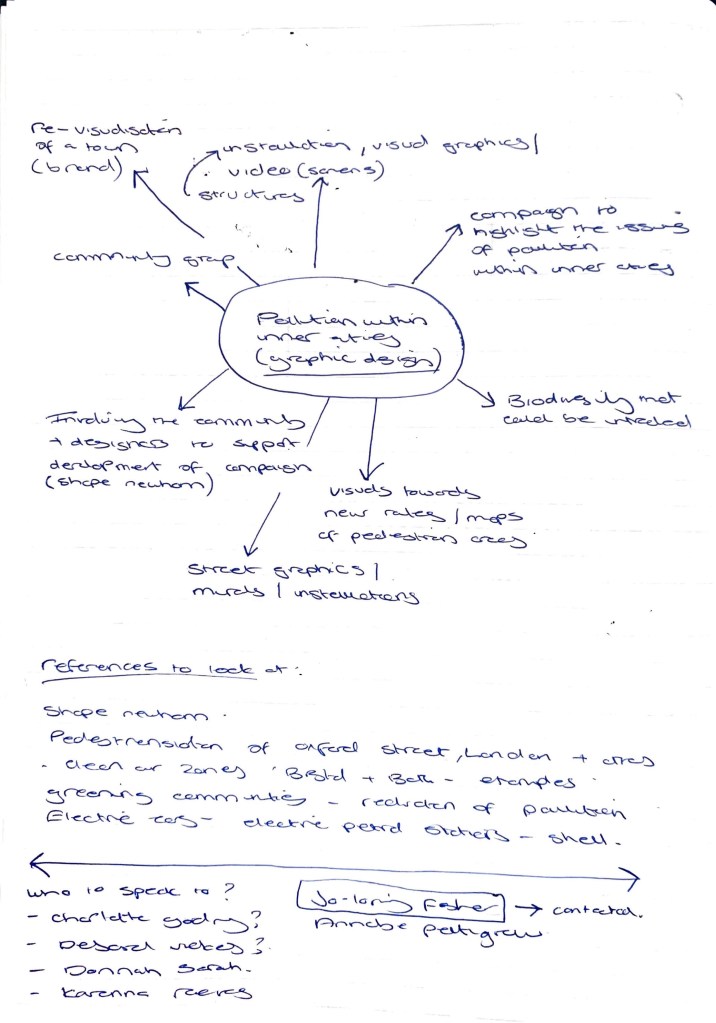
I’m going to be speaking to two specialists for this week’s challenge to see multiple opinions on a singular topic. I’ll be speaking with a children’s book illustrator and creative workshop facilitator plus a biology teacher with an MA in Education.
I wanted to get two specialists involved to see the types of conversations which will occur, this also looking at how I want to develop my practice and work with not just graphic designers.
Initial audio recording between me and Jo Loring Fisher (Children’s Book Designer /Author)
We discussed pollution within inner cities and the conversation led to a range of interesting points being raised with potential project ideas.
What was interesting in the conversation was the different viewpoints which came up and new topics explored. Jo described her opinion in a way which was a relationship between her and the location she lives in, highlighting things she agrees and disagrees with.
We spoke about:
– Pollution in relation to physical rubbish within a city (referencing Bath Spa City here)
– Pollution within concentrated areas
– Clean air zones and how current ones aren’t communicated clearly in location and what they do / benefit
– How small pockets of communities are support but more widely harder to adopt a cleaner thinking?
– Planting of tree within local areas outside of the main city hub
– Aspects of transport (in centre and outside)
– Cost of living
– Geographical and topographical of an area (effect pollution and peoples behaviours here)
– The collection of rubbish
– Peoples attitudes to pollution (air and rubbish)
Key takeaways and quotes:
‘not our problem’ – sense that it’s not ours to deal with.
Community projects are powerful and have impact – how can we extend this into the city, currently happening in smaller locality
Geographical location and the topology of a location can effect the way people interact with their location.
How important it is to communicate what’s going on / what can be done to help. This needs to be clear
Impact individuals can make.
Visuals in response to talking to Jo
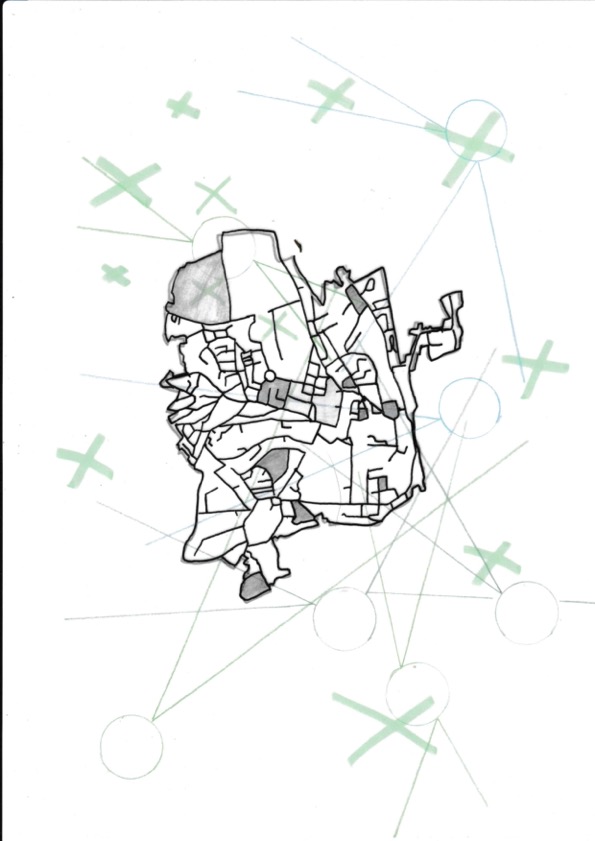
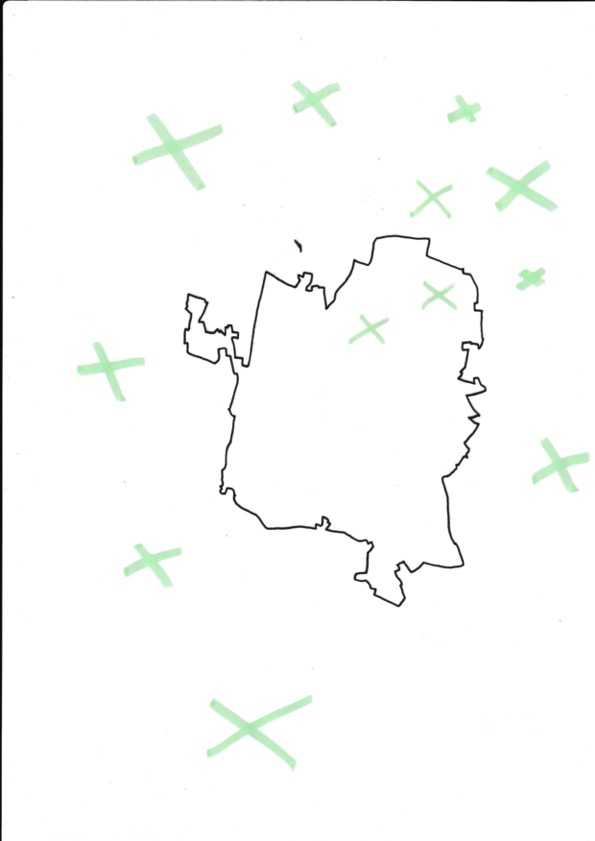
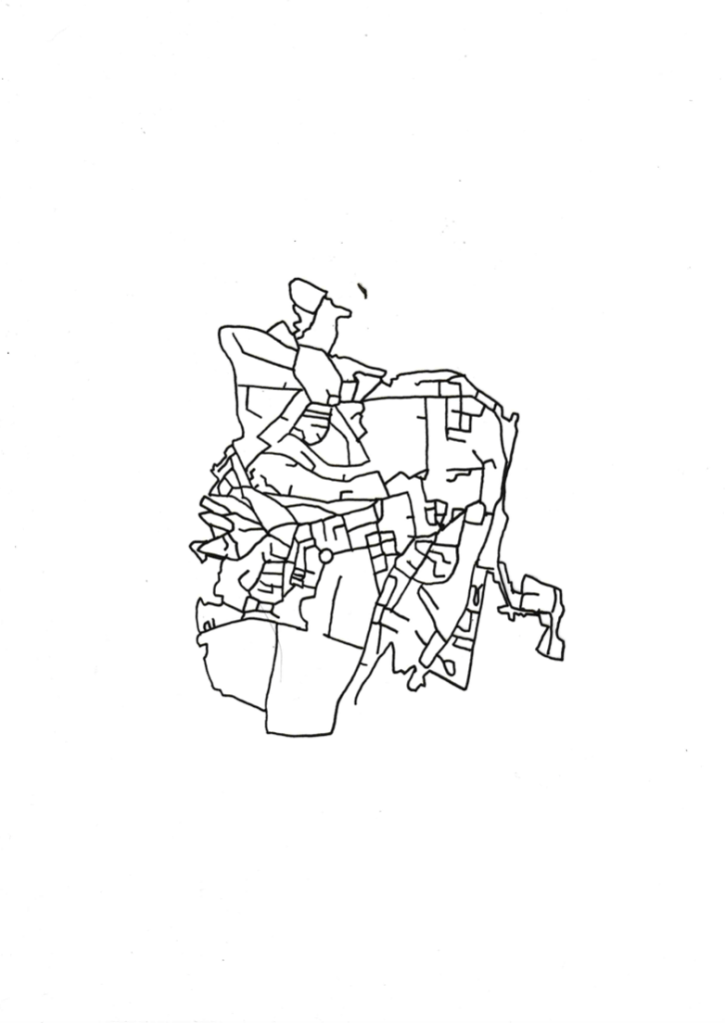
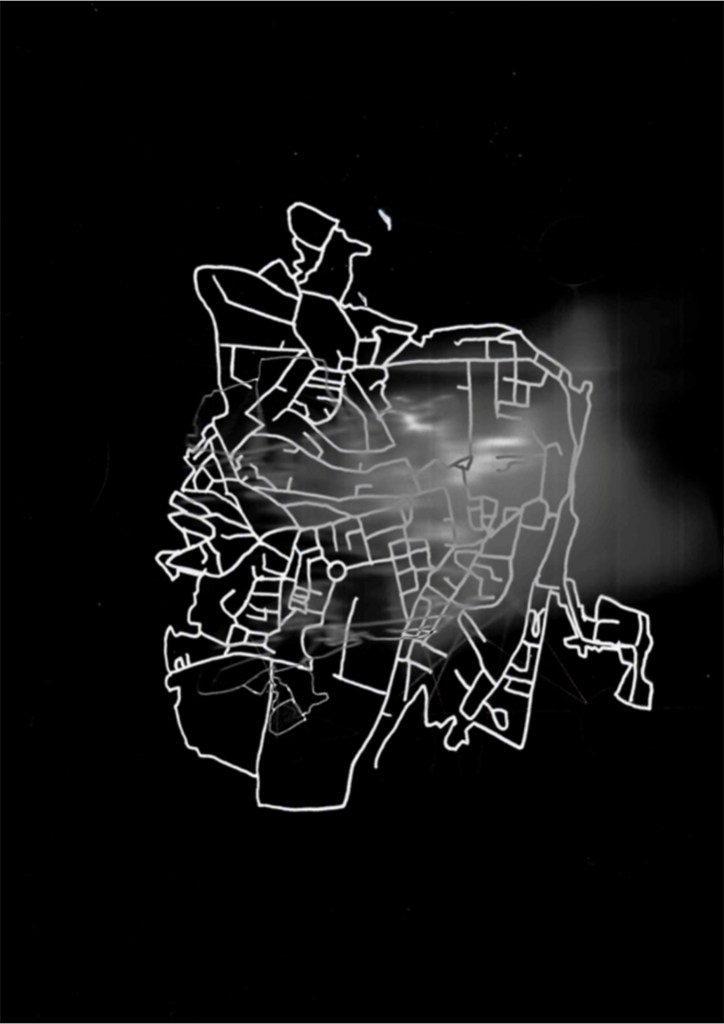
Looking at how a city (which can have a high pollution level) could potentially look outside of the city first? How are communities acting upon situations like this and how could they be explored or brought in to act?
Visuals below are rough explorations of this thought. With the green areas being projects speculatively happening within a community now and less so in the central more compacted area. But slowly seeing the outer areas influencing decisions.


Conversations with Tom Daniels, Biology Teacher around pollution within Inner Cities.
Pollution is going to increase with populations. Councils are trying to make a difference to the pollution levels in the city centres. Bath for example has started a clean air zone which means that older less efficient vehicles will need to pay to enter the city on certain routes. In the surface this seems like a good idea to deter unneeded trips. But it has created rat runs where vehicles that could be charged are finding routes through residential areas that mean they don’t have to be charged. Thus moving the pollution from one place to another. Arguably to more detrimental places where people live. Bath also tried a scheme where companies would have their deliveries sent to a central warehouse and bath council would provide a lorry to deliver to the addresses within bath. The idea to cut down the amount of lorry’s having to enter. This was not well taken up on. It added a day to delivery and most of the time businesses needed their deliveries that day. Bath needs to be careful with the bath stone buildings this is susceptible to acid rain and pollution, you can see buildings that are stained and eroded from this.
London road is a good example of a road that has a constant bumper to bumper traffic – regardless of time of day. What is the possible alternative. They have suggested a new park and ride for that side of the city (not currently one) a new ring road. All of which are apposed by environmental people and residents. Should we not look at the bigger picture and spread out the pollution? It isn’t going away. Roll on the governments plan to only sale electric cars in the next few years.
The environment is a topic that is often popular within school. A lot of the younger generation are passionate about pollution and steps to fix this. We spend a lot of time talking about it and sharing ideas of how we can make change. We have an eco group who have made changed within school. We have stopped single use plastic, we no longer print unnecessarily and we monitor our carbon footprint with the printing we do. We have a program that tells us how many trees we are using and how much energy we have used (in terms of lighting homes) it also tells us how much CO2 we have released. It is not a big part of the curriculum however we have made sure that we are allow students to feel like they can make a change in the future.
Tackling pollution is more about behaviour than anything. How can we make sure that peoples behaviour changes to bring down pollution. If there is a demand for a polluting process, that process will continue. Other than eat local and cut down on food miles it is hard to say single things as it is such a big issue.
Visual Response from conversation
My response:
Tom brings up some really interesting points around pollution within Bath especially around the effect it has on the stone which is the structure of the city. This is most noticeable on roofs and stonework within the city, changing the visual landscape of how this historic town looks. Can looking at how the town has already been effected lead to visual which could have impact? Like the Red Rain Drone Project mentioned within this weeks podcast lecture.
It’s clear there are a number of different thoughts on what can be done to tackle pollution in Bath but it always leads to traffic being diverted to another area of town like Tom mentions.
City’s like Bath are not designed for the amounts of traffic which pass through it so how can something like Graphic Design help this? Does it start at school level, getting students to understand the effects? It’s slightly worrying to hear that these subjects aren’t covered in more detail within school syllabus? Why is that?
or is this a bigger issue which needs to be looked at by the government now… for example the ban of diesel cars which has been put in place already.
Tom makes a point that peoples behaviour needs to change to reduce pollution which is a tough ask on mass. I spoke with Children’s book author Jo-Loring Fisher who said it could be that it starts in communities and grows into larger projects?
Responses from a wider community outreach:
Heike Butler – “In my opinion design is a huge factor, people are so distracted by everyday life that the basics need to be put in place to reset behaviours. That then needs to be underpinned with education, starting as early as possible. Campaigns can work, but it I think they can be hit and miss, and potentially not reaching enough people. Also, if you get the design right people will be more respectful and supportive of what you are trying to achieve”.
Zoe Irwin – “Many urban centres are devoid of trees etc. Introduce living walls for air pollution Introduce trees to reduce sound. Direct light down on streetlights to reduce light pollution. Understand what causes traffic build up and look for solutions. ie. Trowbridge has pupils walking to secondary education, crossing at designated road points, but the lights are not linked to allow flow, so standing traffic causing pollution. Introduce ways of slowing traffic coming into Trowbridge (Wingfield Rd and BoA Rd) by way of lights, at edge of urbanisation allowing better movement of traffic at Station /Church roundabout”.
Questions and thoughts:
When designers work with other disciplines (for example scientists / with educators) can they produce more powerful impacts.
Is there a space for a practice which has a core design team and also hires artists, educators, scientists?
How do we as designers continue to push the boundaries of design through collaboration?
How can my practice start to implement and explore collaboration to structure and foster an experimental practice across different mediums.
Do we always need to collaborate?
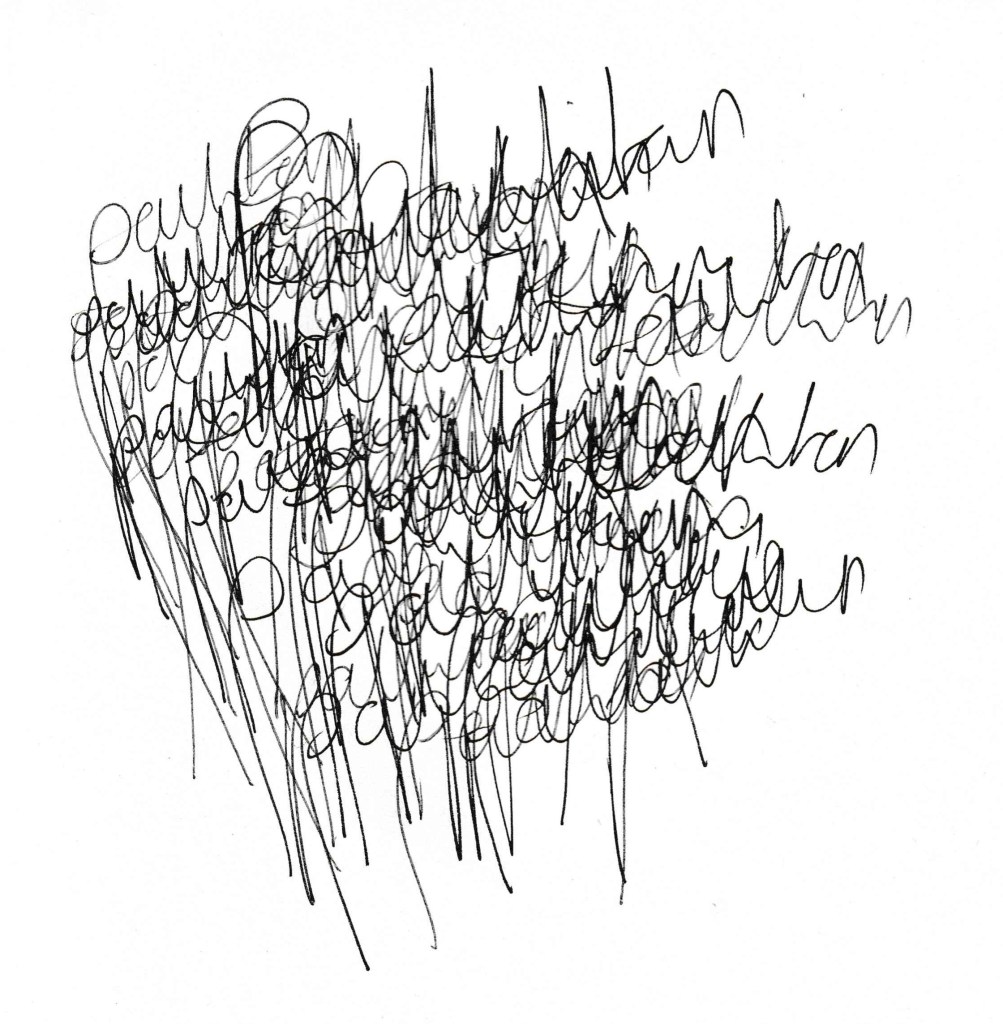
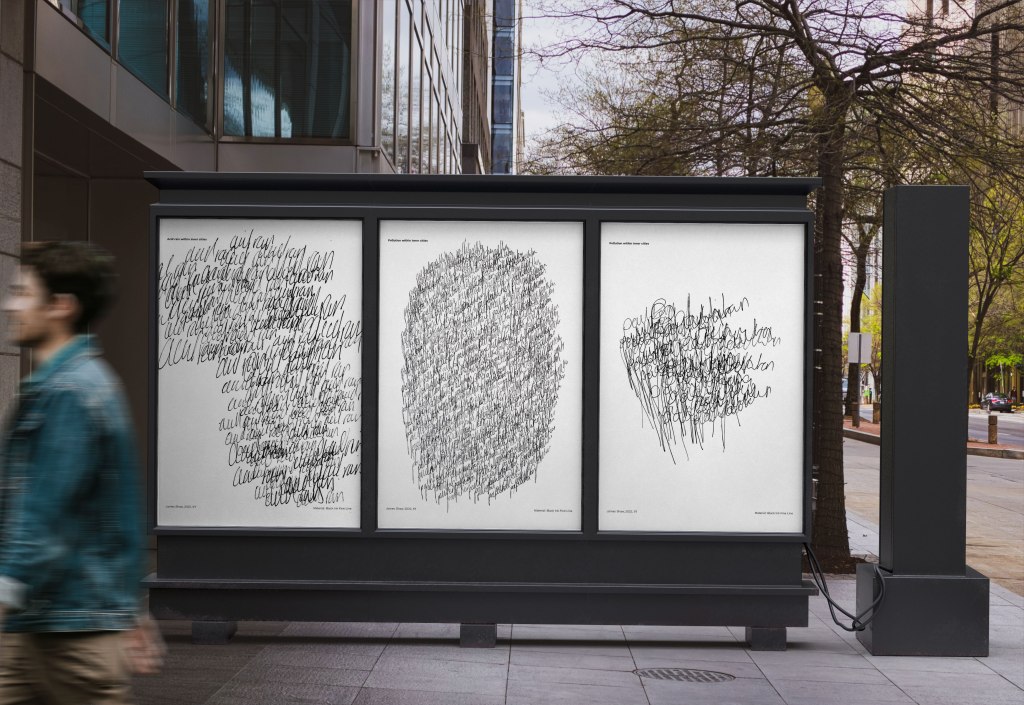
Visual responses to conversations around pollution within inner cities. These will go into the conversation visual.
Poster / pollution responses
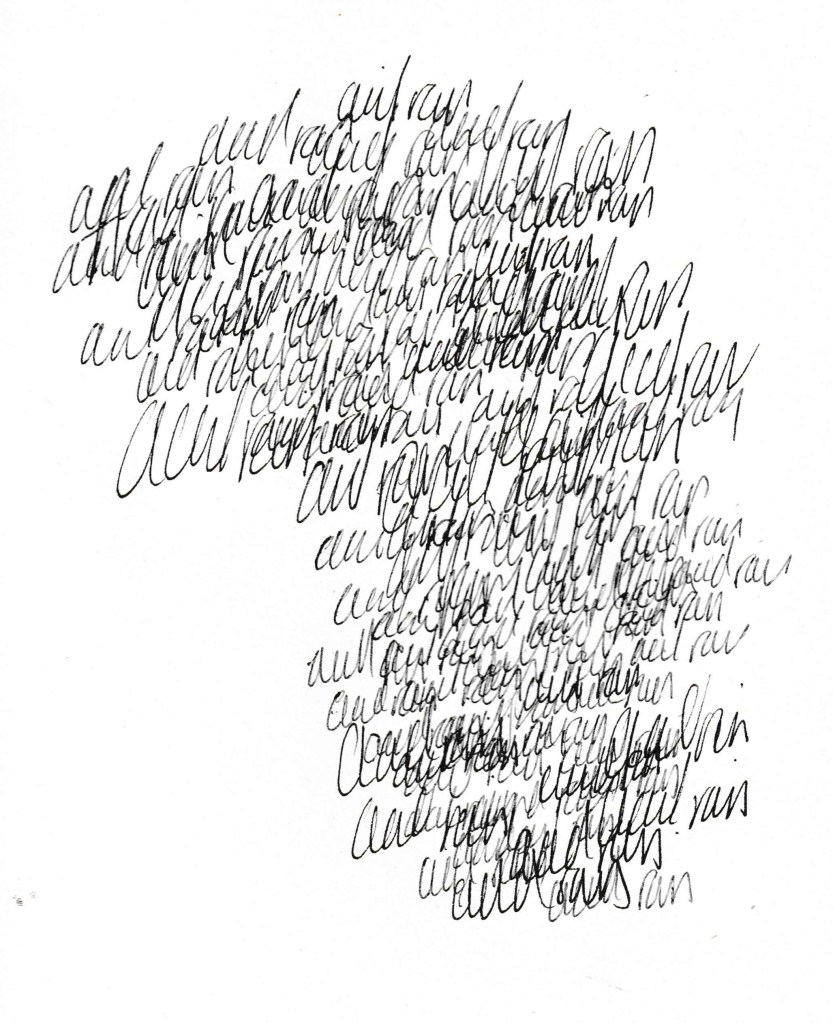
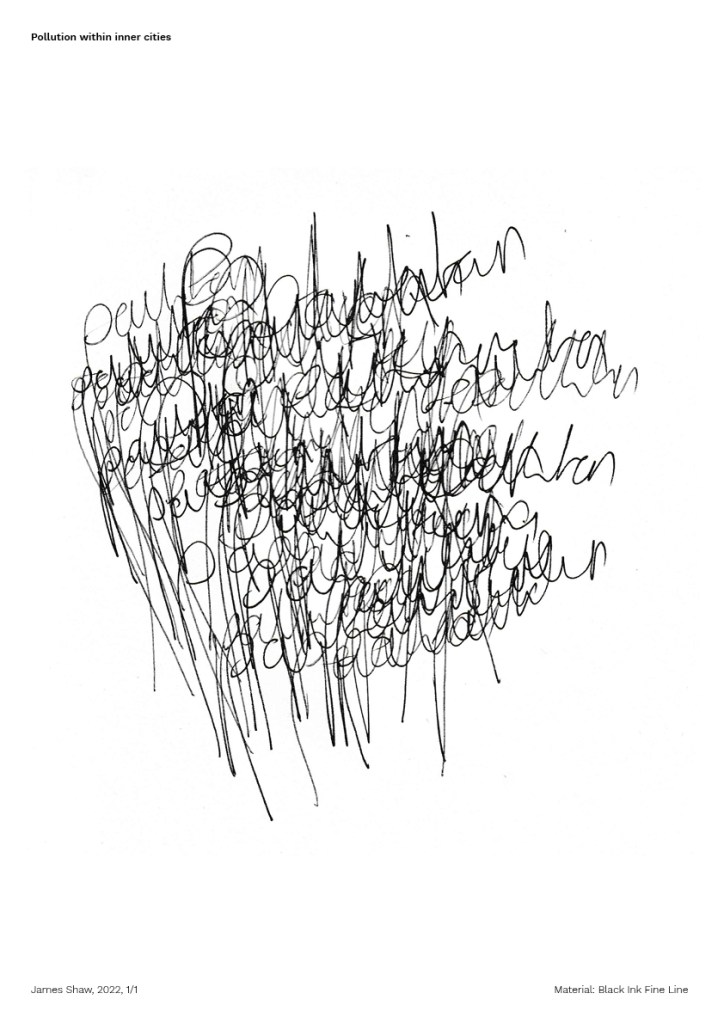
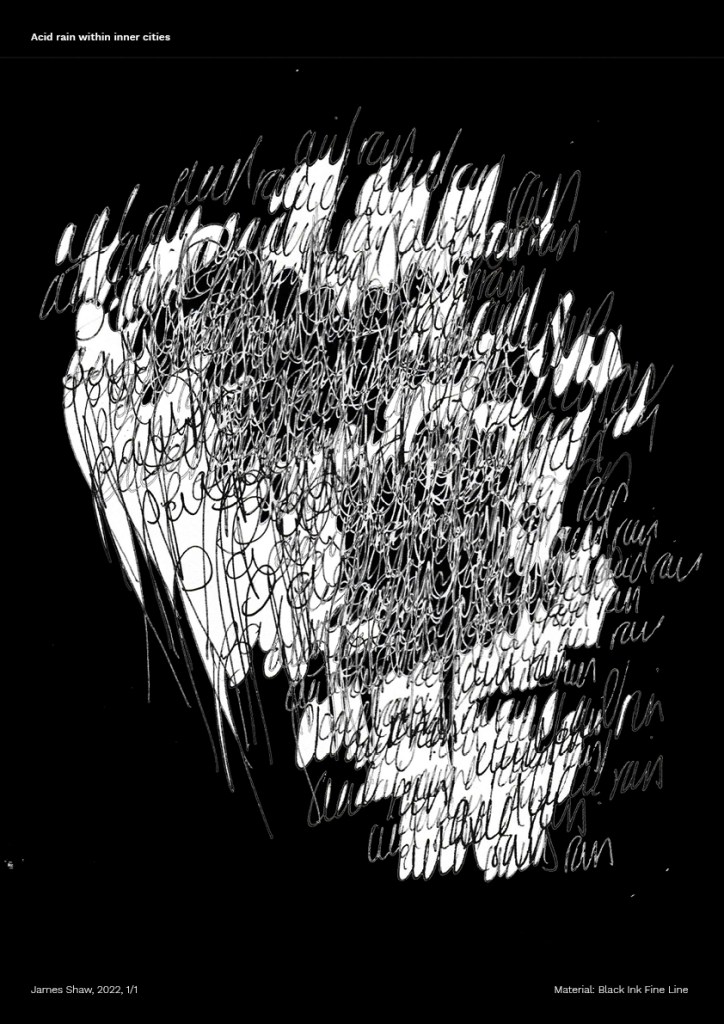
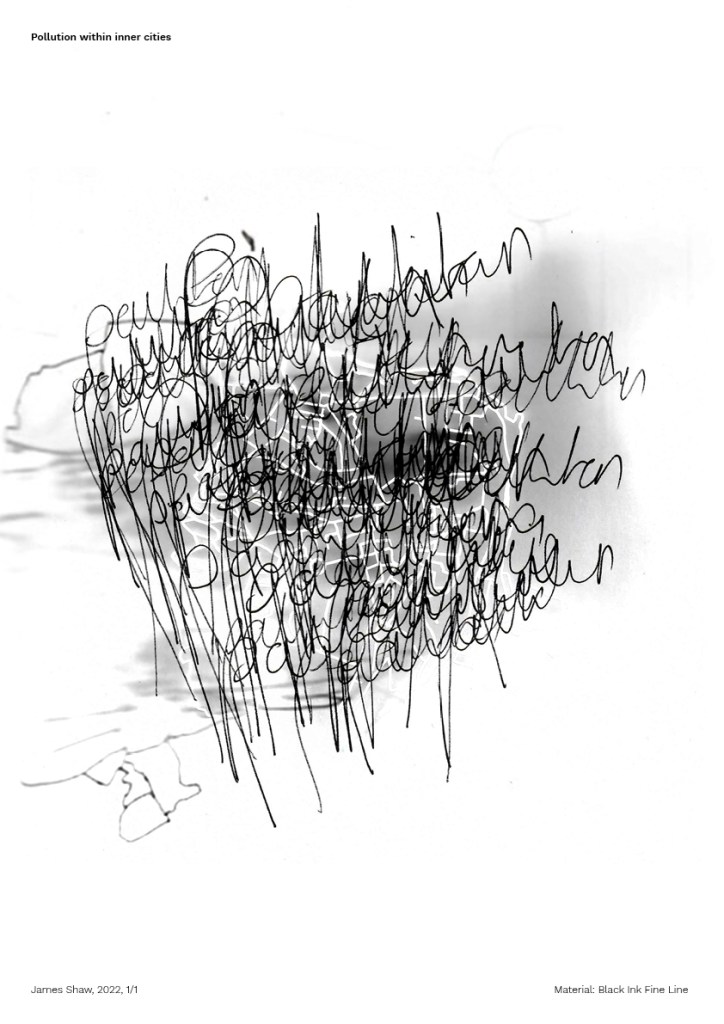
I did a set of visual responses after and during talking to a number of people to capture their thoughts. This thought of chaos and sense of overwhelm from the subject but also the mass pollution within a city which spreads out and stands still. For example in Bath pollution is localised and has hot spots with more dense pollution. These typographic responses show the dense pollution and emotion of how important it is we recognise what is happening.


Final outcome (podcast / written documentation)
This weeks outcome wasn’t my intended medium but my recordings / interview did not work out to be podcasts. I would have liked to have got more in detail content and planned it better however this didn’t work out. This week I decided to take the approach of a more visual / documented piece. I responded visually to the task and the conversations I have had with those around ‘Pollution within inner cities’
The conversations I had brought up a number of interesting ideas / thoughts especially around project ideas outside of Graphic Design, including the amount that is taught within schools for example. But also project ideas came up around signage, books and advertising. Each individual I spoke to had a different approach which was the best part, Each had a different idea of what pollution is and what it means within a city landscape. This is where us as designers could tap into collaborative projects which lead to different approaches and outcomes, connecting with different sectors.
In addition to this I wanted to create a set of sounds from the conversations I had to emulate the pollution within the city. Overwhelming sounds and layered up to create chaotic sounds.
Research
“If humans are shaped by their environment,
then this environment has to be made human”
Marx and Engels, ‘The Holy Family’ (1844)
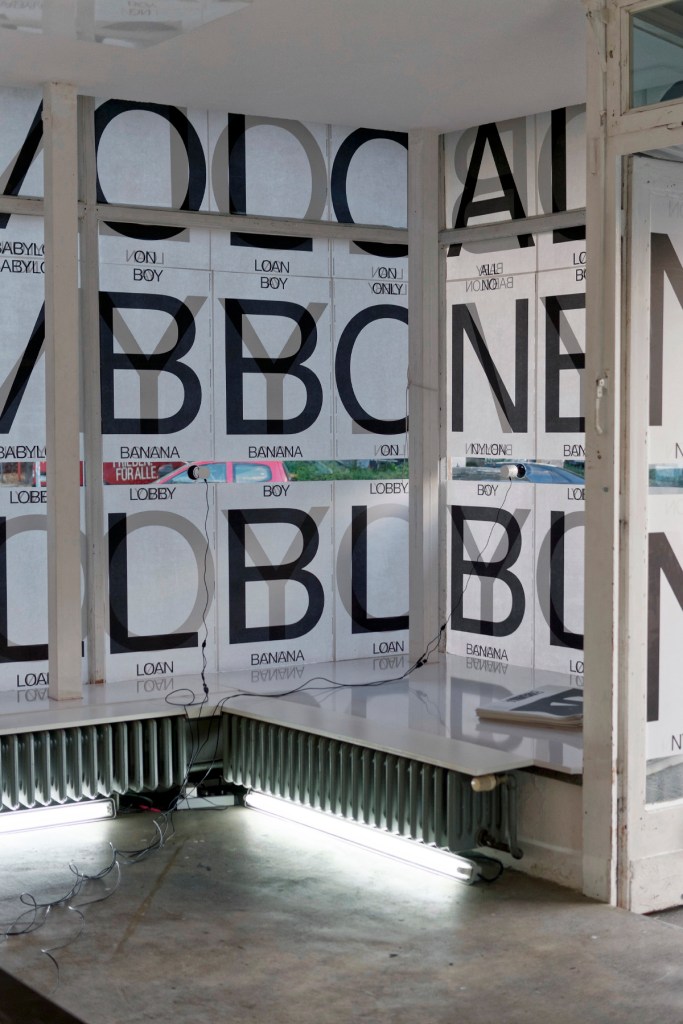
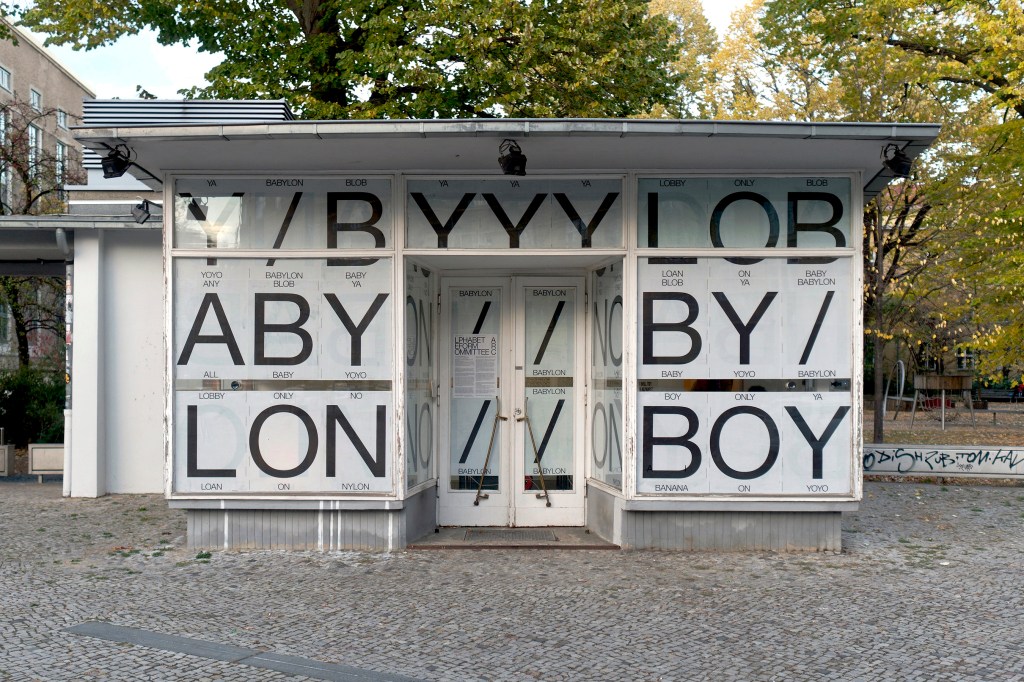
Experimental Jetset – A-R-C
Where mediums come together and collaborate to produce a multi sensory installation. Experimental Jetset collaborated with a sound compose / artists to produce a piece which explore and delivered across mediums such as sound, light, typography, structure, conversation, design and words.
What is most intriguing and relatable to me is the relationship the structure has with the location and how the location is informing the decisions made. Nearby structures (the Babylon Cinema) influenced the typographic display which cam be seen across the windows (referencing to when window shops are covered in newspaper when closed down)
Within this collaboration the responses and outcomes have all been influenced by each other. The typography and script were informed by the sound created and the sound was influenced by the structure. A natural collaboration which looked at the information for its response.
How can we as designer explore collaboration through responding to each other? Can we be brought into a project to collaborate on what’s existing to find new a unique ways of communicating?
Abake
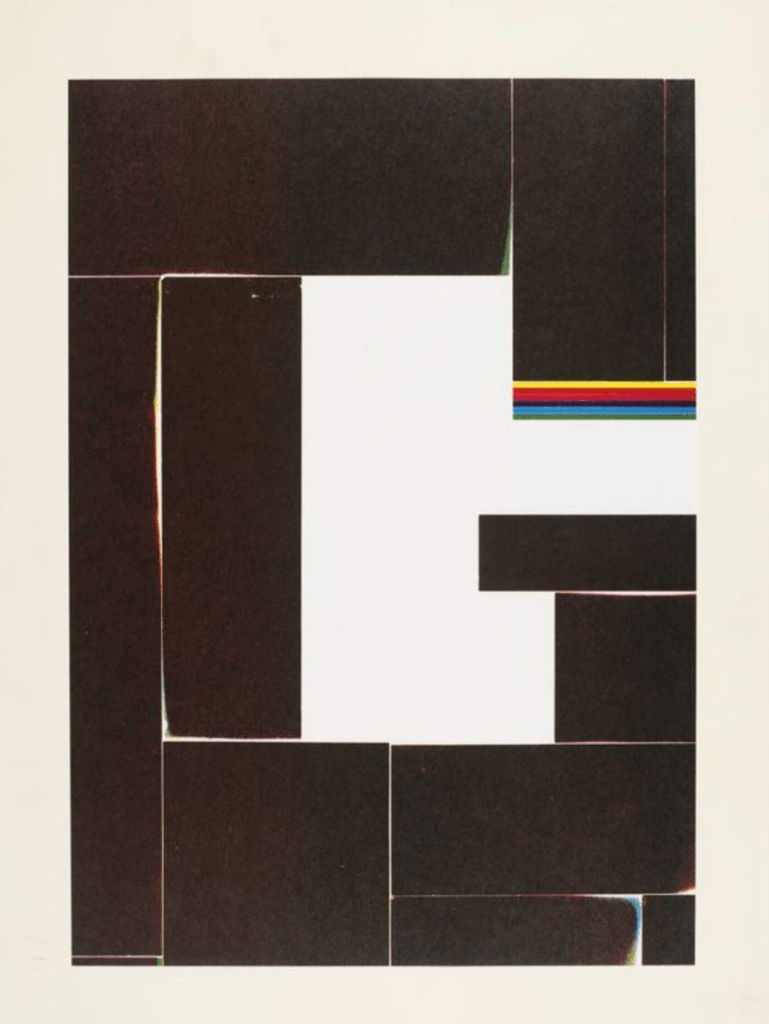
4 Graphic Designers Collaborating. What makes the partnership is the collaborations which happen between each member. The 4 are from different locations globally, this brining its own influences and directions to projects. This set up must allow for an imaginative and creative design process. Below are two of their projects. The Slow Alphabet & The School of Fugu.
The school of Fugu has been set up which is all based around one object / animal/ subject. Abake use this as a springboard to multiple directions, explorations and studies. What excited me here initially is the sourcing of materials from around London. For example the posters which have been created are found posters from the streets of London which have been re imagined with hand drawn and impactful typography.
“We discover a whole world of knowledge emerges when we playfully trace one thing across the ends of the earth.”
Abake

Weekly Reflections
I’m working towards finding a better way which works for me for each week and trying to focus my work on my new practice which I’m developing. This week I took a more conversational approach to the project as I want to present it as a written piece rather than a podcast. I recorded the first conversation I had but don’t like how its ended up. I may extract elements of this sound out and insert them into the interactive document.
Things to improve on:
– Keep reflecting on how I am developing my practice and use the tasks effectively to help aid this.
– Continue to research and explore existing practices and projects which will inform the development of mine.
 James Shaw