
Industry / Peer Communication
Design Development
Review of MA so far. Subject areas which stand out.
What have I learned
So far over the MA it’s been a personal learning experience. I’ve almost been able to re-evaluate my design practice and find out what it is within graphic design that I want to explore and continue to develop. I came onto the MA with a design business which worked predominantly within the commercial sector but over the last year I’ve moved away from this and started to creatively explore a more low fi, community focussed approach to design. I’ve taken a step back, almost removed ‘digital’ and started to work with a more hands on approach. This led to a more exciting process, which has continued to drive my ambition to explore and push the boundaries of what graphic design is.
I’ve also been able to appreciate and study influential, historical and current industry leading graphic designers. Exploring how they work, what drives them and their passions. It’s been a driving force to find my pathway within graphic design.
What have I enjoyed the most
One of the things which I have most enjoyed is the freedom of creativity and being given a space to creatively explore. I’ve been able to apply and use new ways of thinking and working to respond to projects. It’s allowed me to explore low fi techniques and get stuck in to projects which I want to explore. A sense of relief? The boundaries of graphic design have been knocked down and opened a new way of working for me up?
Another point is the virtual studio life at times. When working solely it can be isolating at times but having Padlet has a place to share, comment and reflect has been fantastic. You’re able to see how others are documenting their journey, be inspired by them and learn from them. It also gives a space where you don’t feel like the odd one out?
What has been a learning curve
The realisation that I may have been focussing my time within my business on the wrong things? You keep going and work to sustain a life but it has taken me a while to realise the design I’ve been working on isn’t something I enjoy? I always had this more ‘arty’ side to my practice which never let loose. It was always kept behind closed doors but through the MA I’ve realised that it’s part of my practice and applicable in multiple different ways.
Also a learning experience (which is ongoing) is confidence in the work i’m producing. The MA has given the space to explore and share this new way of working and thinking. People understanding the direction and responding has really helped support my developing practice. It’s explorative and boundary pushing so the reaction could go either way. I’ve started to see that I need to be confident in talking about my work more (this has been a development for 5+ years now) but also confident in the decisions I take and reasons why.
Potential routes for final MA project (high level themes)
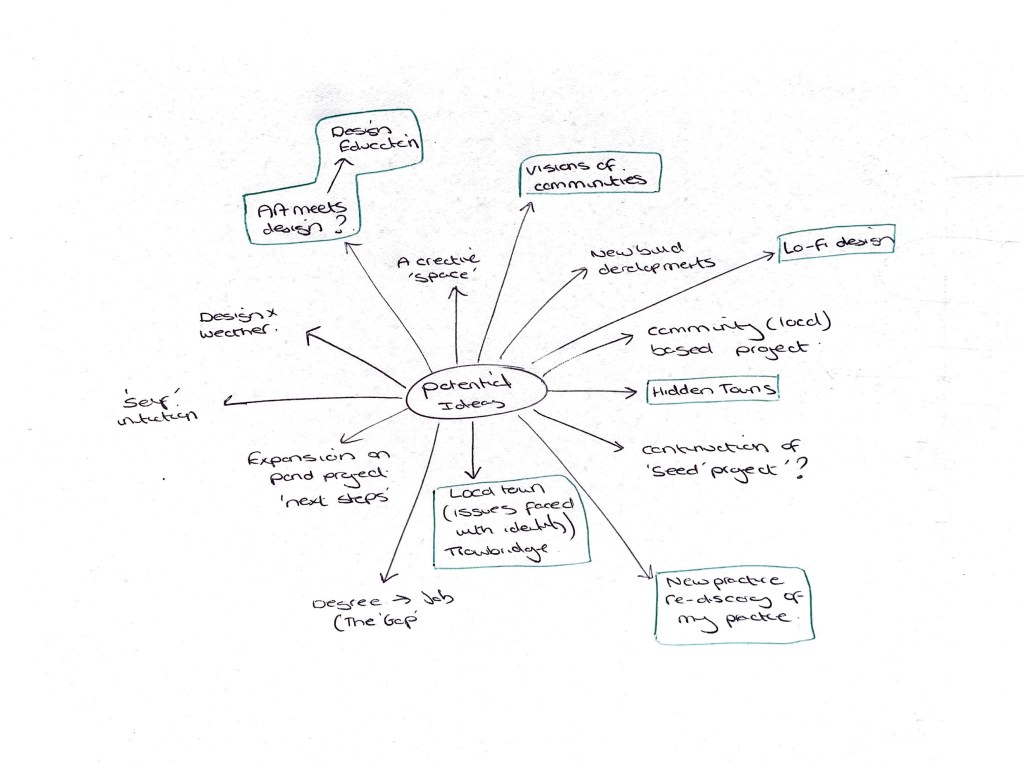
Initial discussions around themes and ideas.
Location – Can I explore (with a similar approach to the Mill project) a location / significance of an area, this could be area of growth (my personal life) which in this instance would be Oakley, Hampshire, Basingstoke, Hampshire, Liskeard, Cornwall, Bath (weston and central), Trowbridge and now most recently Westbury, Wiltshire.
Within these locations the idea of exploring peoples ‘voices’ and an importance of the area (could be historical)
How can I present a city, with the enablement to increase footfall and interest within the town
Resident Narratives and how they explore a location
spaces and voices within towns (community) to have impact / raise awareness of a problem / situation of a voice.
Place Branding – My thoughts
Referencing Article from Design Week – Why are more cities and towns taking on place branding?
Can an identity transform a location? (city, town, village, area, borough) I believe it can and it’s been shown how successful it can be however does it always need to be a ‘brand’ Is there other ways in which a town can showcase itself through visual materials? Locations are made up of so many different things, structures, people, materials, daily happenings, narratives, voices, history, future, plans, design. How can these elements be drawn upon to showcase a locations identity. Shouldn’t we be tapping into materials and what’s there to produce? Why invent something new in this case when there is a rich array of materials already there waiting to be explored and experimented with.
When exploring a local town to me I investigated a series of buildings (on a small scale and in a short period of time) and I was able to uncover narratives, peoples history, the buildings influence on the town and how it effected the community. This provided a rich base for design to be explored (which came from the town)
There is positives to branding a town however as we’ve seen in the example above and in the likes of cities like Porto and NYC (Wolf Ollins)
Peer to Peer – Thursday 29th September
I shared my initial thoughts on my project themes. Around the idea of exploring the structure and voices of a town can provide a identity to the town (with the sense of not having to create one from new) using materials within the location.
A few points were raised around hidden and unsuspected findings within towns to uncover narratives. This sense of a ‘dream, fantasy’ Exploring how certain elements within a town can be markers of identity. Tove mentioned there was a certain building within her nearest town which had a particular construction method and this had could be stripped down to show the history of the town (that being one marker)
Key words from conversation: Peeling off layers, Layer of understanding, markers, unexpected, invisible, unhidden.
Words which focus on my area of outcome
Community, engage, tactile, narrative, structure, material, typography, location, identity
Review of past Mill Project
What worked well in what was explored?
The exploration and depth of research initiated. This project allowed me to explore something different, an area I didn’t think could be explored within graphic design. It’s successes lied on the collection of material and how this responded to the structural history. This allowed a catalyst to explore elements such as typography and layout. (could be taken allot further) The project had more elements and routes it could take with a similar approach taken on other areas of the location. It was also something new for the town, the town is in state which is struggling to attract new visitors (could this become more of an identity through the markers found)
I looked at the mills and how the creativity which existed within them could be used as a catalyst to support the town
Why is it I want to revisit and explore this area?
Since the commencement of this project it was a rich design process full of found materials (but not full explored) I’d like to see how the approach I took on the project initially can be taken further in terms of its publishing possibilities.
The interest in finding information out, exploring it’s raw material and creating. This project allowed me to really flex my design area across both a more hands on approach and digital. The opportunities here could explore other towns.
Community – I was also starting to speak with the local community about the project and they started to share their stories, stories which others wouldn’t have heard (maybe even historical)
What was interesting about this project?
The discovery of narratives within buildings that the community (local town inhabitants) didn’t embrace and celebrate? These findings were creative, integral to the development of the town but they seem hidden from sight bar one museum. The depth of findings and routes which were explored to get to a point of creative output. Raw ethnographic materials were used to visualise the findings, leaving individuals to decide what they read into them (open for suggestion and interpretation)
What areas of the project stood out?
The influence of ethnographic research and how I Undertook it but also the contributions those living within the town were willing to give. These stories, snippets of information led to further research and exploration of the town and beyond. My tactile approach in taking physical rubbings from areas become powerful (these also became open to conversation, people could look into what they got from them, was it a historical past, a creative past or was it simply a mark to signify it currently)
Where did this project come from?
Initially stemmed from projects initiated within module 710 – exploring our immediate locations, unlocking what was happening right on our doorstep. What can we find locally to initiate projects. Are materials (such as pavements) materials we can explore in communicating identity. Exploring how a typographic presentations can be created from our immediate location. Drawing upon research to present typography of what we knew of a town. These are a few of the projects which started this way of working and which eventually allowed me to start the mill project – It was an expanded take. It also came from interest and almost discovery of being nosey. I wanted to know more about these buildings and why the town was in such a state.
Can this project be opened back up and explored further?
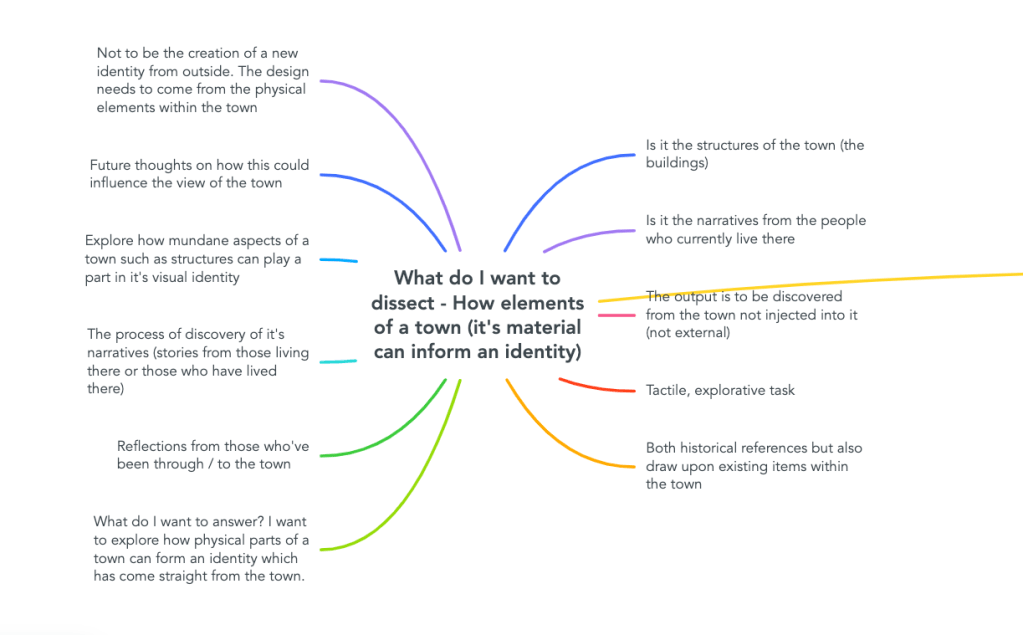
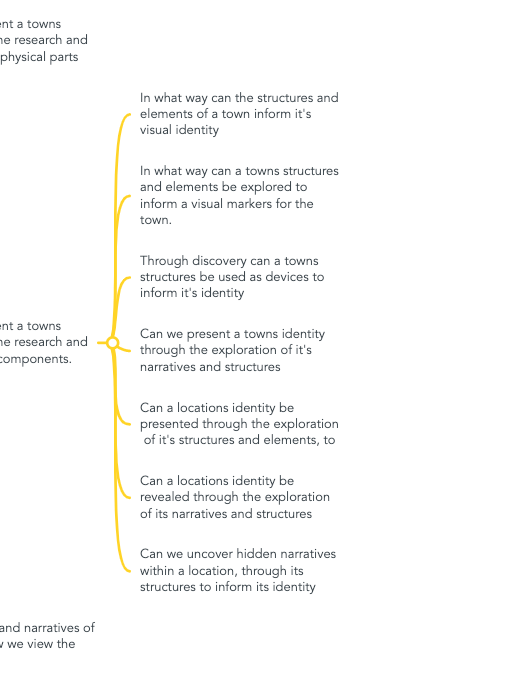

Further development of questions from research
Can a towns identity be shaped by its structured components?
Can a towns identity be shaped by the discovery and exploration of its structured components?
Can a towns identity be discovered and shaped by the exploration of its structured components?
In what ways can a towns identity be shaped by it’s structural components –
In what ways can a town’s identity be shaped and communicated by its structural components and narratives?
Current question: How can a town’s identity be shaped and communicated by modifying its infrastructure and drawing upon its narratives?
Research
Salts Mill Yorkshire
Why have I looked at this? I’m wanting to connect with space and people especially within town’s which might not have high profiles. These locations have an opportunity to uncover rich narratives which lead to exciting stories and explorations. These leading to supporting smaller towns in showcasing what they have. This also gives the town a voice and place to share.
Salts Mill was originally a cloth mill with production ceasing in 1986. Since then it’s been re-imagined into a place where culture and commerce could converse together under one roof. A space for creativity and collaboration. The space has been kept alive and busy (the way it was when working as a cloth mill)
What I’m most interested in here is the contrast to this Mill and the mills within the town of Trowbridge, Wiltshire (these have mostly been left) one has been turned into a museum to celebrate it’s heritage and impact but why not brought further back to life with the community having their say. External factors such as money and the ‘want’ and ‘need’ will most likely play a part here.
From another viewpoint do we need to restore them? Does this remove the narratives which lay within the walls of the now ceased factories? is there a way we can preserve and capture these through design? (sound, voice, words, images) And let others explore the workings?

Grayson Perry – The Vanity of Small Differences
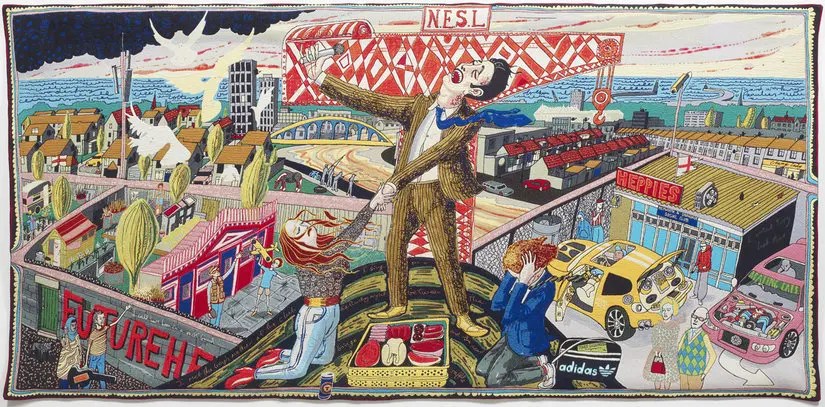
Make your city
I’ve been exploring a number of routes for my final MA project but it’s still early days. What I’ve started to really become interested in is locations and the voices and structures within them. I touched upon this within a previous project where I explored derelict mills and how they could be presented to enhance the location. The city as a shell project looks at the historical aspects of the shipyard and how it can be redeveloped. This giving it a new life but also the surrounding areas.
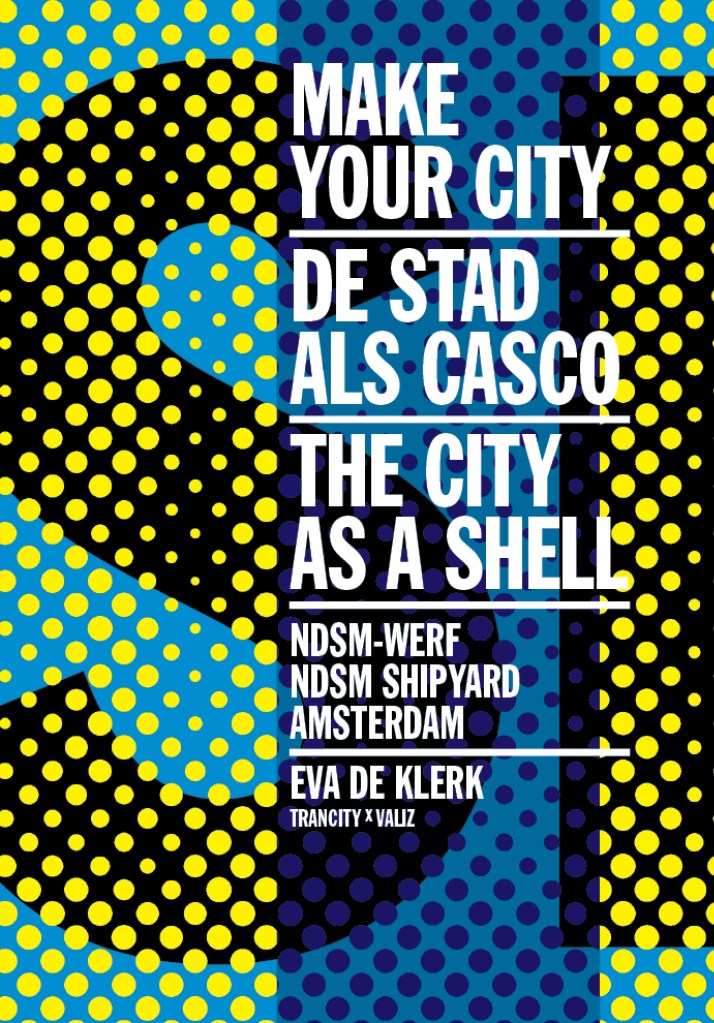
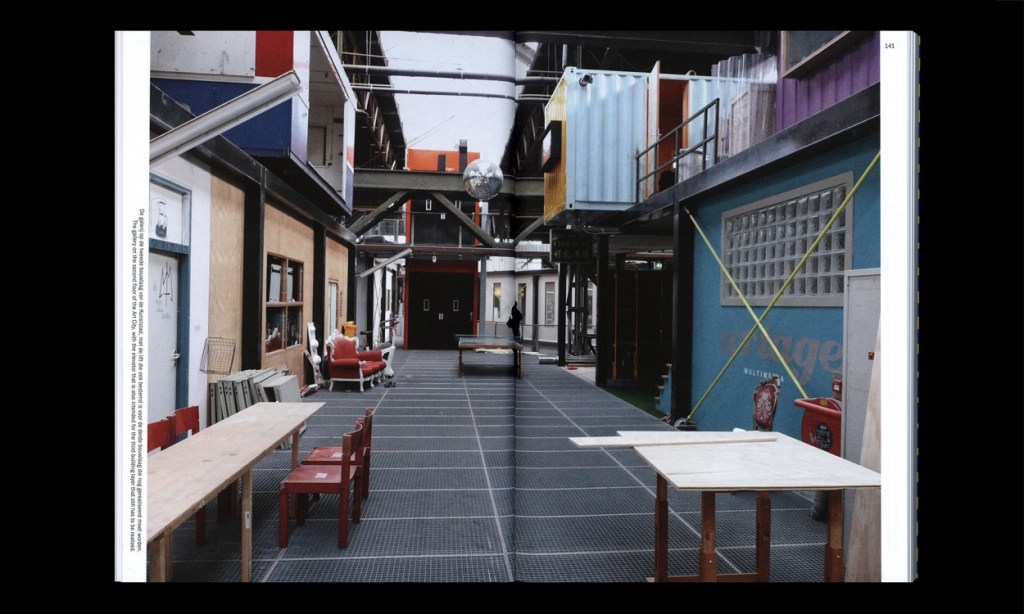


“This volume explores the interplay between the concepts of narration, space, and the everyday in the city through a variety of disciplinary and interdisciplinary lenses”
I find the term lenses really interesting in how it can be used to view a location (town, city or village) in different ways from varying peoples perspectives. Not everyone is going to have a positive opinion of story to share but these need to be heard to understand the everyday.
“De Certeau urges us to look at how people inhabit the city”
Yes but should we also be looking at the makings of a city, the buildings, the floor, the shopfronts, the urban design, the traffic, the sounds to see how these people inabit it?
“apartment buildings have been renewed or torn down. Street patterns have been restructured. Established residents are moving out and new groups are moving in” page 98 chapter 3
This discusses exactly the area I’m wanting to explore. New people move into locations, old ones stay, new stories emerge, old stories are hidden. The way the streets and buildings are viewed within an area are constantly changing. Is the identity of a town always evolving from the people and structures that are within it. They may be falling down, they may be being torn down to make way for new buildings (giving a new identity marker for the town) How can locations , stories and structures play a part in identifying a town? Should the people be part of this and have their say.
“My intention is to explore Reimagining Nieuwland 99 how urban space is reimagined by using these residents”
“Place,” for my purposes, is not just a décor or setting, but foremost an inherent part of
the social fabric and the formation of personal and collective identities.

“What does the city’s form actually mean to the people who live there?” Page 1 – Image of the city
How can we use peoples voices to understand what a locations identity is. Coming from outside and potentially never living there we rely on what we can see, but this may only be a snapshot. The people who live, travel through daily will have stories about the location, family memories, memories of certain times… all things which influence the town’s moving identity.
“At every instant, there is more than the eye can see, more than the ear can hear, a setting or a view waiting to be explored” Page 2 – Image of the city
We all view things in different ways… What one see another might see in a completely different light. How can these views be explored in identifying a town. But also what’s beyond the walls, what’s beyond the structures, whats beyond people homes.
“Many elements in a city, and in particular the people and their attributes, are as important as the stationery physical parts” Page 2 – Image of the city
“City districts differ according to their embedded stories and functions, and although the architecture is relatively permanent, the atmosphere of a place changes according to people’s activities, lightning and weather” – City Sets – Narrating Visual Urban Identities, Page 1
“When a spectator moves from one quarter to another, the visual identity of the city seems to alter, and finally it is drawn by the people, the actors and the point of view of the spectator.” – City Sets – Narrating Visual Urban Identities, Page 1
Trowbridge town hall re brand – why and was there a need for this?
The town I have been analysing has a town hall and a few years back this town hall underwent a re brand of its visuals output. At this time the town was and is still trying to almost revive itself and appeal to more people outside of the town as a place to come… So why I ask was the funds spent doing a town hall re brand and not a more wide visual application to help the town itself. There is a few points I want to discuss here. 1. Was the re brand there to act a centre of the town and 2. how effective is the new brand in representing the town and its historical and influential past?
Berlin: A great city film
What struck me with the film is the simplicity of its medium (film) and how that has captured the feeling of the city at that time. The journey in and the journey out. This film also opens up the conversation of how individuals reflect and see different locations.
When i have friends coming to stay near me they always talk of the beautiful architecture within the area… which I agree with but they have this vision of positivity about the area… a vision I can’t seem. Does living in a location make us blind to what’s around us… do we become comfortable and ignore the areas around us (apart from our immediate home) ignore its changes, ignore its developments and future prospects, assume others will document and have a say.
“people select and keep in mind knowledge obtained from the environment” – Architectural identity and local community, page 140
“Cultural landscapes reflect the interactions between people and their natural environment over space and time.” – Architectural identity and local community, page 140.
“A workable image requires, first, the identification of an object which implies it’s distinction from other things, its recognition as a separate identity” Architectural identity and local community, page 141
“How you are seen and how your otherness can be obscured, and identity is all the qualities, beliefs and ideas which make you feel you are different from everyone else” Architectural identity and local community, page 140.
Frank LLoyd Wright – ” Architecture is the scientific art of making structure express ideas”
” Architects play an important role in affecting the thinking of the people” – Architectural identity and local community, page 141
Identity and the city – Youtube video
“Are you your city” | “Has your identity been shapes by the city you live in”
EF – International languages films –
Tove shared this with me from the perspective that these short films/ clips are created almost as identity markers for each city. Each has its own identity. They show the people that live there, the architecture, infrastructure, activities, lifestyle. They show us what it’s like to be in the place – as taste / snapshot of that place. An advert for the city to bring students in.
What if film and film only captured a city’s happenings (across multiple days and seasons) ? Would this give us a snapshot of its identity or would it place a vision of the location we want people to see, ignoring the true essence of the town (good or bad) Are these videos masking what it’s actually like in these locations. These films are obviously created to promote the best of the city and show students how amazing it’s going to be. But what if raw videos were captured, the structures, marks, noises, daily movements? Would we picture a compleltey different place or would we capture something special?
Ongoing / documented research journal

Weekly Reflection
 James Shaw